Genres
Make Music
Artists
Albums
Challenges
Sign in
Sign in
Albums
By Koichiro Katori 香取光一郎
Albums
By Koichiro Katori 香取光一郎
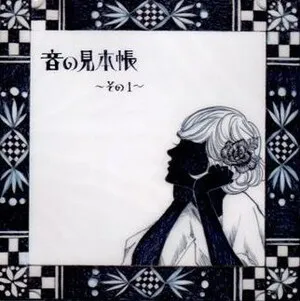
音の見本帳~その1~
January 3, 2019
Listen
1
/5
Genres
Musette
Musette is a Paris-born dance and popular music style centered on the accordion and characterized by lilting waltzes, lively polkas, and sentimental melodies. It emerged in the working-class dance halls (bal-musette) of late 19th- and early 20th-century Paris, where Auvergnat bagpipers and Italian accordionists fused rural dance forms with urban nightlife. Its signature sound comes from tremolo-rich “musette” accordion tuning, which creates a shimmering, slightly detuned chorus effect. The repertoire includes valse-musette (3/4), java, polka, and mazurka, often played at brisk tempos with an infectious, dancing pulse and emotive, nostalgic lyricism. At once convivial and romantic, musette became a pillar of French popular culture, later intersecting with chanson and jazz (notably via manouche/gypsy jazz), and remains a touchstone for accordion music worldwide.
Discover
Listen
Nursery Rhymes
Nursery rhymes are short, memorable songs or chants for young children, typically built around rhyme, repetition, and simple melodies. They often accompany fingerplays, clapping games, counting routines, or circle dances, and are designed to aid language acquisition, memory, coordination, and social play. While many texts are centuries old, the tunes and arrangements vary by region and era; common musical traits include major keys, limited vocal range, steady tempos, and easy call-and-response structures. Today, nursery rhymes live in books, classrooms, playgrounds, recordings, and digital videos, functioning both as cultural heritage and practical tools for early childhood development.
Discover
Listen
Min'yō
Min'yō refers to the diverse body of Japanese folk songs that arose from everyday life—work, festivals, travel, drinking gatherings, and lullabies—across regions of Japan. The songs are typically strophic, use local dialects, and often include onomatopoeic calls and interjections (kakegoe) such as “sore!” or “yoisho!” that energize group participation. Musically, min'yō commonly employs Japanese pentatonic scales—especially the anhemitonic yo scale and the hemitonic in-sen scale—with characteristic melismatic ornaments (kobushi), tight, bright vocal timbres, and flexible timing that respects ma (expressive space). Accompaniments are traditionally provided by shamisen, shinobue (transverse bamboo flute), shakuhachi, taiko and hand drums, and sometimes koto, with heterophonic textures rather than harmonic progressions. Stylistically, subtypes such as “-bushi” and “-ondo” reflect narrative vs. dance-oriented tendencies, respectively, with well-known regional examples like Soran-bushi (Hokkaidō), Tsugaru folk repertoire (Aomori), and Sado okesa (Niigata).
Discover
Listen
Similar albums
2007
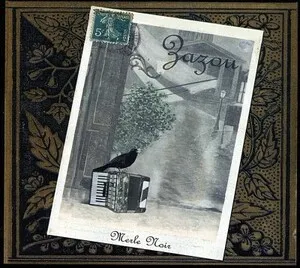
Merle Noir
Zazou
2017
Echoes of Japan (エコーズ・オブ・ジャパン)
Minyo Crusaders
1949
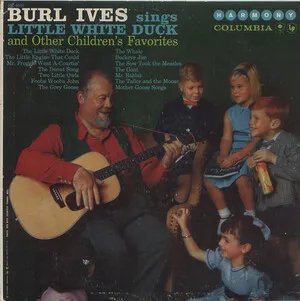
Sings Little White Duck and Other Children's Favorites
Burl Ives
2000
Hawaï
Java
2023
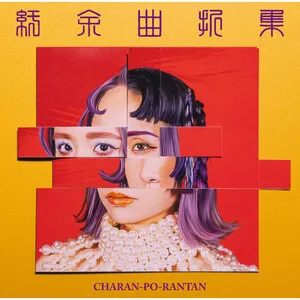
紆余曲折集
Charan-Po-Rantan チャラン・ポ・ランタン
2010
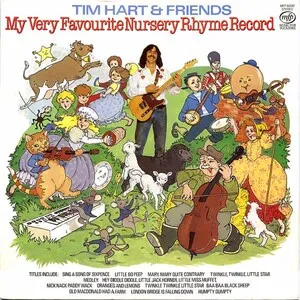
My Very Favourite Nursery Rhyme Record
Tim Hart
2009
Maudits Français
Java
2020
Tuplets for Toddlers
2015
Japanese Masterpieces for the Koto
Master Musicians of Ikuta-Ryu
1961
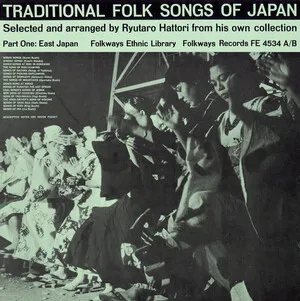
Traditional Folk Songs of Japan, Part One: East Japan
Download our mobile app
Get the Melodigging app and start digging for new genres on the go
Download on the App Store
Get it on Google Play
© 2026 Melodigging
Give feedback
Legal
Melodding was created as a tribute to
Every Noise at Once
, which inspired us to help curious minds keep digging into music's ever-evolving genres.