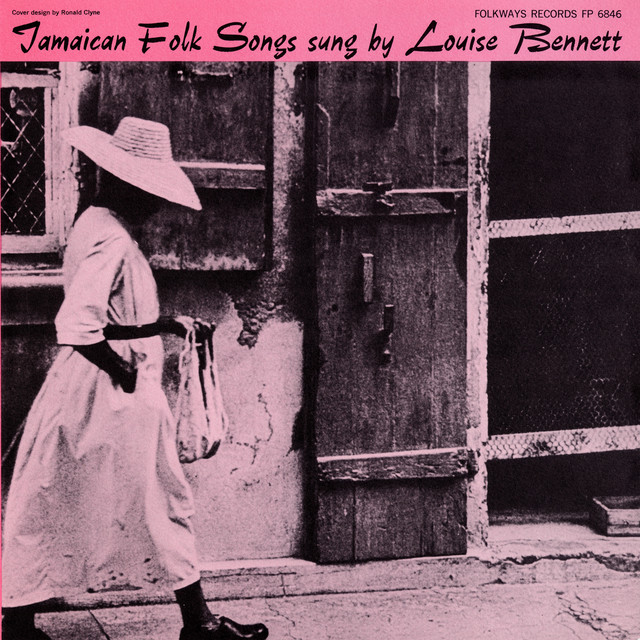
Caribbean folk music is the community-rooted, largely oral-tradition body of songs, dances, rhythms, and performance practices that formed through centuries of Afro‑Indigenous‑European encounter across the islands. It developed in work camps, plantations, fishing villages, ceremonial yards, and village fêtes, where call‑and‑response singing, polyrhythmic drumming, and dance served as both social glue and cultural memory.
The style is marked by hand drums and percussion (ka, barriles de bomba, panderos de plena, tambú, maracas/shak‑shak, ti bwa, bones, and later steelpan), strummed chordophones (guitar, cuatro, tres, banjo), and fife/violin or accordion in some locales. Rhythms often draw on clave, habanera/cinquillo cells, and 6/8–2/4 cross‑rhythms, while harmonies typically favor simple I–IV–V cycles that foreground storytelling in Creole, English, Spanish, and French. Songs accompany dance, carnival processions, rites, and everyday labor, yielding a music that is at once festive, satirical, devotional, and historical.