Russian folk music is the traditional music of the East Slavic peoples within historic Russia, shaped by pre-Christian ritual song, seasonal and work repertoires, and later by Orthodox-influenced spiritual folk song. It is characterized by open-throated group singing, rich heterophony (multiple voices ornamenting the same melody), drones, and modal melodies that gravitate toward natural minor (Aeolian), Dorian, and Mixolydian flavors.
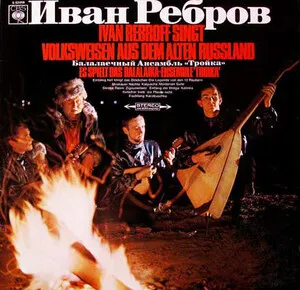
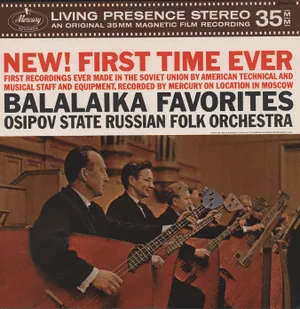
Typical instruments include the balalaika and domra (plucked lutes), gusli (psaltery/zither), garmon and bayan (button accordions), svirel (fipple flute), zhaleika (folk clarinet), and rhythmic idiophones like spoons and treshchotki. Dance and song forms such as khorovod (circle dance), barinya, kazachok, trepak, and the fast, witty chastushka couplet-song are central. The repertoire spans epic byliny (heroic ballads), lyrical laments, wedding songs, harvest and calendar songs, and narrative ballads, often performed in strophic form with call-and-response.
Across centuries, regional and multiethnic interactions in the Volga–Ural and border regions diversified the style’s scales, rhythms, and timbres. In the 20th century, staged folk choirs and orchestras codified a concert style that coexists with village-based traditions and contemporary folk-fusion scenes.