Genres
Artists
Albums
Make Music
Sign in
Sign in
Albums
By Patrick Doyle
Albums
By Patrick Doyle
Indochine
1992
Listen
Genres
Latin
Latin (as a genre label) is a broad umbrella used by the recording industry to categorize popular music rooted in Latin America, the Caribbean, and the Iberian world, often characterized by syncopated Afro-diasporic rhythms, dance-forward grooves, and lyrics primarily in Spanish or Portuguese. As a marketplace category that took shape in the mid-20th century United States, it gathers diverse traditions—Afro-Cuban, Brazilian, Mexican, and Caribbean styles—into a shared space. In practice, "Latin" spans everything from big-band mambo and bolero ballads to contemporary pop, rock, hip hop, and dance fusions produced by artists of Latin American heritage.
Discover
Listen
Rumba
Rumba is an Afro‑Cuban, percussion‑driven song‑and‑dance genre that arose in the port neighborhoods and solares of Havana and Matanzas. It features complex interlocking rhythms played on congas (tumbadora, segundo, quinto), claves, and palitos, with the quinto drum improvising over cyclical patterns. The music is built around the rumba clave (in 3‑2 or 2‑3 orientation), call‑and‑response vocals, and a lead singer who declaims verses followed by catchy coros. Three principal styles exist: yambú (slow, playful), guaguancó (medium, flirtatious, with the iconic "vacunao" gesture in the dance), and columbia (fast, virtuosic, traditionally for solo male dancers). Historically performed with cajones (wooden boxes) when drums were restricted, rumba is a secular, community practice whose poetry, dance, and rhythm encode Afro‑Cuban history and identity. It is distinct from ballroom "rhumba" and from Congolese rumba, both of which were influenced by Cuban music rather than being the same style.
Discover
Listen
Classical
Classical music is the notated art-music tradition of Europe and its global descendants, characterized by durable forms, carefully codified harmony and counterpoint, and a literate score-based practice. The term “classical” can refer broadly to the entire Western art-music lineage from the Medieval era to today, not just the Classical period (c. 1750s–1820s). It privileges long-form structures (such as symphonies, sonatas, concertos, masses, and operas), functional or modal harmony, thematic development, and timbral nuance across ensembles ranging from solo instruments to full orchestras and choirs. Across centuries, the style evolved from chant and modal polyphony to tonal harmony, and later to post-tonal idioms, while maintaining a shared emphasis on written notation, performance practice, and craft.
Discover
Listen
Similar albums
Hide discovered
1987
Gipsy Kings
Gipsy Kings
1991
Este Mundo
Gipsy Kings
2002
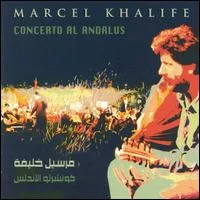
Concerto Al Andalus
Marcel Khalife
2018
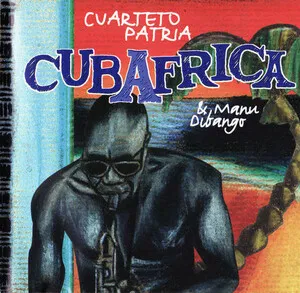
CubAfrica
Cuarteto Patria & Manu Dibango
1998
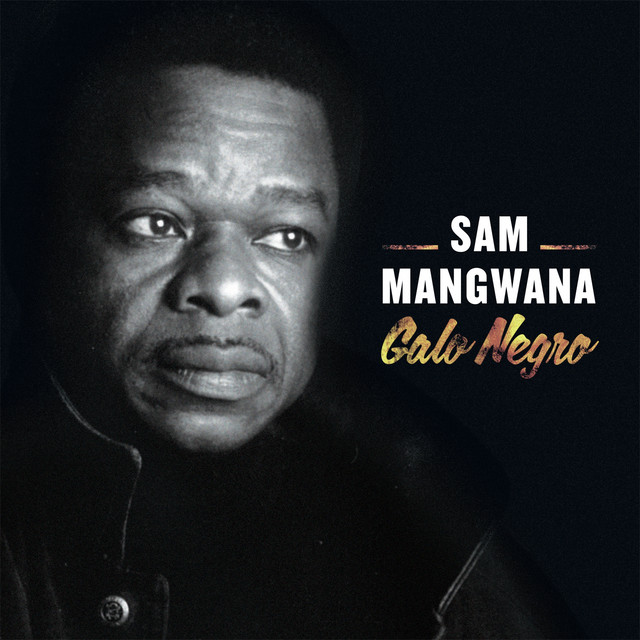
Galo Negro (2016 Remastered)
Sam Mangwana
1998
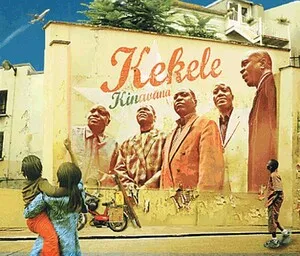
Kinavana
Kékélé
1972
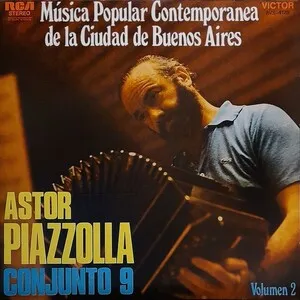
Música popular contemporánea de la ciudad de Buenos Aires, Vol. 2
Astor Piazzolla Conjunto 9
1996
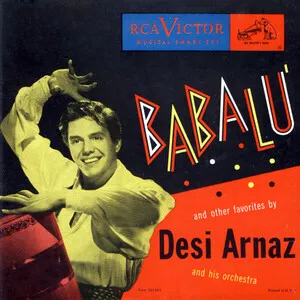
Babalu
Desi Arnaz
1997
A toda Cuba le gusta
Afro-Cuban All Stars
2018
Orquesta Akokán
Orquesta Akokán
Download our mobile app
Get the Melodigging app and start digging for new genres on the go
Download on the App Store
Get it on Google Play
© 2026 Melodigging
Give feedback
About & FAQ
Legal
Melodding was created as a tribute to
Every Noise at Once
, which inspired us to help curious minds keep digging into music's ever-evolving genres.