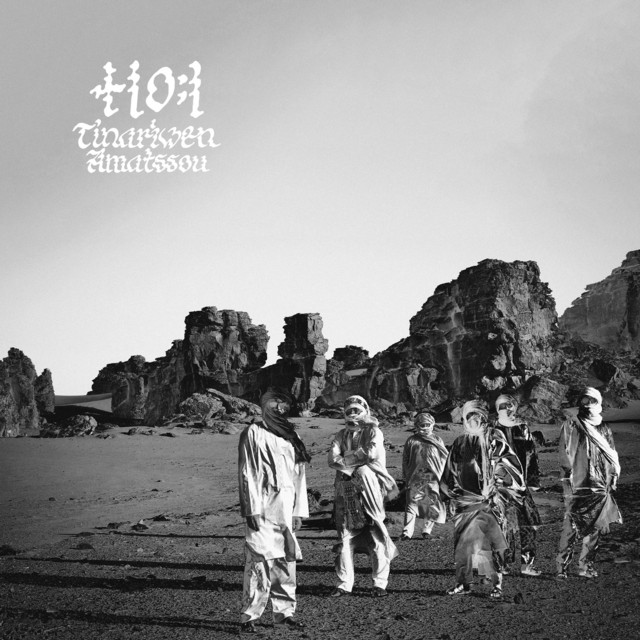
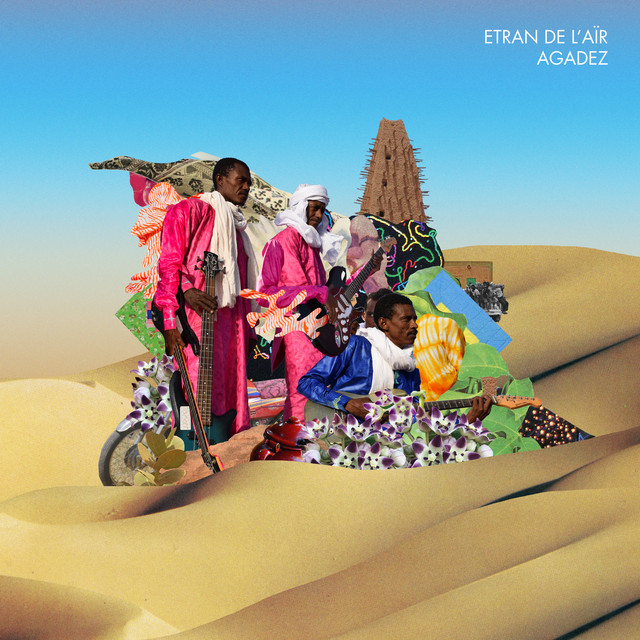
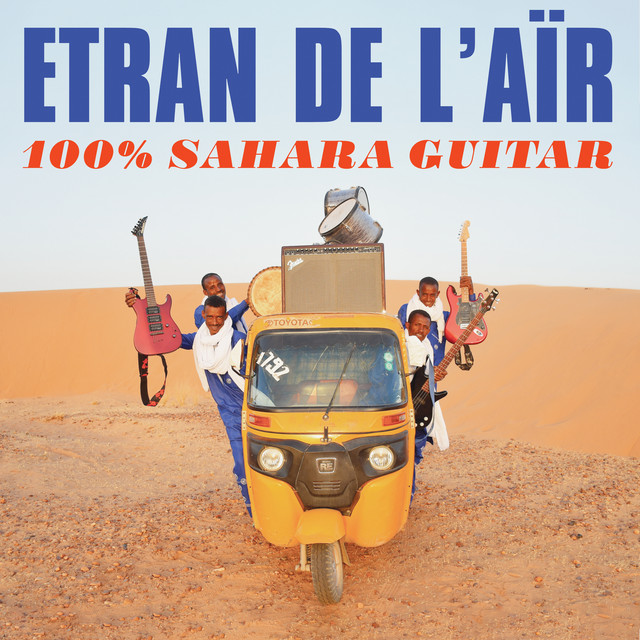
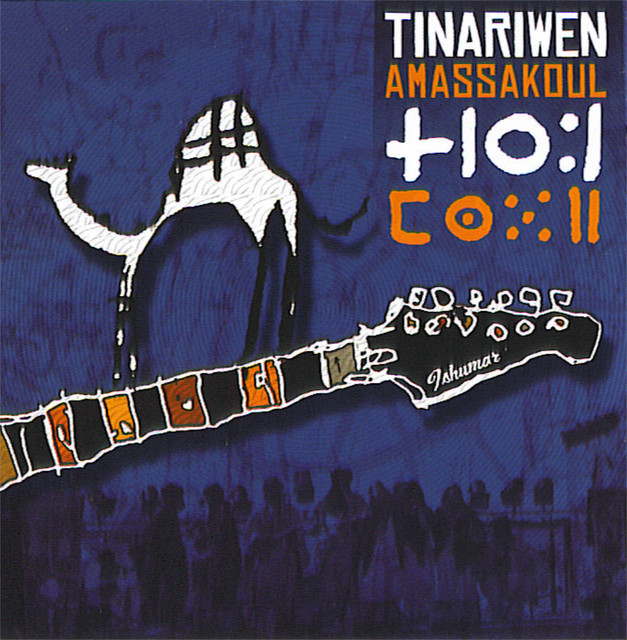
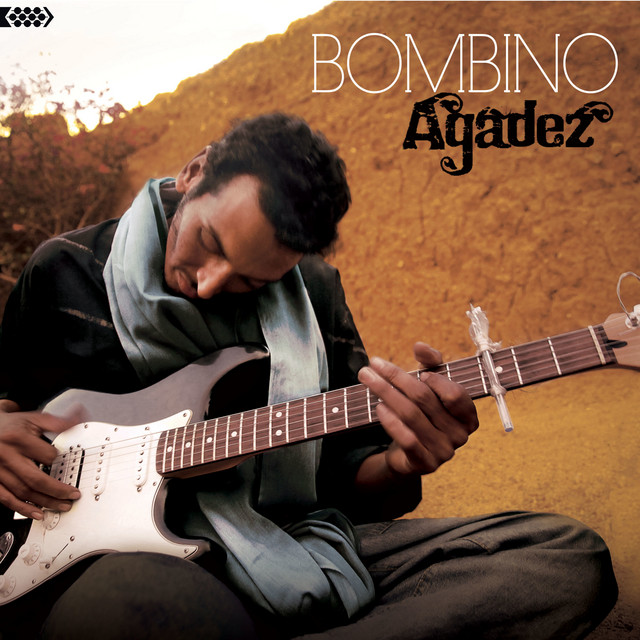
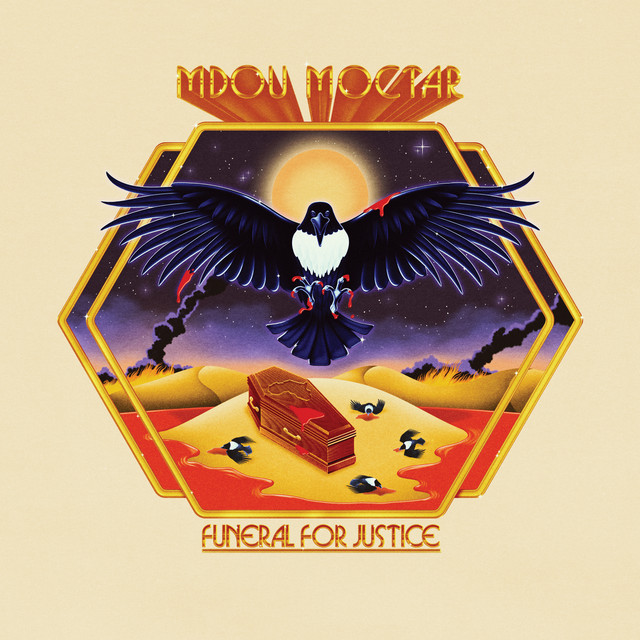
Amazigh music (also called Berber music) encompasses the diverse musical traditions of the Indigenous Amazigh peoples across the Maghreb and Sahara, especially in Morocco and Algeria, with extensions into Tunisia, Libya, Mali, and Niger.
It is characterized by cyclical, trance-inducing rhythms, antiphonal (call-and-response) vocals, poetic text forms (such as izlan and tamawayt), and a strong communal dimension expressed through participatory dances like ahidus (Middle/High Atlas) and ahouach (Souss/Anti-Atlas). Core timbres come from frame drums (bendir, tbel), handclaps, and plucked or bowed lutes—lotar and ribab in southern Morocco, imzad among Saharan Amazigh, and later the acoustic/electric guitar. Modal melodies often hover around narrow ambitus lines, with ornamented, melismatic singing; in Saharan (Tuareg/Tamasheq) areas, pentatonic figures and droning guitar ostinati are common.
While fundamentally an ancient folk tradition transmitted orally in Tamazight languages (Tachelhit, Tarifit, Central Atlas Tamazight, Kabyle, Tamasheq), modern Amazigh music spans acoustic poetry, electrified folk-pop, and desert blues, engaging urban idioms and studio production while maintaining its poetic, communal, and rhythmic core.