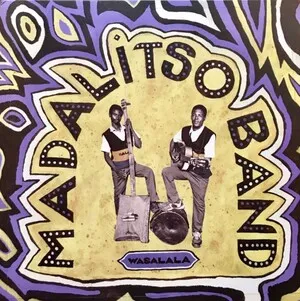
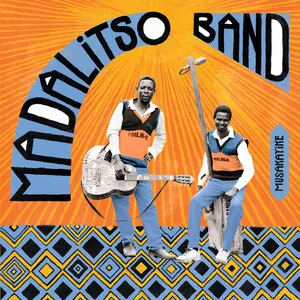
Southern African folk music is an umbrella for indigenous song, dance, and instrumental traditions found across countries such as South Africa, Zimbabwe, Mozambique, Botswana, Lesotho, Eswatini, and Namibia. It centers the human voice, community participation, and cyclical rhythms, with performance contexts ranging from daily work and praise poetry to rites of passage and communal celebrations.
Common features include call-and-response singing, handclaps and foot-stomps that articulate polyrhythms (often 3:2 and 12/8 feels), and harmonic textures built from parallel thirds, fourths, and rich choral bass lines. Instruments vary by people and locale: mbira/nyunga-nyunga (lamellophones), marimbas, musical bows (uhadi, umakhweyana), rattles (hosho), drums (ngoma), horns, and later pennywhistles and guitars. Lyrics blend storytelling, praise, social commentary, and spirituality, delivered in languages such as isiZulu, isiXhosa, Sesotho, Setswana, Shona, Tsonga, Ndebele, and others.
While deeply rooted in precolonial practices, the genre evolved through contact with mission hymnody and urbanization, giving rise to modern offshoots like isicathamiya, mbube, maskanda, mbaqanga, kwela, chimurenga, marrabenta, sungura, and Tsonga-derived dance forms. Its pulse and communal ethos continue to shape Southern Africa’s musical identity.