Genres
Make Music
Artists
Albums
Challenges
Sign in
Sign in
Albums
By Anonymous
Albums
By Anonymous
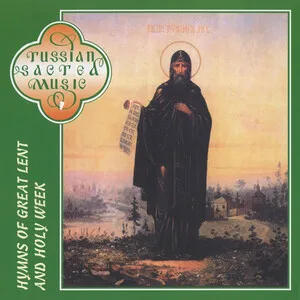
Hymns of Great Lent and Holy Week
October 4, 2011
Listen
1
/5
Genres
Russian Orthodox Liturgical Music
Russian Orthodox liturgical music is the a cappella chant and choral tradition of the Russian Orthodox Church, sung in Church Slavonic during services such as the Divine Liturgy, the All‑Night Vigil, and the Hours. It grew from medieval monophonic chant (especially Znamenny, but also Demestvenny and Put’) structured by the octoechos (eight-mode) system inherited from Byzantium. From the 17th century onward, polyphonic and later richly harmonized choral idioms developed alongside chant, creating a uniquely Slavic blend of ancient modal melody and Romantic choral sonority. Hallmarks include unaccompanied mixed or male choirs, free, text-driven rhythm, deep basses (oktavists), luminous chordal writing in later repertoire, and a reverent, prayerful tone that prioritizes clarity of the sacred text over display. Instruments are not used, in keeping with Orthodox canons.
Discover
Listen
Russian Music
Russian music refers to the broad body of folk, sacred, art, and popular music that developed in the lands of historical Rus' and the Russian state. It combines deep-rooted Slavic folk traditions, Orthodox liturgical chant, and European art-music practices absorbed and reimagined from the 18th century onward. Hallmarks include modal folk melodies, powerful choral sonorities (often with resonant basso profundo lines), bell-like tone colors, and an affinity for expansive, emotionally charged lyricism. Folk dances and songs—carried by instruments like balalaika, domra, gusli, and the bayan—coexist with a towering classical canon (from Glinka and Tchaikovsky to Shostakovich) and a rich 20th-century popular sphere (bard song, estrada, rock, and hip hop).
Discover
Listen
Hymns
Hymns are strophic, text-driven songs of praise, devotion, or instruction intended for congregational or communal singing, most closely associated with Christian worship. They typically use clear, memorable melodies, regular poetic meters, and straightforward harmonies so that large groups can sing together with ease. While the concept of a hymn as a sacred song predates Christianity (e.g., in Ancient Greek and Jewish traditions), Christian hymnody coalesced late in the 4th century with Ambrosian practice in Milan and then expanded through Latin and Greek liturgical cultures. Over time, hymn singing moved from monastic and cathedral settings into congregational life, especially after the Protestant Reformation, where metrical psalms and vernacular hymns became a defining feature of worship. Modern hymnody ranges from chant-like, modal melodies without accompaniment to robust, four-part chorale harmonizations with organ, and even contemporary arrangements that adapt classic hymn texts and tunes to newer popular styles.
Discover
Listen
Similar albums
1999
Basso Profondo From Old Russia
The Orthodox Singers Male Choir / Georgy Smirnov Георгий Смирнов
1999
Ancient Church Singing of Byzantine, Georgia and Rus Древнее богослужебное пение Византии, Грузии и Руси
Ensemble Sreteniye Ансамбль «Сретение»
2001
1000 Years: Selected Chants of Russian Orthodox Church
Monks Choir of Kiev Pechersk Monastery
1998
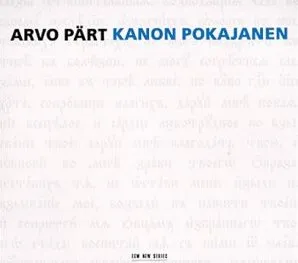
Kanon pokajanen
Arvo Pärt / Eesti Filharmoonia Kammerkoor / Tõnu Kaljuste
1995
Grande Liturgie Orthodoxe Slave
Chœur "Svetoslav Obretenov"
2006
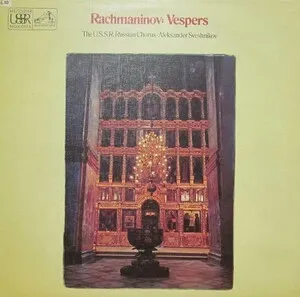
Vespers
Sergey Rakhmaninov Сергей Рахманинов / Sveshnikov State Academic Russian Choir…
1999
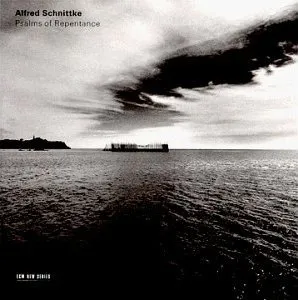
Psalms of Repentance
Alfred Schnittke Альфред Шнитке / Radiokören / Tõnu Kaljuste
2012
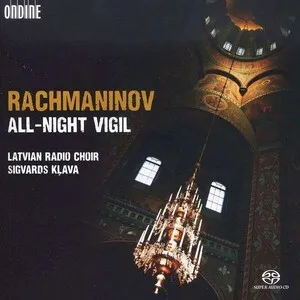
All-Night Vigil
Sergey Rakhmaninov Сергей Рахманинов / Latvijas Radio koris / Sigvards Kļava
2016
Vespers, Op. 37
Sergey Rakhmaninov Сергей Рахманинов / USSR Ministry of Culture Chamber Choir Г…
2002
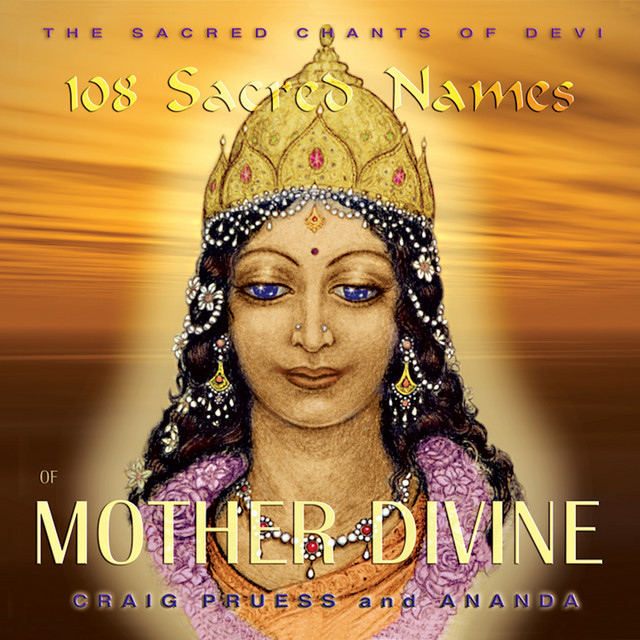
108 Sacred Names of Mother Divine: Sacred Chants of Devi
Craig Pruess & Ananda
Download our mobile app
Get the Melodigging app and start digging for new genres on the go
Download on the App Store
Get it on Google Play
© 2026 Melodigging
Give feedback
Legal
Melodding was created as a tribute to
Every Noise at Once
, which inspired us to help curious minds keep digging into music's ever-evolving genres.