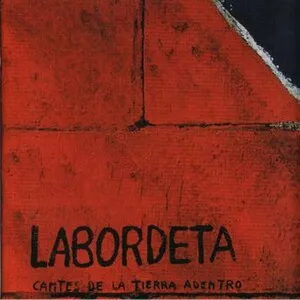
Aragonese folk music is the traditional music of Aragón, a region in northeastern Spain, best known for its vigorous jota but also rich in serenades (rondas), dawn songs (albadas), and Pyrenean pipe-and-psaltery tunes. It blends rural dance rhythms, narrative song forms, and a distinctive, full-throated vocal style.
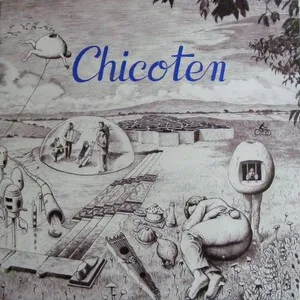
Typical instruments include the gaita de boto (Aragonese bagpipe), dulzaina (shawm), the chiflo (three‑hole pipe) paired with chicotén (psaltery), guitar family instruments (guitar, bandurria, laúd), diatonic accordion, tamboril/bombo, and castanets used by dancers. Melodies are mainly diatonic (often in major or mixolydian), with energetic hemiolas in the jota and lyrical coplas that celebrate love, village life, seasonal cycles, and regional pride—often sung in Spanish and, in some areas, in the Aragonese language.
While the jota aragonesa became a national emblem in the 18th and 19th centuries, local repertoires from the Pyrenees to the Ebro valley preserve diverse meters (3/4, 3/8, 2/4) and forms. Contemporary artists continue to revitalize this heritage, fusing it with jazz, chanson, and folk-rock while keeping its dance and community roots central.