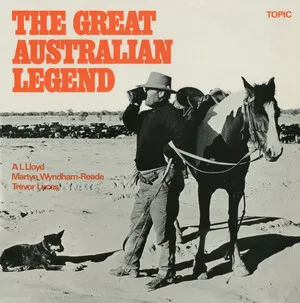
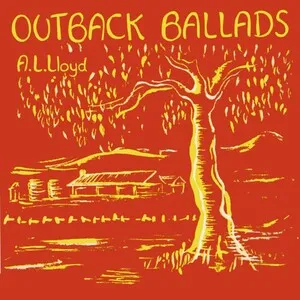
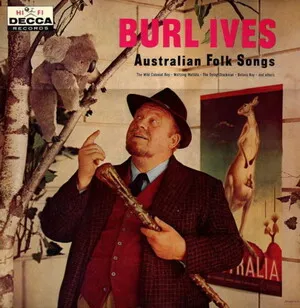
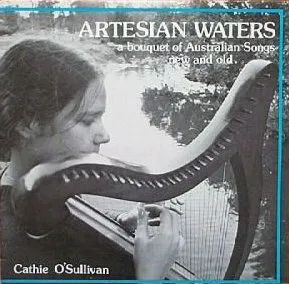
Australian folk music refers to the body of traditional and revivalist songs, tunes, and dance music that took shape in Australia from the early 19th century onward. It blends Anglo‑Celtic ballad and dance traditions brought by convicts, settlers, and gold‑rush migrants with themes, landscapes, and vernacular distinctive to life in the Australian bush.
Its core repertoire includes bush ballads and working songs about shearers, drovers, miners, sailors, swagmen, and outlaws, often sung in a plain, communal style with strong choruses. Typical instruments include fiddle, button accordion, tin whistle, concertina, banjo, guitar, harmonica, lagerphone, bones, and spoons, with rhythms drawn from polkas, waltzes, schottisches, mazurkas, and hornpipes.
Over time, the tradition has interacted with First Nations (Aboriginal and Torres Strait Islander) music and storytelling, and it has informed modern singer‑songwriters and folk‑rock acts. The result is a repertoire that is at once local in imagery and language yet recognizably part of the wider British and Irish folk family.