Genres
Artists
Albums
Make Music
Sign in
Sign in
Albums
By Erik Satie
Albums
By Erik Satie
Guillaume Apollinaire
1987
Listen
Genres
Poetry
Poetry (as a recorded genre) centers on the spoken or performed recitation of verse, foregrounding voice, diction, rhythm, and imagery over conventional song structure. Performances may be entirely unaccompanied or framed by sparse accompaniment such as piano, strings, jazz combos, drones, or subtle sound design. Unlike broader spoken word, which can include storytelling, monologues, and comedy, poetry recordings focus on literary verse—metered, rhymed, or free—delivered with attention to prosody and poetic form. Releases range from archival readings by canonical poets to contemporary performance sets recorded in studios, classrooms, libraries, and clubs. The listening experience often emphasizes intimacy and textual clarity: microphones capture breath, cadence, and silence, while arrangements (if any) remain secondary to the poem’s language and pacing.
Discover
Listen
Non-Music
Non-music is an umbrella category for recorded audio whose primary purpose is not musical performance. It encompasses spoken word, speeches, interviews, poetry readings, comedy, audio documentaries, instructional recordings, field recordings, sound effects, and other forms of organized sound meant to inform, narrate, document, or entertain without relying on melody or conventional song structure. Rather than emphasizing harmony, rhythm, and instrumentation, non-music foregrounds voice, text, ambient sound, narrative flow, informational content, and sonic texture. Its aesthetics range from raw, unedited actuality to highly produced studio works, and its scope spans archival preservation, education, performance art, and mass entertainment.
Discover
Listen
Classical
Classical music is the notated art-music tradition of Europe and its global descendants, characterized by durable forms, carefully codified harmony and counterpoint, and a literate score-based practice. The term “classical” can refer broadly to the entire Western art-music lineage from the Medieval era to today, not just the Classical period (c. 1750s–1820s). It privileges long-form structures (such as symphonies, sonatas, concertos, masses, and operas), functional or modal harmony, thematic development, and timbral nuance across ensembles ranging from solo instruments to full orchestras and choirs. Across centuries, the style evolved from chant and modal polyphony to tonal harmony, and later to post-tonal idioms, while maintaining a shared emphasis on written notation, performance practice, and craft.
Discover
Listen
Similar albums
Hide discovered
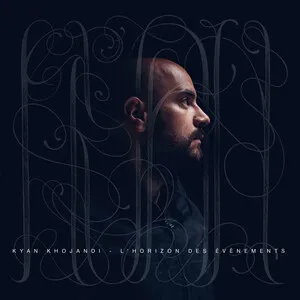
2021
L'horizon des évènements
Kyan Khojandi
2006
The Dusty Foot Philosopher
K’naan
2022
sanah śpiewa Poezyje
sanah
2010
Le Condamné à mort
Étienne Daho & Jeanne Moreau
1961
The Lure of the Grand Canyon
Johnny Cash
1983
Gorky Park
James Horner
1989
El Atlal
Om Kalsoum
2018
Le Devin du Village
Jean‐Jacques Rousseau
2002
Gretry: Richard Cœur de Lion / Rousseau: Le Devin du village
André-Ernest-Modeste Grétry, Jean‐Jacques Rousseau; Mady Mesplé, Charles Burles…
1963
Symphony No. 5 in C minor, op. 67
Beethoven; New York Philharmonic, Leonard Bernstein
Download our mobile app
Get the Melodigging app and start digging for new genres on the go
Download on the App Store
Get it on Google Play
© 2026 Melodigging
Give feedback
About & FAQ
Legal
Melodding was created as a tribute to
Every Noise at Once
, which inspired us to help curious minds keep digging into music's ever-evolving genres.