Genres
Make Music
Artists
Albums
Challenges
Sign in
Sign in
Albums
By Grupo Jejeje
Albums
By Grupo Jejeje
Grupo Jejeje
May 3, 2019
Listen
2
/5
Genres
Digital Cumbia
Digital cumbia (often called nu cumbia) is a contemporary, electronically produced reinterpretation of traditional cumbia from Colombia and its many regional offshoots across Latin America. Producers sample or re-record classic cumbia elements—guacharaca scrapes, accordion riffs, woodwinds, and tumbao-style basslines—and set them against modern electronic frameworks such as downtempo, house, hip hop, dub, and dancehall. The result is a mid‑tempo, bass-forward sound (typically around 85–110 BPM) that balances folkloric groove with club-ready synthesis, creative sampling, and spacious dub effects. The scene first cohered in Buenos Aires club nights and netlabels before spreading across Latin America and diasporic hubs, becoming a key pillar of the broader “global bass” movement. Its aesthetics often embrace psychedelic textures, Andean timbres, and sound design techniques that feel both earthy and futuristic.
Discover
Listen
Cumbia Sonidera
Cumbia sonidera is a Mexican urban style of cumbia shaped by the neighborhood sound-system (sonidero) culture of Mexico City and Puebla. It features mid-tempo grooves, prominent electronic keyboards or accordion doubling the melody, punchy bass lines, güiro and timbales/congas, and heavy use of echo, reverb, and DJ shout-outs (saludos y dedicatorias). Built for social dancing and open-air parties, the style blends Colombian cumbia roots with Mexican popular and grupera sensibilities. Its signature is not only musical—it's the live performance practice: extended mixes, segues between tracks, and a charismatic MC steering the dance floor with dedications, drops, and dub-style effects.
Discover
Listen
Cumbia Mexicana
Cumbia mexicana is the Mexican adaptation of Colombian cumbia, reshaped by local tropical orchestras, border accordion traditions, and urban DJ (sonidero) culture. It typically features a steady 2/4 cumbia groove, melodic accordion or organ riffs, bright brass lines, and romantic or festive lyrics. Over time it diversified into regional styles such as cumbia sonidera (Mexico City), cumbia norteña (northern Mexico with accordion-driven arrangements), and the slowed-down cumbia rebajada (Monterrey DJ culture), while also crossing over into grupera and banda contexts. Today it is a cornerstone of Mexico’s popular dance music, equally at home in neighborhood parties, massive sonidero sound-system dances, and pop collaborations.
Discover
Listen
Latin
Latin (as a genre label) is a broad umbrella used by the recording industry to categorize popular music rooted in Latin America, the Caribbean, and the Iberian world, often characterized by syncopated Afro-diasporic rhythms, dance-forward grooves, and lyrics primarily in Spanish or Portuguese. As a marketplace category that took shape in the mid-20th century United States, it gathers diverse traditions—Afro-Cuban, Brazilian, Mexican, and Caribbean styles—into a shared space. In practice, "Latin" spans everything from big-band mambo and bolero ballads to contemporary pop, rock, hip hop, and dance fusions produced by artists of Latin American heritage.
Discover
Listen
Cumbia
Cumbia is a syncretic dance-music tradition from Colombia’s Caribbean coast that blends African rhythmic heritage, Indigenous (especially gaita flute) melodic practice, and Spanish colonial instrumentation and forms. Traditionally performed in a moderate 2/4 (often felt in 4/4 today), it features interlocking hand-drum parts (tambora, alegre, llamador), guacharaca or maracas for steady texture, and long cane flutes (gaita hembra and gaita macho) carrying call-and-response melodies. As it spread in the 20th century, orchestras and dance bands added accordion, horns, piano, bass, and later electric guitar and synthesizers, creating urban and pan–Latin American variants. Harmonically simple and rhythm-forward, cumbia places groove, ostinati, and vocal refrains at the center, making it both ceremonial in origin and enduringly popular on social dance floors across the Americas.
Discover
Listen
Similar albums
2009
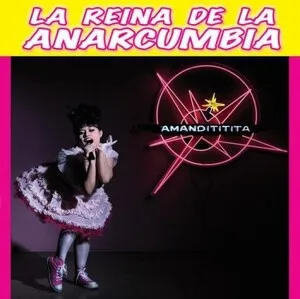
La reina de la anarcumbia
Amandititita
2023
Kumbiatitlán
Amantes del Futuro
2020
Grupo Jejeje (Rebajadas por Sonido Dueñez)
Grupo Jejeje
2019
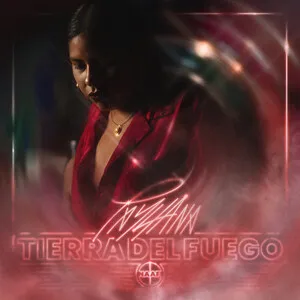
Tierra del fuego
TAYHANA
2019
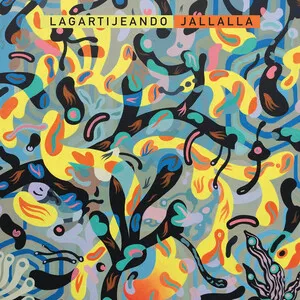
Jallalla
Lagartijeando
1999
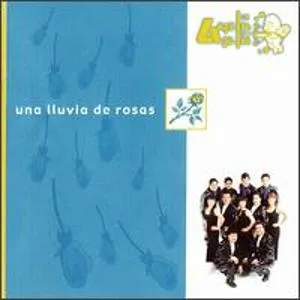
Una lluvia de rosas
Los Ángeles Azules
1994
Entrega de amor
Los Ángeles Azules
2020
Tus Mentiras
Grupo Cumbia Nova
2002
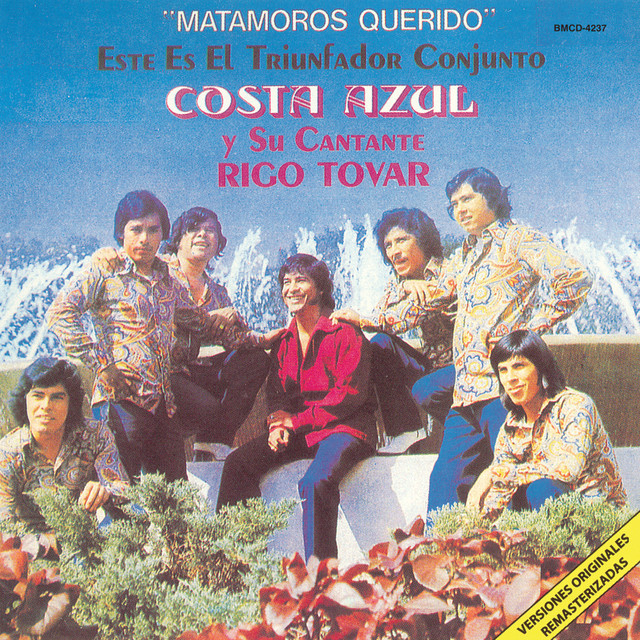
Matamoros querido
Rigo Tovar y su Conjunto Costa Azul
2018
No Me Llames Mas
Alcalde La Sonora
Download our mobile app
Get the Melodigging app and start digging for new genres on the go
Download on the App Store
Get it on Google Play
© 2026 Melodigging
Give feedback
Legal
Melodding was created as a tribute to
Every Noise at Once
, which inspired us to help curious minds keep digging into music's ever-evolving genres.