Genres
Make Music
Artists
Albums
Challenges
Sign in
Sign in
Albums
By Gram Parsons
Albums
By Gram Parsons
Grievous Angel
1974
Listen
3
/5
Genres
Cosmic Country
Cosmic country blends classic country songwriting with psychedelic textures, spacious production, and a subtly jam-oriented approach. It keeps the twang of pedal steel, Telecaster leads, and two-step rhythms, but bathes them in tape echo, plate reverb, and occasionally gentle synths or swirling organs. The style’s “cosmic” quality comes from its dreamy, contemplative mood and lyrical focus on travel, transcendence, the open road, and big-sky spirituality. It feels warm and analog, favoring live-band interplay, extended instrumental passages, and harmonies that blur the line between honky-tonk earthiness and starry-eyed psychedelia.
Discover
Listen
Progressive Country
Progressive country is a roots-oriented country movement that emerged as a reaction to the polished Nashville sound, blending honky-tonk, folk singer-songwriter craft, and rock attitude. It champions authenticity, literate storytelling, and live, unvarnished production. Centered largely in Austin, Texas, the style embraces rock backbeats and blues inflections alongside pedal steel, fiddle, and acoustic guitars. It often carries a countercultural spirit—open to psychedelic touches, extended jams, and broader lyrical themes—yet remains firmly rooted in country song forms and twang.
Discover
Listen
Country Rock
Country rock is a hybrid of country music’s storytelling, twang, and acoustic textures with rock’s backbeat, amplification, and song structures. It typically features electric and acoustic guitars, pedal steel, close vocal harmonies, and a steady 4/4 groove, while lyrics focus on roads, small towns, heartbreak, and everyday American life. The sound ranges from jangly and rootsy to polished and radio-friendly, bridging bar-band energy with country elegance and shaping the template for later Americana and heartland styles.
Discover
Listen
Laurel Canyon Scene
The Laurel Canyon scene is a late‑1960s to early‑1970s Los Angeles musical movement centered around the hillside neighborhood of Laurel Canyon. Its sound blends folk’s acoustic intimacy with the rich harmonies and amplified jangle of rock, plus a mellow West Coast ease. Hallmarks include confessional, literate songwriting; stacked vocal harmonies; 12‑string electric shimmer; piano‑led balladry; light, swinging rhythms; and country‑tinged textures like pedal steel. The scene was as much a creative community as a sound—artists lived, wrote, and jammed together, cross‑pollinating ideas that shaped mainstream pop, soft rock, and singer‑songwriter music for decades. Culturally, it captured California’s post‑Beat, post‑Summer‑of‑Love sensibility: introspective yet sun‑washed, communal yet professionally polished, idealistic but tempered by adult realism.
Discover
Listen
Rock
Rock is a broad family of popular music centered on amplified instruments, a strong backbeat, and song forms that foreground riffs, choruses, and anthemic hooks. Emerging from mid‑20th‑century American styles like rhythm & blues, country, and gospel-inflected rock and roll, rock quickly expanded in scope—absorbing folk, blues, and psychedelic ideas—while shaping global youth culture. Core sonic markers include electric guitar (often overdriven), electric bass, drum kit emphasizing beats 2 and 4, and emotive lead vocals. Rock songs commonly use verse–chorus structures, blues-derived harmony, and memorable melodic motifs, ranging from intimate ballads to high‑energy, stadium‑sized performances.
Discover
Listen
Country
Country is a roots-based popular music from the rural American South that blends Anglo-Celtic ballad traditions with African American blues, gospel, and string-band dance music. It is characterized by narrative songwriting, plainspoken vocals with regional twang, and a palette of acoustic and electric instruments such as acoustic guitar, fiddle, banjo, pedal steel, and telecaster guitar. Rhythmically it favors two-step feels, train beats, shuffles, and waltzes, while harmony is largely diatonic (I–IV–V) with occasional country chromaticism and secondary dominants. Across a century, country has evolved through substyles like honky-tonk, the Nashville and Bakersfield sounds, outlaw country, neotraditionalist revivals, pop-country, and country-rap hybrids, but it consistently prioritizes storytelling about everyday life, love, work, faith, place, and identity.
Discover
Listen
Similar albums
1969
The Gilded Palace of Sin
The Flying Burrito Bros
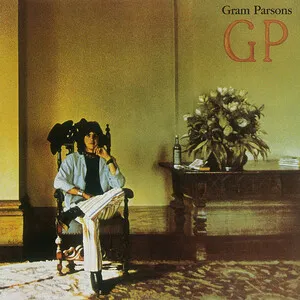
1973
GP
Gram Parsons
2014
Metamodern Sounds in Country Music
Sturgill Simpson
1973
¡Viva Terlingua!
Jerry Jeff Walker
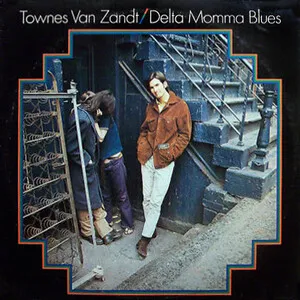
1971
Delta Momma Blues
Townes Van Zandt
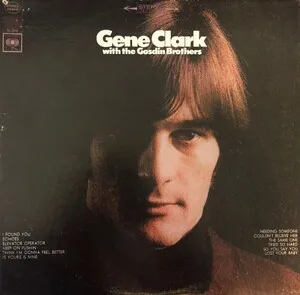
1967
Gene Clark With The Gosdin Brothers
Gene Clark & The Gosdin Brothers
1974
No Other
Gene Clark
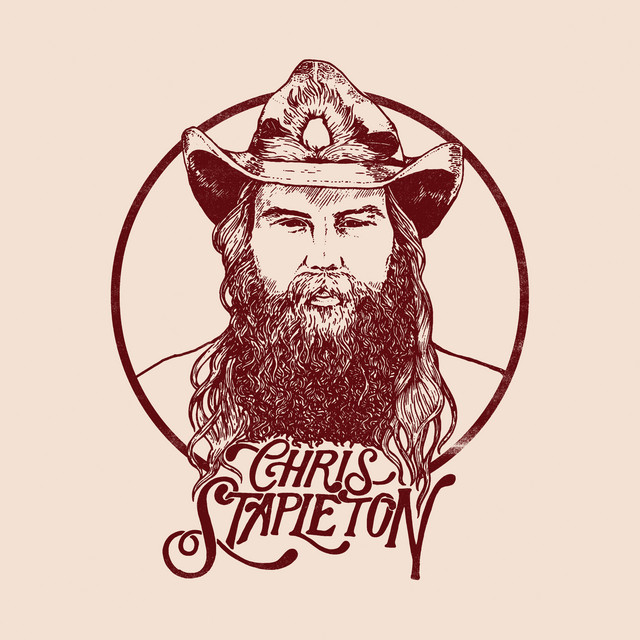
2017
From A Room: Volume 1
Chris Stapleton
1978
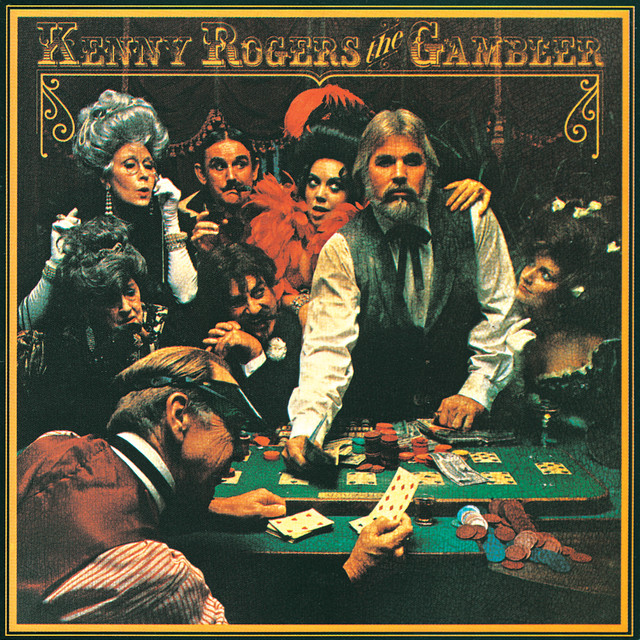
The Gambler
Kenny Rogers
2002
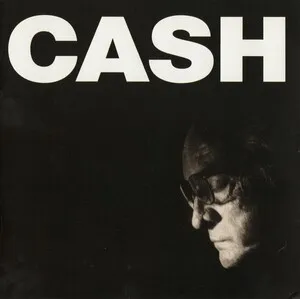
American IV: The Man Comes Around
Johnny Cash
Download our mobile app
Get the Melodigging app and start digging for new genres on the go
Download on the App Store
Get it on Google Play
© 2026 Melodigging
Give feedback
Legal
Melodding was created as a tribute to
Every Noise at Once
, which inspired us to help curious minds keep digging into music's ever-evolving genres.