Genres
Make Music
Artists
Albums
Challenges
Sign in
Sign in
Albums
By Manos Hadjidakis
Albums
By Manos Hadjidakis
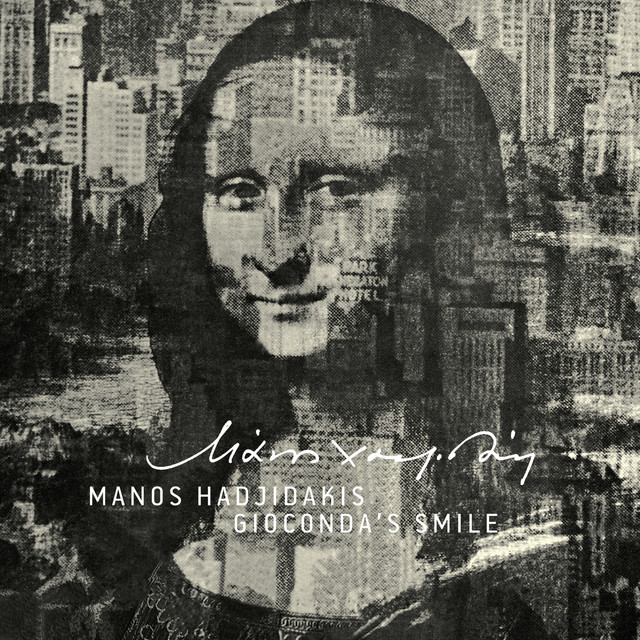
Gioconda's Smile Το χαμόγελο της Τζοκόντας
November 27, 2015
Listen
2
/5
Genres
Neo Kyma
Neo kyma (Greek: Νέο Κύμα, literally "new wave") is a Greek song movement of the 1960s that blended the intimacy of French chanson with the poetic, art-song sensibility of Greek éntechno. It flourished in small Athenian boîtes (club-cafés) in Plaka, where singers performed with just a guitar or sparse ensembles. Musically, it favors soft, close-miked vocals, nylon‑string guitar, delicate piano, and light rhythm, often borrowing bossa nova and light jazz harmonies. Lyrically it is introspective and poetic—concerned with love, summer melancholy, city life, and youth—delivered with understated warmth and subtle drama.
Discover
Listen
Greek Music
Greek music is a broad umbrella for the musical traditions and popular styles of Greece, spanning from ancient theoretical lineages to contemporary pop, rock, and urban fusions. It is characterized by modal melodies (dromoi) that relate to the Eastern maqam/Byzantine echoi systems, richly ornamented vocals, and distinctive asymmetric dance meters such as 7/8, 9/8, and 5/8. Signature instruments include the bouzouki and baglamas in urban styles, as well as violin, clarinet, laouto (lute), santouri (hammered dulcimer), and various regional folk instruments. Across the 20th century, Greek music moved from the Smyrna/Constantinople café-aman and rebetiko idioms to laiko, entechno (art song), and modern laiko, while parallel folk traditions (dimotika) continued to thrive. Contemporary Greek music blends these roots with Western pop and rock forms, often preserving Greek-language lyrics and dance-oriented rhythms.
Discover
Listen
Balkan Music
Balkan music is a broad umbrella for the traditional and popular musics of the Balkan Peninsula, characterized by asymmetrical (aksak) meters, modal melodies, and richly ornamented, often heterophonic ensemble textures. Typical instruments include gaida (bagpipe), kaval and zurla/zurna (flutes/oboes), tapan (large double-headed drum), tambura (long-necked lute), violin, clarinet, and—especially in brass traditions—trumpet, tuba, and baritone horn. Vocal styles range from raw, open-throated village singing to refined urban romances such as sevdalinka. The melodic language often draws on Ottoman/Turkic maqam and Byzantine liturgical modalities (e.g., Hijaz/Phrygian-dominant flavors), with microtonal inflections and copious ornamentation. Dances like kolo, oro, horo, and čoček are central, and songs frequently address love, weddings, migration, and local heroism.
Discover
Listen
Similar albums
1985
Zesta Pota Ζεστά Ποτά
Haris & Panos Katsimihas Χάρης και Πάνος Κατσιμίχας
2007
O Stavros tou Notou Ο Σταυρός του Νότου
Thanos Mikroutsikos Θάνος Μικρούτσικος & Nikos Kavvadias Νίκος Καββαδίας
2000
Vrachnos prophitis Βραχνός προφήτης
Thanasis Papakonstantinou Θανάσης Παπακωνσταντίνου
2019
Tous des oiseaux
Eleni Karaindrou
1966
Fortigo Φορτηγό
Dionysis Savvopoulos Διονύσης Σαββόπουλος
2014
riza
Villagers of Ioannina City
2002
Agrypnia Αγρύπνια
Thanasis Papakonstantinou Θανάσης Παπακωνσταντίνου
2013
Psychostasia
Daemonia Nymphe Δαιμόνια Νύμφη
2007
O megalos erotikos Ο μεγάλος ερωτικός
Manos Hadjidakis Μάνος Χατζιδάκις
1964
Το Άξιον Εστί
Mikis Theodorakis Μίκης Θεοδωράκης & Odysseas Elytis Οδυσσέας Ελύτης
Download our mobile app
Get the Melodigging app and start digging for new genres on the go
Download on the App Store
Get it on Google Play
© 2026 Melodigging
Give feedback
Legal
Melodding was created as a tribute to
Every Noise at Once
, which inspired us to help curious minds keep digging into music's ever-evolving genres.