Genres
Make Music
Artists
Albums
Challenges
Sign in
Sign in
Albums
By Kyoto Imperial Court Music Orchestra
Albums
By Kyoto Imperial Court Music Orchestra
Gagaku: The Imperial Court Music of Japan
1991
Listen
1
/5
Genres
East Asian Classical Music
East Asian classical music refers to the interconnected courtly, ritual, and elite art-music traditions of China, Korea, Japan, and (historically) Vietnam that share a deep lineage in classical Chinese musical thought and repertory. At its core are Confucian ceremonial aesthetics, pentatonic modal systems, heterophonic ensemble textures, and codified repertoires transmitted through court institutions, temples, and literati circles. Signature sound worlds include China’s refined guqin and yayue court ensembles, Japan’s stately gagaku and Buddhist shōmyō chant, Korea’s aak (Confucian ritual), hyangak/dangak, and jeongak (court and aristocratic music), and Vietnam’s nhã nhạc (Huế court music). The result is a family of traditions marked by timbral subtlety (e.g., sho chord clusters, hichiriki reeds, silk-string zithers), flexible but ceremonially structured rhythm, and modal nuance—often conveying grandeur, contemplation, and ritual solemnity.
Discover
Listen
Gagaku
Gagaku is the ancient court music of Japan, performed for imperial and Shinto ceremonial contexts. It is characterized by a stately, breath-based flow; shimmering sustained chords from the shō (mouth organ); penetrating, ornamented melodies on hichiriki (double-reed) and ryūteki (transverse flute); and delicately patterned percussion. The ensemble typically includes winds (shō, hichiriki, ryūteki/komabue/kagurabue), strings (gaku-biwa, gakusō/koto, wagon), and percussion (shōkō, kakko, taiko, dadaiko). Textures are largely heterophonic, modes derive from the ryo and ritsu systems, and pieces unfold in the jo–ha–kyū arc from introduction through development to swift close. Many works accompany bugaku (court dance), while vocal repertoires such as saibara and rōei present courtly song traditions.
Discover
Listen
Japanese Music
Japanese music is a broad umbrella that spans ancient court and religious traditions, regional folk repertoires, and a vast spectrum of modern popular and experimental styles. Its aesthetic is often defined by timbral nuance, the expressive use of silence (ma), flexible rhythm, and modal pitch collections distinct from common-practice Western harmony. Core traditional streams include gagaku (imperial court music), shōmyō (Buddhist chant), noh and kabuki theater music (e.g., nagauta), and min'yō (folk song). Instruments such as the koto, shamisen, shakuhachi, biwa, and various taiko drums shape its signature sound. Since the Meiji period, Western classical, band, jazz, rock, electronic, and hip-hop idioms have been localized into uniquely Japanese forms—from kayōkyoku and enka to city pop, J-pop, Vocaloid, and game/anime music.
Discover
Listen
Similar albums
2013
Gagaku: Ancient Japanese Court Music
Nippon Gagaku Kai
1986
Gagaku: Court Music of Japan
Tokyo Gakuso 東京楽所
1977
Japan: Shakuhachi - The Japanese Flute
Kohachiro Miyata
1990
Japan: Traditional Vocal & Instrumental Music
Kengyo Mitsuzaki 光崎検校 / Kōtō Minezaki 峰崎勾当
1976
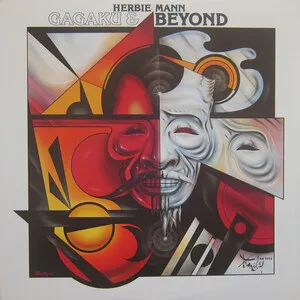
Gagaku and Beyond
Herbie Mann
1991
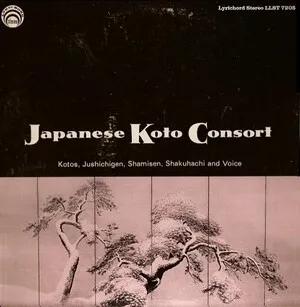
Japanese Koto Consort: Kotos, Jushichigen, Shamisen, Shakuhachi and Voice
Master Musicians of the Ikuta School
2017
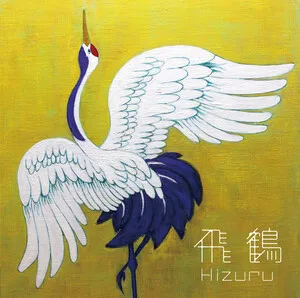
飛鶴 -Hizuru-
Hizuru
1991
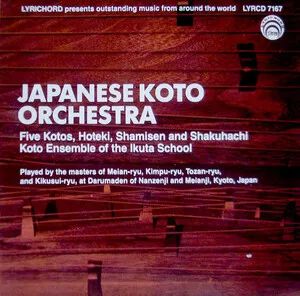
Japanese Koto Orchestra
Tsuyoshi Sakamoto 坂本毅 / Koto Ensemble of the Ikuta School
1996
Japan: Kabuki & Other Traditional Music
Ensemble Nipponia
2000
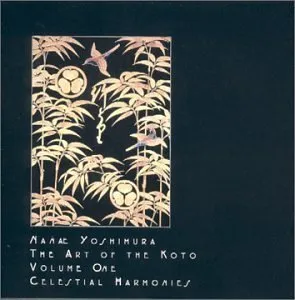
The Art of the Koto, Volume One
Yatsuhashi Kengyo 八橋検校 / Nanae Yoshimura 吉村七重
Download our mobile app
Get the Melodigging app and start digging for new genres on the go
Download on the App Store
Get it on Google Play
© 2026 Melodigging
Give feedback
Legal
Melodding was created as a tribute to
Every Noise at Once
, which inspired us to help curious minds keep digging into music's ever-evolving genres.