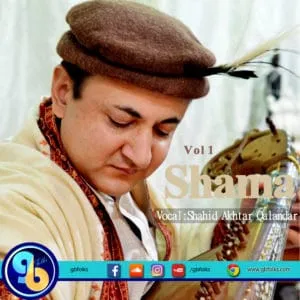
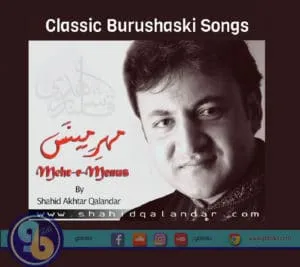
Burushaski folk music is the traditional music of the Burusho (Burushaski-speaking) communities of Hunza, Nagar, and Yasin in the high valleys of Gilgit–Baltistan, northern Pakistan. It is a largely oral, community-based tradition whose songs mark the rhythm of everyday life—weddings, harvests, seasonal migrations, lullabies, heroic ballads, and devotional gatherings.
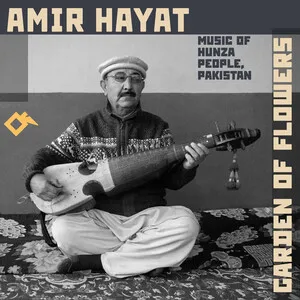
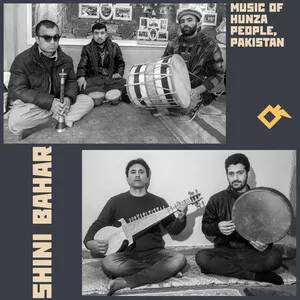
Musically, it favors modal melodies carried by solo voice or small choruses over a sustained drone, supported by earthy percussion and piercing ceremonial winds. Common instruments include the rubab (lute), dhol/daman (double-headed drum), daf (frame drum), surnai (shawm), bamboo flutes (e.g., bansuri), and the jaw harp (chang). Texts are in Burushaski, with poetic images of mountains, rivers, orchards, and kinship ties, and with devotional poetry reflecting the region’s Islamic (predominantly Ismaili) heritage.
Compared with lowland South Asian styles, the sound is lean, open, and heterophonic: multiple voices or instruments ornament the same tune with slight variations. Dances at weddings and festivals often use steady duple or compound-duple rhythms, while narrative and pastoral songs flow with freer, speech-like rhythm.