Genres
Artists
Albums
Make Music
Sign in
Sign in
Albums
By Yann Tiersen
Albums
By Yann Tiersen
EUSA
September 30, 2016
Listen
Genres
Non-Music
Non-music is an umbrella category for recorded audio whose primary purpose is not musical performance. It encompasses spoken word, speeches, interviews, poetry readings, comedy, audio documentaries, instructional recordings, field recordings, sound effects, and other forms of organized sound meant to inform, narrate, document, or entertain without relying on melody or conventional song structure. Rather than emphasizing harmony, rhythm, and instrumentation, non-music foregrounds voice, text, ambient sound, narrative flow, informational content, and sonic texture. Its aesthetics range from raw, unedited actuality to highly produced studio works, and its scope spans archival preservation, education, performance art, and mass entertainment.
Discover
Listen
Field Recording
Field recording is the practice and genre of capturing sounds in situ—outside the studio—using portable recording equipment. It centers on documenting environments, human activities, wildlife, weather, machinery, rituals, and music as they actually occur, often with minimal intervention. As a listening genre, field recording foregrounds place and presence. Releases may present unprocessed, extended takes (e.g., a shoreline at dawn), or carefully edited sequences that map a soundwalk, a village festival, or a factory floor. The results range from documentary-style fidelity to abstract, immersive soundscapes that emphasize texture, spatiality, and the ecology of sound.
Discover
Listen
Classical
Classical music is the notated art-music tradition of Europe and its global descendants, characterized by durable forms, carefully codified harmony and counterpoint, and a literate score-based practice. The term “classical” can refer broadly to the entire Western art-music lineage from the Medieval era to today, not just the Classical period (c. 1750s–1820s). It privileges long-form structures (such as symphonies, sonatas, concertos, masses, and operas), functional or modal harmony, thematic development, and timbral nuance across ensembles ranging from solo instruments to full orchestras and choirs. Across centuries, the style evolved from chant and modal polyphony to tonal harmony, and later to post-tonal idioms, while maintaining a shared emphasis on written notation, performance practice, and craft.
Discover
Listen
Similar albums
Hide discovered
1970
Songs of the Humpback Whale
Dr. Roger Payne
1997
Le chant des baleines: Recordings of Whale Sounds / Songs From the Deep
Jean C. Roché
1999
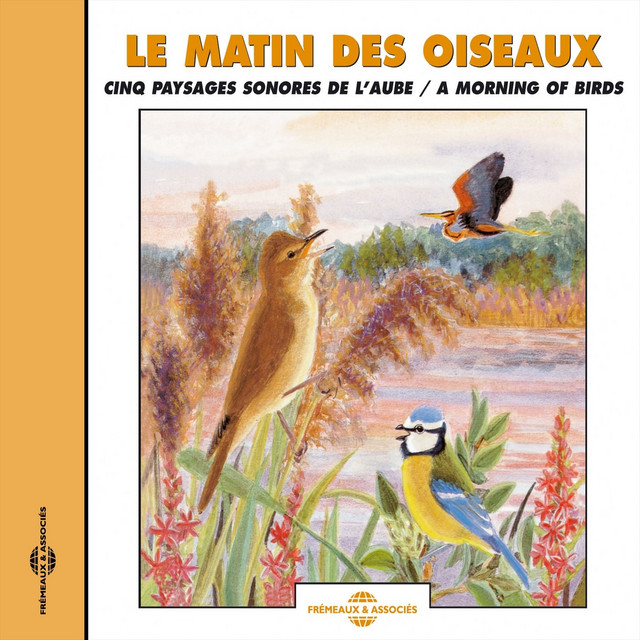
Le matin des oiseaux - A Morning of Birds (Cinq paysages sonores de l'aube)
Frémeaux Nature
1969
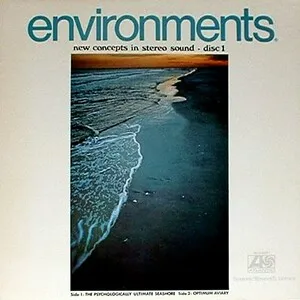
Environments (Disc 1)
Syntonic Research, Inc.
1993
La France : jardins, pré, bocage (Country Ambience)
Frémeaux Nature
2000
Outside the Circle of Fire
Chris Watson
1979
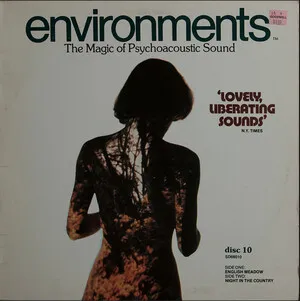
Environments (Disc 10)
Syntonic Research, Inc.
2010
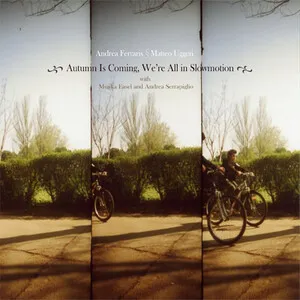
Autumn Is Coming, We're All in Slow Motion
Andrea Ferraris, Matteo Uggeri, Mujika Easel & Andrea Serrapiglio
2018
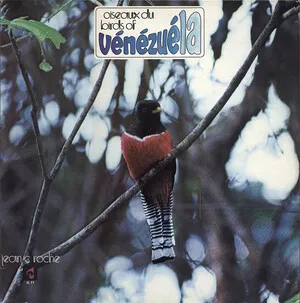
Oiseaux du Venezuela
Jean C. Roché
2019
Everyone Is Here
Kajsa Lindgren
Download our mobile app
Get the Melodigging app and start digging for new genres on the go
Download on the App Store
Get it on Google Play
© 2026 Melodigging
Give feedback
About & FAQ
Legal
Melodding was created as a tribute to
Every Noise at Once
, which inspired us to help curious minds keep digging into music's ever-evolving genres.