Indigenous American traditional music encompasses the ceremonial, social, and everyday musical practices of Native and Indigenous peoples throughout North, Central, and South America prior to and continuing after European contact.
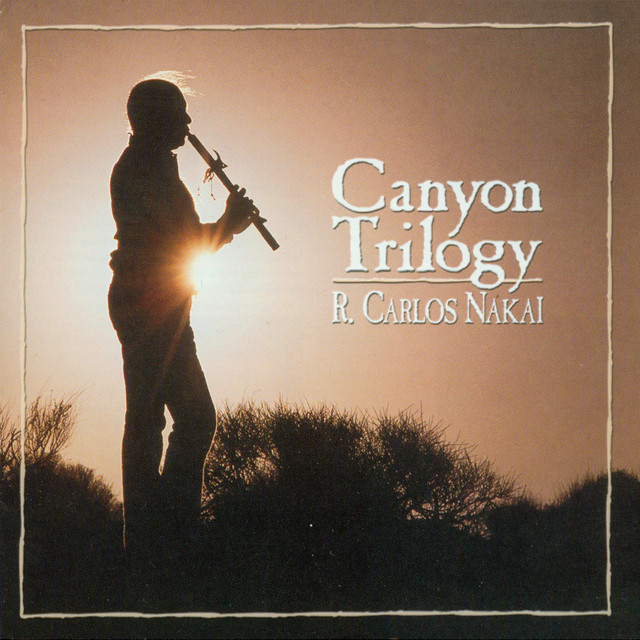
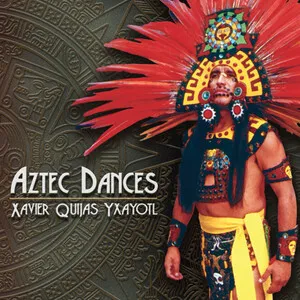
It is predominantly vocal and percussion-centered, featuring solo and group singing, vocables (non-lexical syllables), call-and-response, and cyclical song forms. Common instruments include frame and powwow drums, water drums, turtle-shell and gourd rattles, clapper sticks, log drums (teponaztli), and a wide family of flutes and aerophones such as the cedar/cane flute, quena, ocarina, and Andean panpipes (siku). Melodic systems vary widely by region, often employing tetratonic, pentatonic, and heptatonic pitch sets; Plains repertories frequently have descending contours, while Andean sikuri uses interlocking hocket textures.
Music functions as living knowledge and embodied practice—tying story, language, dance, ceremony, and land. It is used for healing, prayer, rites of passage, communal celebration, diplomacy, and oral history, with stylistic diversity spanning the Arctic throat games (katajjaq), Great Basin paired-phrase songs, Pueblo ceremonial music, Plains powwow styles, Amazonian icaros, and Andean siku ensembles.