Genres
Make Music
Artists
Albums
Challenges
Sign in
Sign in
Albums
By Steve Reich
Albums
By Steve Reich
Electric Counterpoint
May 1, 2012
Listen
1
/5
Genres
Post-Minimalism
Post-minimalism is a strand of contemporary classical music that grows out of 1960s minimalism but permits greater harmonic variety, expressive shaping, and formal narrative. It retains hallmarks such as steady pulse, repetitive patterns, and clear tonal or modal centers, yet loosens strict process rules, welcomes richer orchestration, and often draws on influences from rock, jazz, and non-Western musics. Compared with early minimalism’s austere procedures, post-minimalist works tend to feature long-arching climaxes, brighter triadic harmony, layered ostinati, and dynamic textural changes, yielding music that can be both hypnotic and overtly dramatic. The style appears in concert works, opera, chamber music, and film, where its driving pulse and luminous harmonies translate into compelling narrative momentum.
Discover
Listen
Minimalism
Minimalism is a style of Western art music that emerged in the United States during the 1960s, characterized by the use of very limited musical materials, steady pulse, and extensive repetition. Composers often build pieces from short cells or motifs that are repeated and slowly transformed through additive or subtractive processes, phase shifting, and gradual changes in harmony, texture, or register. Harmony is typically consonant (often modal or diatonic), though just intonation and extended drones are also common. The result is music that foregrounds process, clarity, audibility of structure, and a hypnotic sense of stasis and flow. Typical ensembles include keyboards, mallet percussion, strings, winds, voices, and electronics or tape. Minimalism influenced a wide array of later styles, from ambient and new age to post-minimalism and minimal techno.
Discover
Listen
Classical
Classical music is the notated art-music tradition of Europe and its global descendants, characterized by durable forms, carefully codified harmony and counterpoint, and a literate score-based practice. The term “classical” can refer broadly to the entire Western art-music lineage from the Medieval era to today, not just the Classical period (c. 1750s–1820s). It privileges long-form structures (such as symphonies, sonatas, concertos, masses, and operas), functional or modal harmony, thematic development, and timbral nuance across ensembles ranging from solo instruments to full orchestras and choirs. Across centuries, the style evolved from chant and modal polyphony to tonal harmony, and later to post-tonal idioms, while maintaining a shared emphasis on written notation, performance practice, and craft.
Discover
Listen
Similar albums
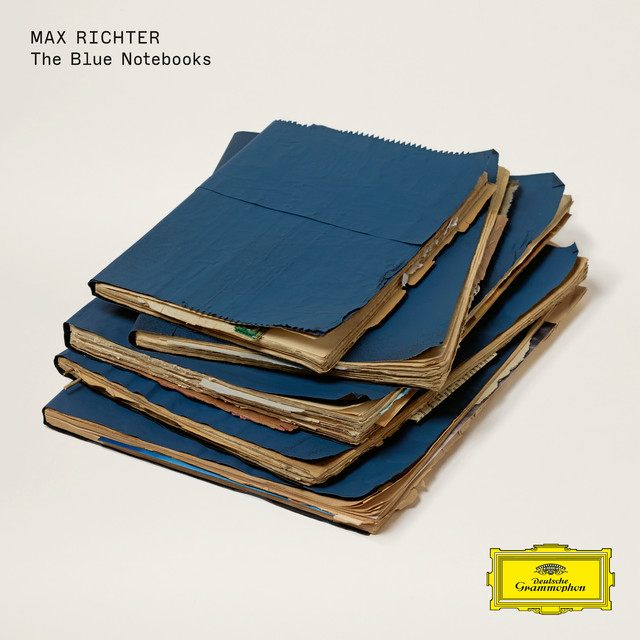
2018
The Blue Notebooks (15 Years)
Max Richter
2024
A Colour Field (Piano Version)
Max Richter
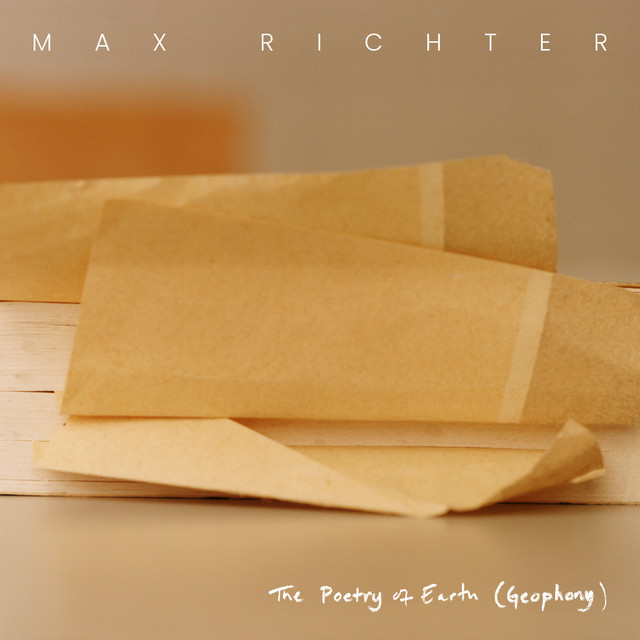
2024
The Poetry of Earth (Geophony)
Max Richter
2024
Movement, Before All Flowers
Max Richter
2025
Of the undiscovered country (From The Original Motion Picture "Hamnet")
Max Richter
2024
River (It's Coming On Christmas)
Max Richter
2015
Sleep
Max Richter
2014
The Theory of Everything (Original Motion Picture Soundtrack)
Jóhann Jóhannsson
2025
Hamnet (Original Motion Picture Soundtrack)
Max Richter
2019
Bach Reworks (Pt. 2)
Víkingur Ólafsson
Download our mobile app
Get the Melodigging app and start digging for new genres on the go
Download on the App Store
Get it on Google Play
© 2026 Melodigging
Give feedback
Legal
Melodding was created as a tribute to
Every Noise at Once
, which inspired us to help curious minds keep digging into music's ever-evolving genres.