Genres
Make Music
Artists
Albums
Challenges
Sign in
Sign in
Albums
By Ásgeir
Albums
By Ásgeir
Dýrð í dauðaþögn
January 1, 2012
Listen
3
/5
Genres
Indie Folk
Indie folk blends the DIY ethos and sonic aesthetics of independent rock with the acoustic instrumentation, intimate storytelling, and melodic simplicity of traditional folk. Timbres are typically warm and organic—fingerpicked acoustic guitars, close-mic’d vocals, subtle percussion, and spare ornamentation from banjo, mandolin, harmonium, or strings. Production often favors natural room ambiance, tape hiss, and gentle compression over glossy polish, creating a sense of proximity and emotional candor. Lyrically, the style is reflective and poetic, focusing on personal narratives, place, nature, spirituality, and memory. Harmony tends to be diatonic and modal, with drones, open tunings, and layered vocal harmonies adding depth. While understated, arrangements can scale into lush, choir-like textures and chamber-folk swells, balancing fragility with grandeur.
Discover
Listen
Rock
Rock is a broad family of popular music centered on amplified instruments, a strong backbeat, and song forms that foreground riffs, choruses, and anthemic hooks. Emerging from mid‑20th‑century American styles like rhythm & blues, country, and gospel-inflected rock and roll, rock quickly expanded in scope—absorbing folk, blues, and psychedelic ideas—while shaping global youth culture. Core sonic markers include electric guitar (often overdriven), electric bass, drum kit emphasizing beats 2 and 4, and emotive lead vocals. Rock songs commonly use verse–chorus structures, blues-derived harmony, and memorable melodic motifs, ranging from intimate ballads to high‑energy, stadium‑sized performances.
Discover
Listen
Folk
Folk is a song-centered acoustic tradition rooted in community storytelling, everyday life, and social history. It emphasizes clear melodies, simple harmonies, and lyrics that foreground narrative, protest, and personal testimony. As a modern recorded genre, folk coalesced in the early-to-mid 20th century in the United States out of older ballad, work song, and rural dance traditions. It typically features acoustic instruments (guitar, banjo, fiddle, mandolin, harmonica), strophic song forms, and participatory singing (choruses, call-and-response).
Discover
Listen
Icelandic Folk Music
Icelandic folk music is a largely vocal, text-driven tradition rooted in medieval Icelandic verse and saga culture. Its most emblematic form is rímur—long narrative poems delivered in semi-chanting melodies that emphasize internal rhyme, alliteration, and complex stanza forms. Closely related are kvæði (ballads) and tvísöngur (two-part singing in parallel intervals reminiscent of medieval organum). The sound is modal (often Dorian or Mixolydian), frequently free-rhythm or with flexible pulse to follow the text, and typically monophonic or in stark two-part harmony. Traditional instruments include the langspil (an Icelandic bowed zither) and the fiðla (an old fiddle), with later additions like harmonium and accordion in dance and parish settings. Social forms such as vikivaki ring-dances, seafarers’ work songs, and lullabies also belong to the repertoire, reflecting the island’s rural, seafaring, and ecclesiastical life.
Discover
Listen
Similar albums
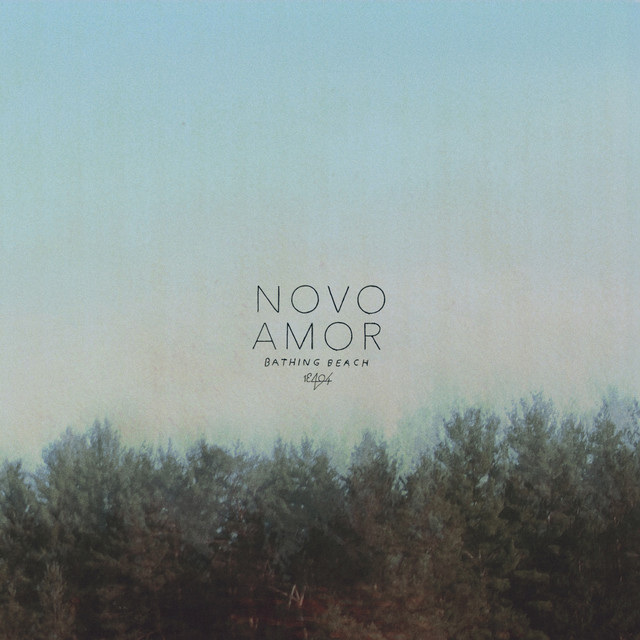
2017
Bathing Beach
Novo Amor
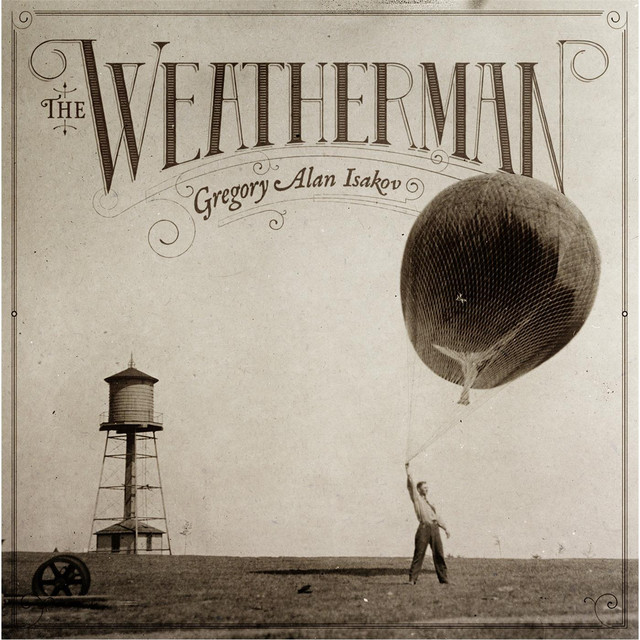
2013
The Weatherman
Gregory Alan Isakov
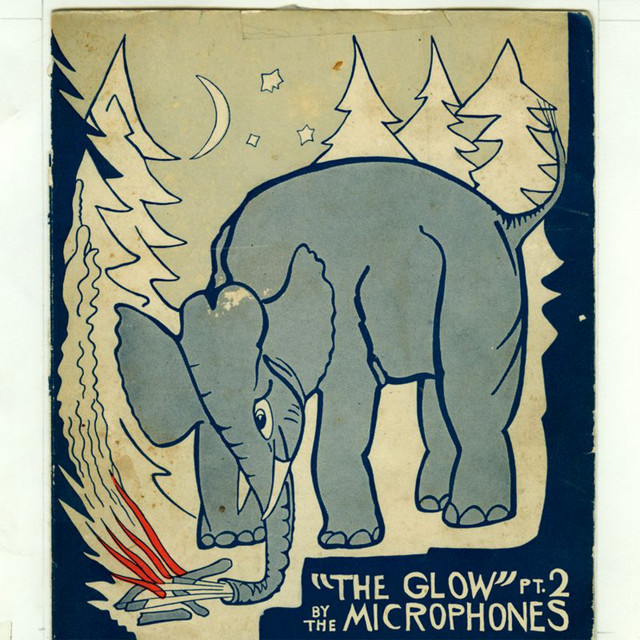
2001
"The Glow" Pt. 2
The Microphones
2017
A Crow Looked at Me
Mount Eerie
2004
Hljóðlega af stað
Hjálmar
2015
Carrie & Lowell
Sufjan Stevens
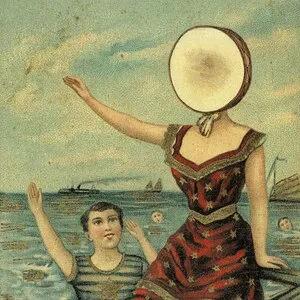
1998
In the Aeroplane Over the Sea
Neutral Milk Hotel
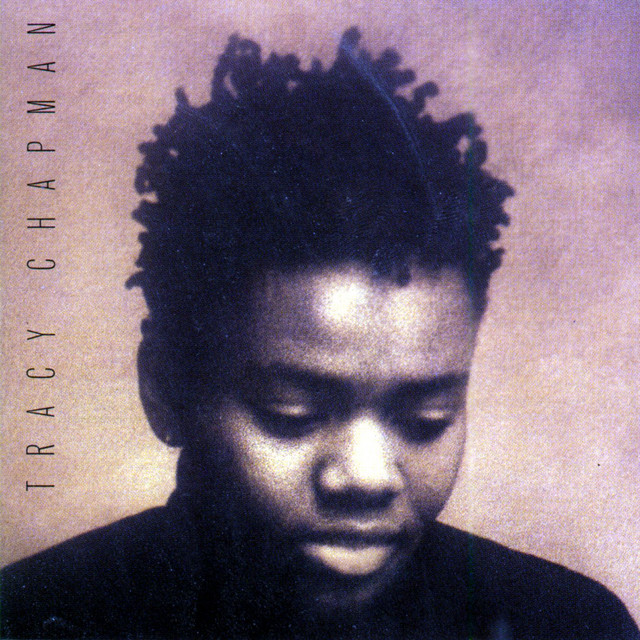
1988
Tracy Chapman
Tracy Chapman
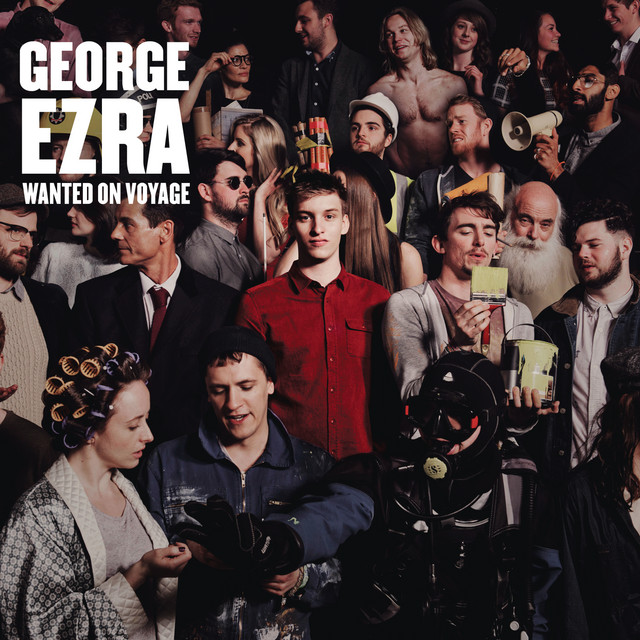
2014
Wanted on Voyage (Expanded Edition)
George Ezra
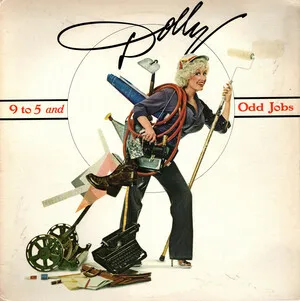
1980
9 to 5 and Odd Jobs
Dolly Parton
Download our mobile app
Get the Melodigging app and start digging for new genres on the go
Download on the App Store
Get it on Google Play
© 2026 Melodigging
Give feedback
Legal
Melodding was created as a tribute to
Every Noise at Once
, which inspired us to help curious minds keep digging into music's ever-evolving genres.