Genres
Artists
Albums
Make Music
Sign in
Sign in
Albums
By John Powell
Albums
By John Powell
Dr. Seuss’ Horton Hears a Who!: Original Motion Picture Soundtrack
March 25, 2008
Listen
Genres
Breakbeat
Breakbeat is a broad branch of electronic music defined by its use of broken, syncopated drum patterns ("breakbeats") rather than straight four-on-the-floor rhythms. Producers typically build tracks from looped and chopped drum breaks—often sampled from vintage funk, jazz, and R&B recordings—layered with basslines, synths, and effects. As both a production technique and a stylistic umbrella, breakbeat underpins and intersects with many scenes: from old‑school hip‑hop turntablism and electro to the UK rave continuum (breakbeat hardcore, big beat, Florida breaks) and onward to garage-derived styles. While not synonymous with jungle and drum & bass, the same culture of sampling and chopping classic breaks (e.g., the Amen break) helped inform those genres as well.
Discover
Listen
Big Band
Big band is a large-ensemble style of jazz and popular dance music built around brass, reed, and rhythm sections playing arranged parts. Typical instrumentation includes five saxophones (often doubling clarinet/flute), four trombones, four trumpets, and a rhythm section of piano, guitar, upright bass, and drum set. The music emphasizes swing rhythms, call-and-response between sections, riff-based writing, and dramatic shout choruses, while leaving space for improvised solos. Born in American ballrooms and theaters, big band became the sound of the Swing Era, providing both music for dancing and a platform for sophisticated arranging and orchestration that shaped much of 20th‑century jazz and popular music.
Discover
Listen
Classical
Classical music is the notated art-music tradition of Europe and its global descendants, characterized by durable forms, carefully codified harmony and counterpoint, and a literate score-based practice. The term “classical” can refer broadly to the entire Western art-music lineage from the Medieval era to today, not just the Classical period (c. 1750s–1820s). It privileges long-form structures (such as symphonies, sonatas, concertos, masses, and operas), functional or modal harmony, thematic development, and timbral nuance across ensembles ranging from solo instruments to full orchestras and choirs. Across centuries, the style evolved from chant and modal polyphony to tonal harmony, and later to post-tonal idioms, while maintaining a shared emphasis on written notation, performance practice, and craft.
Discover
Listen
Similar albums
Hide discovered
1969
Moondog
Moondog
2006
The Fast and the Furious: Tokyo Drift (Original Score)
Brian Tyler
2013
FINAL FANTASY X HD Remaster Original Soundtrack
植松伸夫
1989
Four Symphonic Works by Duke Ellington
Duke Ellington
1958
Black, Brown and Beige
Duke Ellington and His Orchestra featuring Mahalia Jackson
2003
The Best of Henry Mancini
Henry Mancini
1987
The Glass Menagerie
Henry Mancini
1983
Suite for Chamber Orchestra and Jazz Piano Trio
Claude Bolling; English Chamber Orchestra, Jean-Pierre Rampal, Claude Bolling
1968
Petulia
John Barry
2014
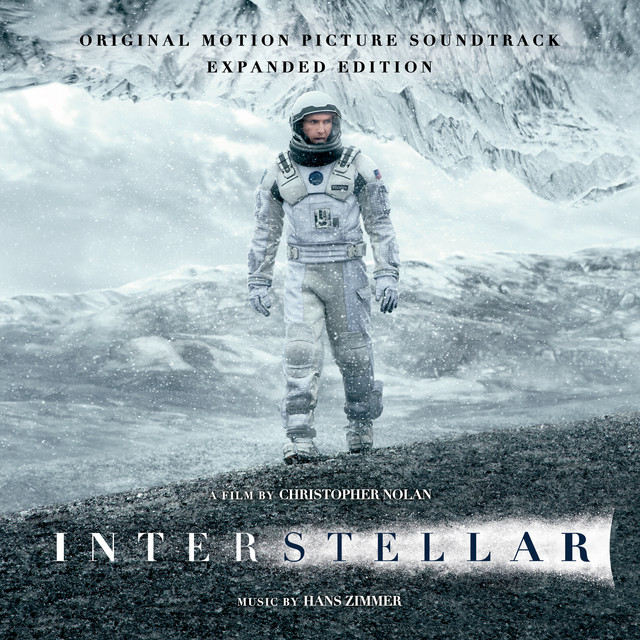
Interstellar (Original Motion Picture Soundtrack) [Expanded Edition]
Hans Zimmer
Download our mobile app
Get the Melodigging app and start digging for new genres on the go
Download on the App Store
Get it on Google Play
© 2026 Melodigging
Give feedback
About & FAQ
Legal
Melodding was created as a tribute to
Every Noise at Once
, which inspired us to help curious minds keep digging into music's ever-evolving genres.