Dutch folk music (Nederlandse volksmuziek) comprises traditional songs, dance tunes, and ballads from the Netherlands, passed down through oral tradition and later collected by folklorists. It ranges from seafaring shanties along the coasts to rural dance music in provinces such as Brabant, Limburg, Groningen, and Friesland.
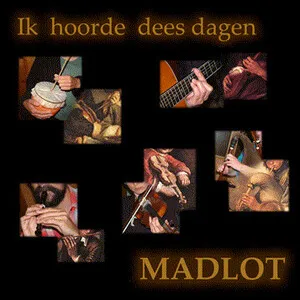
Typical instruments include the diatonic button accordion (trekharmonica), fiddle, hurdy-gurdy (draailier), bagpipes (doedelzak), recorder and transverse flute, guitar, mandolin, jaw harp, and hand percussion. Many tunes are set to European partner-dance meters such as waltz (3/4), polka (2/4), schottische (4/4), and mazurka (3/4), and are performed at village festivities, markets, and kermis fairs. Songs often use regional dialects and tell stories of love, work, the seasons, religious and historical events, and seafaring life.
Stylistically, Dutch folk music is strophic and melodic, with diatonic harmonies (I–IV–V progressions), modal touches in older repertoire, and drones or bourdon textures from hurdy-gurdy or bagpipes. It has fed into modern revivals and crossover acts that keep the repertoire alive on contemporary stages and festivals.