Genres
Make Music
Artists
Albums
Challenges
Sign in
Sign in
Albums
By Fuerza Regida
Albums
By Fuerza Regida
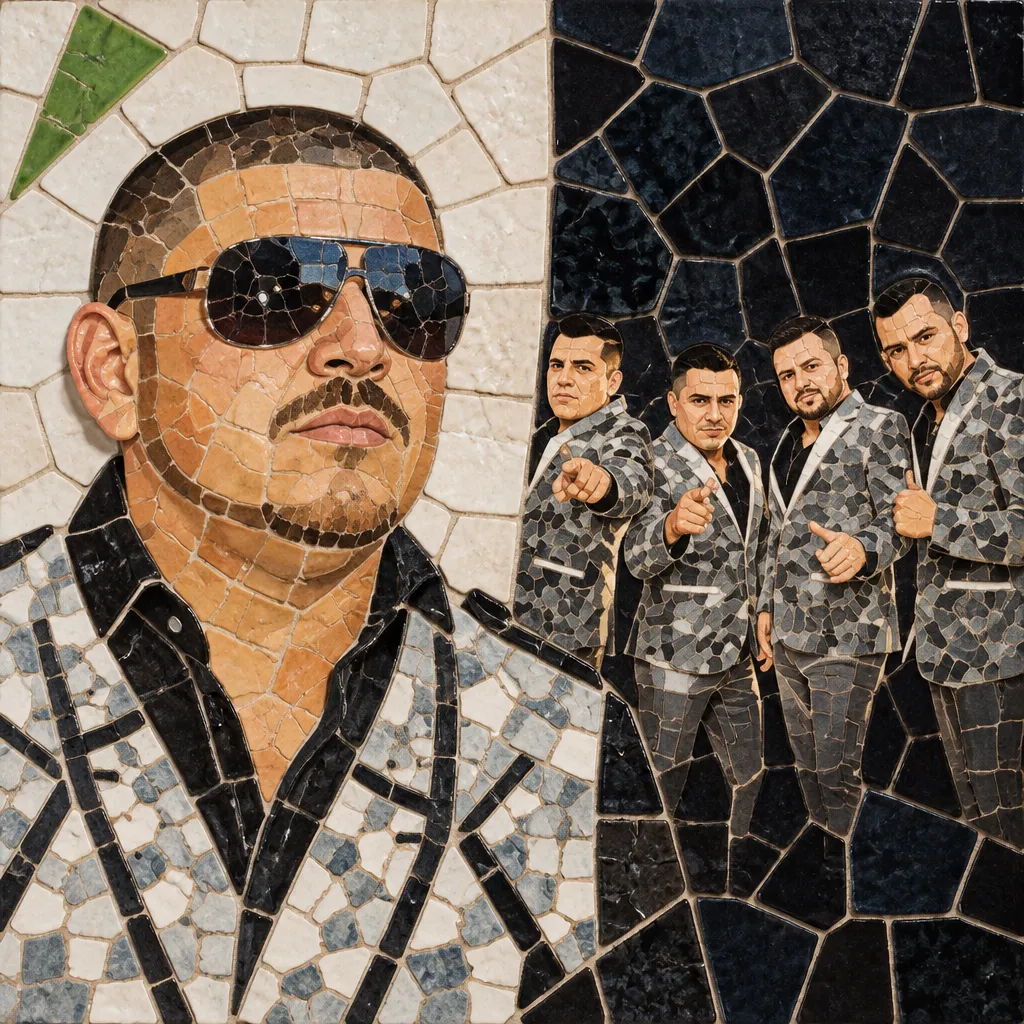
Del barrio hasta aquí, vol. 2
December 31, 2021
Listen
4
/5
Genres
Movimiento Alterado
Movimiento alterado is a contemporary offshoot of the Mexican corrido tradition that foregrounds hyper-violent, adrenaline-charged storytelling and hard-hitting, brass- or guitar-led arrangements. It is closely tied to the "corridos alterados" wave, in which first‑person narratives, military jargon, and explicit depictions of cartel life are delivered with swaggering vocals and propulsive rhythms. Musically, the style draws on banda sinaloense and norteño/sierreño instrumentations: blasting tambora and tarola (snare), tuba bass lines, and tight trumpet/trombone/clarinet riffs on the banda side; or rapid 12‑string guitar (requinto), accordion, and bass/tuba on the sierreño/norteño side. Harmonies are typically bright and functional (I–IV–V), while the feel is often polka‑like two‑step. Production emphasizes loud, saturated brass and percussion, catchy unison riffs, and breakneck fills that amplify the lyrical bravado. Culturally, movimiento alterado was propelled by labels and promoters who packaged and marketed the sound and image—dark attire, tactical aesthetics, and viral videos—toward Mexican and Mexican‑American audiences, especially across Sinaloa, Sonora, and the Los Angeles diaspora.
Discover
Listen
Sierreño
Sierreño (música sierreña) is an acoustic, guitar‑driven substyle of Regional Mexican music rooted in the mountainous "sierra" regions of northwestern Mexico. It typically features a trio format: a lead requinto guitar playing melodic lines and solos, a 6‑ or 12‑string rhythm guitar providing harmonic drive with vigorous rasgueado strumming, and a bass voice supplied by tololoche (acoustic upright), acoustic/electric bass, or, in modern variants, tuba. Vocals are often delivered in close two‑ or three‑part harmonies, carrying narratives (corridos) and romantic themes (boleros, rancheras). The sound is percussive yet intimate—largely drumless—with tempos ranging from lilting waltzes to polka‑like two‑steps. Contemporary waves ("sierreño con tuba" and urban/crossover forms) expand the palette while preserving the genre’s core string interplay.
Discover
Listen
Norteño
Norteño (música norteña) is a Mexican regional style built around the bright timbre of the diatonic button accordion and the driving strum of the bajo sexto. Rooted in borderland dance music, it blends Central European polka, waltz, and schottische rhythms with Mexican corrido storytelling and ranchera songcraft. Characterized by brisk 2/4 polkas and lilting 3/4 waltzes, norteño songs range from narrative corridos about migration and everyday struggles to romantic ballads and party tunes. Traditional ensembles used tololoche (upright bass) and snare, while modern groups often add electric bass, full drum kits, and occasionally tenor sax (in the norteño-sax substyle) or tuba (in norteño-banda). The result is a dance-forward, story-rich music that bridges rural and urban audiences on both sides of the U.S.–Mexico border.
Discover
Listen
Banda Sinaloense
Banda sinaloense is a brass-driven regional Mexican style that arose in the state of Sinaloa, blending European military band sonorities with local dance and song forms. Ensembles typically feature clarinets, trumpets, trombones, alto/baritone horns, and a tuba or sousaphone, anchored by the iconic tambora (bass drum with mounted cymbal) and tarola (snare drum). Its repertoire spans lively polkas, waltzes, mazurkas, schottisches, and pasodobles, alongside Mexican corridos, rancheras, boleros, and modern cumbias. The sound is powerful and celebratory: unison brass fanfares, tight harmonized lines, and a driving “oom‑pah” low end support emotive lead vocals and energetic percussion, making it a staple of festivals, dances, and contemporary charts.
Discover
Listen
Bandas De Viento De México
Bandas de viento de México are Mexican wind and brass ensembles that perform for fiestas, processions, community dances, and stage concerts. They feature clarinets, trumpets, trombones, horns, and tuba/sousaphone supported by tarola (snare) and a large bass drum known as the tambora. Their repertoire blends European dance forms such as polka, waltz, schottische, and pasodoble with Mexican song forms like rancheras and corridos, alongside cumbias and contemporary pop arrangements. While closely related to the better-known Banda sinaloense, the term "bandas de viento" also encompasses rich town-band traditions across states like Oaxaca, Puebla, Zacatecas, and Jalisco. The sound is powerful, festive, and highly danceable, with unison clarinet lines, bright trumpet harmonies, and the tuba’s characteristic oom-pah pulse driving the groove.
Discover
Listen
Similar albums
2017
La rueda de la fortuna
Alfredo Olivas
2012
Bélico
El Komander
2010
Ni hoy ni mañana
Gerardo Ortiz
2016
Hoy Más Fuerte
Gerardo Ortiz
2024
Corridos bélicos, vol. IV
Luis R Conriquez
2022
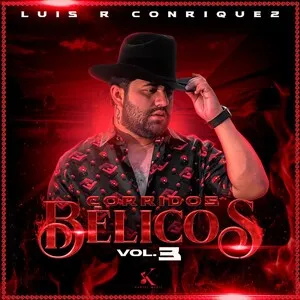
Corridos bélicos, vol. 3
Luis R Conriquez
2016
Entre Dios y El Diablo
Gerardo Ortiz
2014
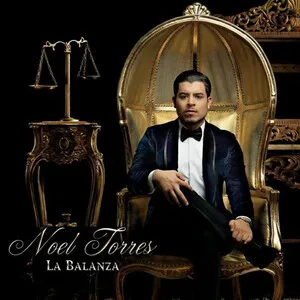
La Balanza
Noel Torres
2014
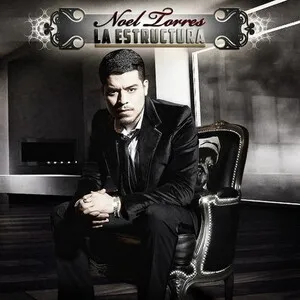
La estructura
Noel Torres
2025
111XPANTIA
Fuerza Regida
Download our mobile app
Get the Melodigging app and start digging for new genres on the go
Download on the App Store
Get it on Google Play
© 2026 Melodigging
Give feedback
Legal
Melodding was created as a tribute to
Every Noise at Once
, which inspired us to help curious minds keep digging into music's ever-evolving genres.