Genres
Make Music
Artists
Albums
Challenges
Sign in
Sign in
Albums
By Akina Nakamori
Albums
By Akina Nakamori
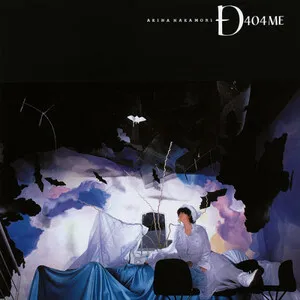
D404ME
August 10, 1985
Listen
2
/5
Genres
Idol Kayō
Idol kayō is a strand of Japanese popular song (kayōkyoku) centered on manufactured "idol" singers who present a wholesome, approachable image alongside catchy, highly arranged pop tunes. It emphasizes bright melodies, simple romantic or seasonal themes, and choreography-ready hooks that translate well to television variety shows and live fan events. Sonically it sits between classic kayōkyoku and later J-pop, often blending disco rhythms, string and brass arrangements, and early synth-pop colors, with key changes and memorable refrains designed for mass appeal.
Discover
Listen
Synth-Pop
Synth-pop is a pop-oriented style that foregrounds the synthesizer as its primary instrument, often paired with drum machines and sequencers. It favors clean, melodic hooks, concise song structures, and a sleek, modernist sound that ranges from cool and minimal to lush and romantic. Emerging at the turn of the 1980s from the UK new wave and post-punk scenes, synth-pop leveraged affordable analog and then digital keyboards to bring electronic textures into the mainstream. Its sonic palette includes arpeggiated basslines, shimmering pads, bright leads, gated or machine-driven drums, and polished vocals that convey both futuristic detachment and emotional immediacy.
Discover
Listen
Pop
Pop is a broad, hook-driven style of popular music designed for wide appeal. It emphasizes memorable melodies, concise song structures, polished vocals, and production intended for radio, charts, and mass media. While pop continually absorbs elements from other styles, its core remains singable choruses, accessible harmonies, and rhythmic clarity. Typical forms include verse–pre-chorus–chorus, frequent use of bridges and middle-eights, and ear-catching intros and outros. Pop is not defined by a single instrumentation. It flexibly incorporates acoustic and electric instruments, drum machines, synthesizers, and increasingly digital production techniques, always in service of the song and the hook.
Discover
Listen
Kayōkyoku
Kayōkyoku is a broad umbrella of Japanese popular song that dominated the nation’s mainstream from the prewar era through the 1980s, before the term J‑pop became prevalent. It blends Western popular idioms—such as jazz, swing, tango, and later rock and roll—with Japanese melodic sensibilities and lyric themes. Stylistically, kayōkyoku favors clear, memorable melodies, polished vocal delivery, and orchestral or big‑band arrangements. Its songs often use Western song forms (AABA or verse–chorus), while retaining a distinctly Japanese emotional tone rooted in nostalgia, romance, and everyday urban life.
Discover
Listen
Electronic
Electronic is a broad umbrella genre defined by the primary use of electronically generated or electronically processed sound. It encompasses music made with synthesizers, drum machines, samplers, computers, and studio/tape techniques, as well as electroacoustic manipulation of recorded or synthetic sources. The genre ranges from academic and experimental traditions to popular and dance-oriented forms. While its sonic palette is rooted in electricity and circuitry, its aesthetics span minimal and textural explorations, structured song forms, and beat-driven club permutations. Electronic emphasizes sound design, timbre, and studio-as-instrument practices as much as melody and harmony.
Discover
Listen
Similar albums
1986
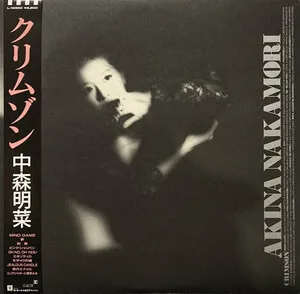
Crimson クリムゾン
Akina Nakamori 中森明菜
1998
BLONDE
Akina Nakamori
1988
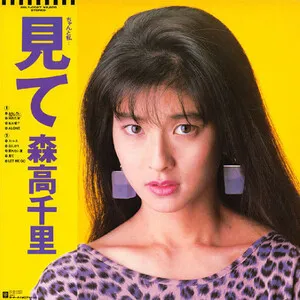
Mite 見て
Chisato Moritaka 森高千里
1988
Mi-ha ミーハー
Chisato Moritaka 森高千里
1984
Possibility
Akina Nakamori 中森明菜
2015
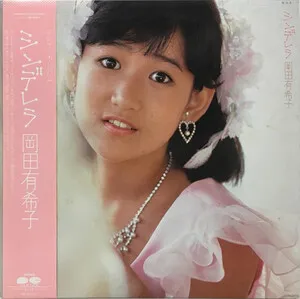
Cinderella シンデレラ
Yukiko Okada 岡田有希子
2011
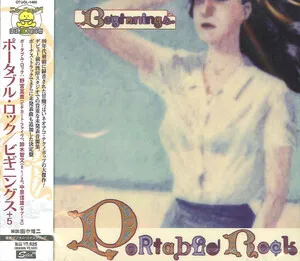
Beginnings
Portable Rock
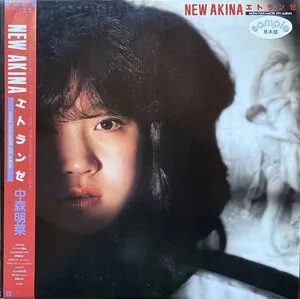
1983
New Akina: Etranger New Akina: エトランゼ
Akina Nakamori 中森明菜
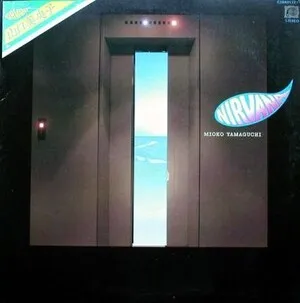
1981
Nirvana
Mioko Yamaguchi 山口美央子
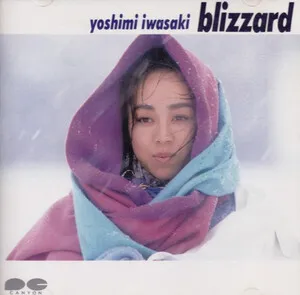
1987
Blizzard
Yoshimi Iwasaki
Download our mobile app
Get the Melodigging app and start digging for new genres on the go
Download on the App Store
Get it on Google Play
© 2026 Melodigging
Give feedback
Legal
Melodding was created as a tribute to
Every Noise at Once
, which inspired us to help curious minds keep digging into music's ever-evolving genres.