Genres
Make Music
Artists
Albums
Challenges
Sign in
Sign in
Albums
By Ismael Rivera
Albums
By Ismael Rivera
Cortijo en New York
2015
Listen
1
/5
Genres
Plena
Plena is an Afro–Puerto Rican music and dance genre that arose in working-class neighborhoods—most famously in Ponce and later Santurce—during the early 20th century. Often called the “periodical sung” (periódico cantado), plena songs chronicle everyday life, news, humor, and social commentary through concise verses and refrains. The core sound centers on panderos de plena (a family of frame drums in three sizes), the güiro scraper, handclaps, and call‑and‑response vocals. Rhythms are typically in 2/4 or 4/4 with syncopations related to Afro-Caribbean cells such as the habanera. While harmony is generally simple (I–IV–V with occasional modal color), plena’s power lies in its infectious groove, topical lyrics, and communal participation—qualities that later ensembles expanded with bass, brass (notably trombones), and dance-band arrangements.
Discover
Listen
Rumba Cubana
Rumba cubana is an Afro‑Cuban secular music and dance tradition born in the working‑class solares and dockyards of Havana and Matanzas in the late 19th century. It is percussion‑driven, sung in call‑and‑response, and danced in a highly interactive way. The genre revolves around the rumba clave (in 3‑2 or 2‑3 orientation), interlocking conga (tumbadora) parts, wooden sticks (palitos) on the drum shell, and often cajones (wooden boxes) and chekeré. Its main substyles are yambú (slow and graceful), guaguancó (medium tempo, playful “vacunao” courtship gesture), and columbia (fast, often in 12/8, originally a solo male competitive dance). Rumba cubana is distinct from the ballroom “rhumba.” It is a community practice that blends Central/West African rhythmic logics with Spanish song poetry, improvisation, and dance theater.
Discover
Listen
Guaguancó
Guaguancó is a vibrant couple-dance style within the Cuban rumba family that emerged in working‑class Afro‑Cuban neighborhoods, especially in Havana and Matanzas. It features an interlocking percussion ensemble, call‑and‑response vocals, and a flirtatious dance whose central dramatic gesture is the vacunao, a playful, sudden pelvic or hand "tag" that the partner attempts to block. Musically, guaguancó is organized around the rumba clave (in 3‑2 or 2‑3 orientation), with layered patterns on congas (tumbadoras), the lead quinto drum improvising over the groove, and timekeeping on claves and a wooden guagua/cata. The singing typically begins with an improvised diana (vocal fanfare), moves into solo verses (pregón) and a catchy coro (estribillo). The overall effect is communal, earthy, and intensely rhythmic—designed as much for dance and social play as for musical display.
Discover
Listen
Guaracha
Guaracha is a fast‑paced Cuban song–dance genre known for witty, satirical, and often picaresque lyrics delivered over a driving Afro‑Cuban groove. It typically uses the son clave (in 2–3 or 3–2 orientation), call‑and‑response coros, and a lively montuno section that invites dance and audience participation. Originally tied to popular and comic theater, guaracha later became a staple of Cuban conjuntos and charangas, and it survives in the salsa repertoire as a label for brisk, upbeat numbers. Instrumentation commonly includes voice(s), guitar or tres, bass, bongó, maracas, claves, and often trumpets or charanga flute/violins. Harmonies are straightforward and bright (major keys, I–IV–V with frequent secondary dominants), while the rhythmic feel is relentlessly syncopated and festive. The term should not be confused with modern "guaracha edm" (a separate, contemporary club style); historical Cuban guaracha is a distinct traditional genre with roots in 19th‑century Havana and theatrical culture.
Discover
Listen
Bomba
Bomba is an Afro‑Puerto Rican drum‑dance tradition that emerged among enslaved Africans and their descendants on the island’s coastal plantations and port towns. It centers on a vibrant dialogue between a solo dancer’s improvised moves and a lead drum that answers each gesture in real time, supported by a steady ensemble groove, call‑and‑response singing, and communal chorus. The core ensemble uses barrel drums (barriles) made from rum barrels: a buleador (or segundo) that maintains the ostinato and a subidor/primo that improvises to the dancer. Musicians also play cuás (wooden sticks on the drum’s shell) and a single maraca, typically held by the lead singer. Bomba includes several regional rhythms—such as sicá, yubá, cuembé, and holandés—each with its own tempo, swing, and dance vocabulary. Beyond entertainment, bomba has functioned as a vehicle for resistance, social commentary, and community identity, and today it thrives in both Puerto Rico and its diasporas, often fusing with jazz, salsa, and contemporary popular styles.
Discover
Listen
Similar albums
1975
Baile con Cortijo y Su Combo
Cortijo y Su Combo
1964
Echando pa'lante (Straight Ahead)
Eddie Palmieri
1966
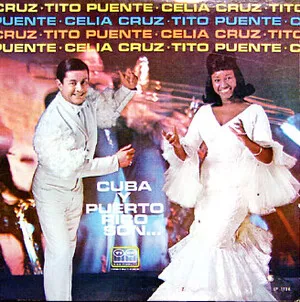
Cuba y Puerto Rico son...
Celia Cruz & Tito Puente
1959
Quitate de la vía perico
Cortijo y Su Combo
1960
Bueno, y qué...?
Cortijo y Su Combo
1969
Controversia
Ismael Rivera y sus Cachimbos
1991
Dance Mania
Tito Puente and His Orchestra
1993
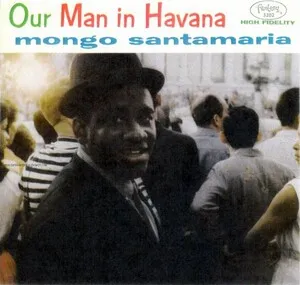
Our Man in Havana
Mongo Santamaría
1965
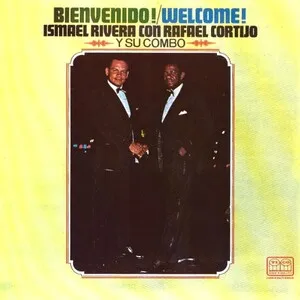
Bienvenido! / Welcome!
Ismael Rivera & Cortijo y Su Combo
1969
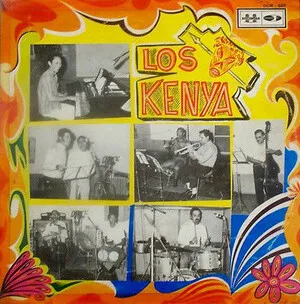
Los Kenya
Los Kenya
Download our mobile app
Get the Melodigging app and start digging for new genres on the go
Download on the App Store
Get it on Google Play
© 2026 Melodigging
Give feedback
Legal
Melodding was created as a tribute to
Every Noise at Once
, which inspired us to help curious minds keep digging into music's ever-evolving genres.