Genres
Artists
Albums
Make Music
Sign in
Sign in
Albums
By The English Concert
Albums
By The English Concert
Coronation Mass / Exsultate, jubilate / Vesperae solennes
July 1, 1994
Listen
Genres
Classical Period
The Classical period in Western art music (c. 1750–1820) is defined by clarity of form, balance of phrase, and transparent textures. Composers favored singable melodies, symmetrical four- and eight-bar phrases, and functional harmony that modulates to closely related keys. Hallmark forms such as the symphony, string quartet, sonata, and classical concerto were standardized, often using sonata form, theme-and-variations, minuet and trio, and rondo designs. Orchestras expanded beyond strings to include standardized pairs of woodwinds and horns, with trumpets and timpani for ceremonial weight, while the fortepiano gradually replaced the harpsichord. The style pivoted away from the dense counterpoint of the late Baroque toward a more galant, conversational musical rhetoric. It culminated in the Viennese masters—Haydn, Mozart, and the early Beethoven—whose works crystallized the era’s ideals and prepared the way for Romanticism.
Discover
Listen
Classical
Classical music is the notated art-music tradition of Europe and its global descendants, characterized by durable forms, carefully codified harmony and counterpoint, and a literate score-based practice. The term “classical” can refer broadly to the entire Western art-music lineage from the Medieval era to today, not just the Classical period (c. 1750s–1820s). It privileges long-form structures (such as symphonies, sonatas, concertos, masses, and operas), functional or modal harmony, thematic development, and timbral nuance across ensembles ranging from solo instruments to full orchestras and choirs. Across centuries, the style evolved from chant and modal polyphony to tonal harmony, and later to post-tonal idioms, while maintaining a shared emphasis on written notation, performance practice, and craft.
Discover
Listen
Choral
Choral refers to music written for and performed by a choir—an ensemble of voices organized into sections such as soprano, alto, tenor, and bass (SATB), or same-voice groupings (SSA, TTBB). It encompasses both sacred and secular repertoire and may be sung a cappella or with accompaniment by organ, piano, or full orchestra. Stylistically, choral music ranges from chant-like monophony to intricate polyphony and rich homophonic textures. Texts are drawn from liturgy, scripture, poetry, and vernacular sources, and are set in many languages. Performance contexts include church services, concert halls, and community events, making choral one of the most socially embedded and widely practiced forms of ensemble music. Across history, choral music has served as a laboratory for vocal counterpoint, word painting, and text-driven form, while functioning as a cultural bridge among religious rites, national traditions, and contemporary concert practice.
Discover
Listen
Similar albums
Hide discovered
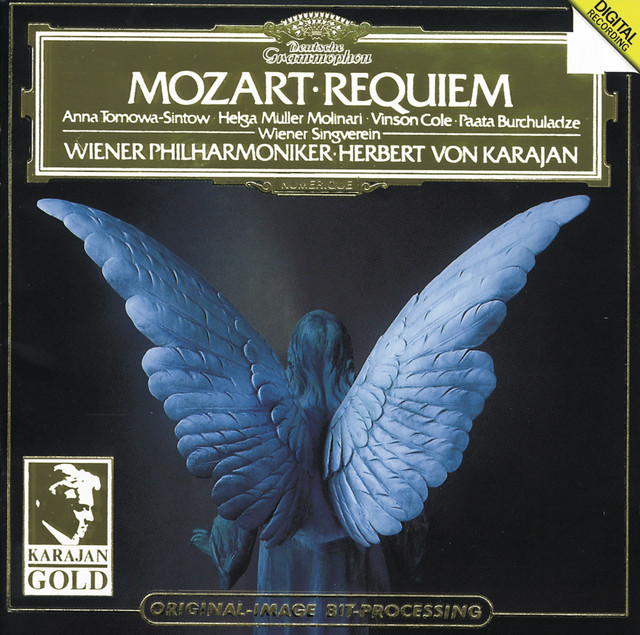
1987
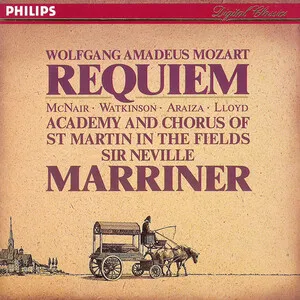
Requiem
Wolfgang Amadeus Mozart / Franz Xaver Süssmayr
1971
Requiem
Wolfgang Amadeus Mozart / Franz Xaver Süssmayr
1993
Requiem
Wolfgang Amadeus Mozart / Franz Xaver Süssmayr
1984
Symphonie No.9
Ludwig van Beethoven / Berliner Philharmoniker / Herbert von Karajan
1984
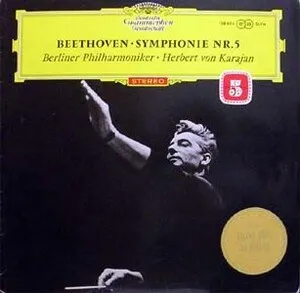
Symphonie Nr. 5
Ludwig van Beethoven / Berliner Philharmoniker / Herbert von Karajan
1980
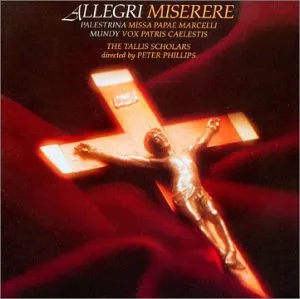
Miserere / Missa Papae Marcelli / Vox Patris caelestis
Gregorio Allegri / The Tallis Scholars / Peter Phillips
1962
Requiem KV 626
Wolfgang Amadeus Mozart / Franz Xaver Süssmayr
2000
Messe en si
Johann Sebastian Bach / Collegium Vocale Gent / Philippe Herreweghe
1985
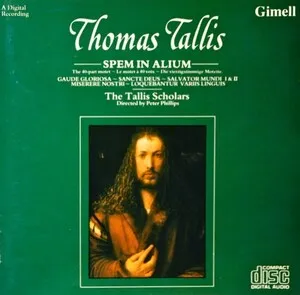
Spem in alium
Thomas Tallis / The Tallis Scholars / Peter Phillips
1991
Requiem
Wolfgang Amadeus Mozart / Franz Xaver Süssmayr
Download our mobile app
Get the Melodigging app and start digging for new genres on the go
Download on the App Store
Get it on Google Play
© 2026 Melodigging
Give feedback
About & FAQ
Legal
Melodding was created as a tribute to
Every Noise at Once
, which inspired us to help curious minds keep digging into music's ever-evolving genres.