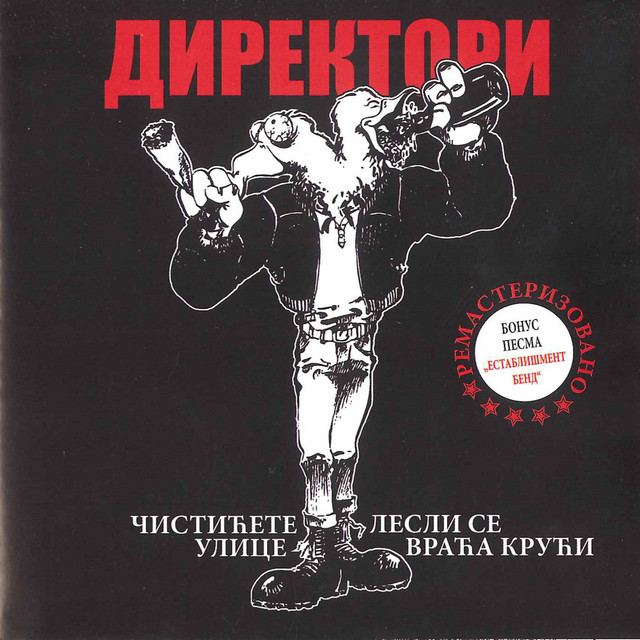
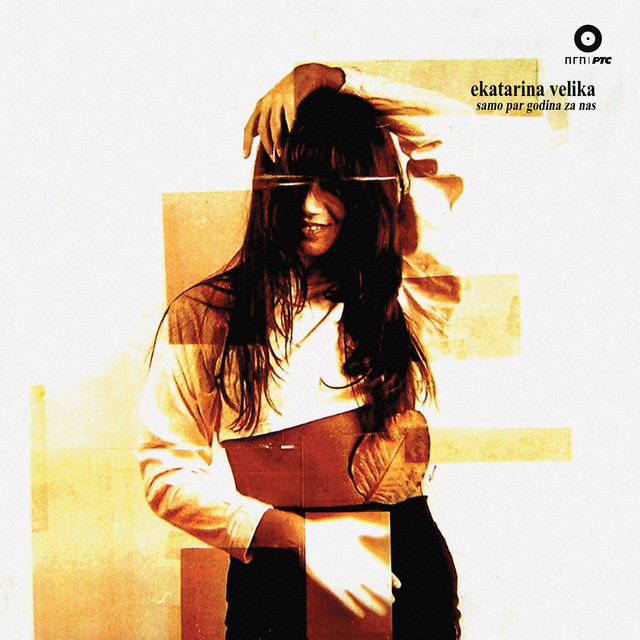
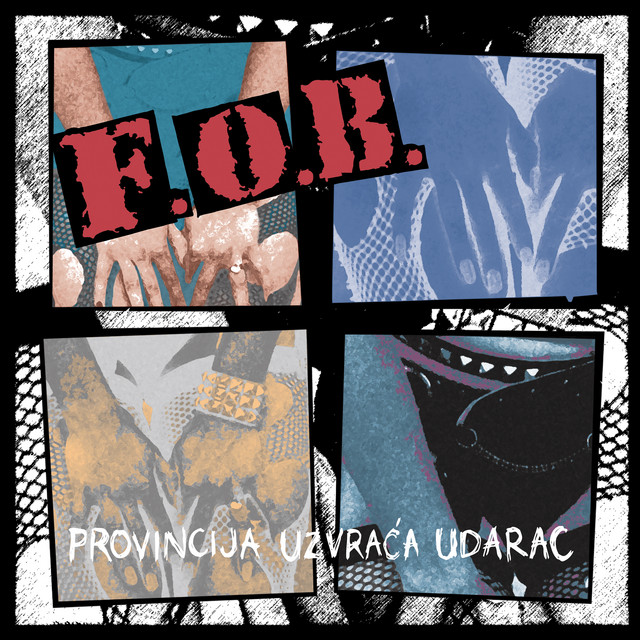
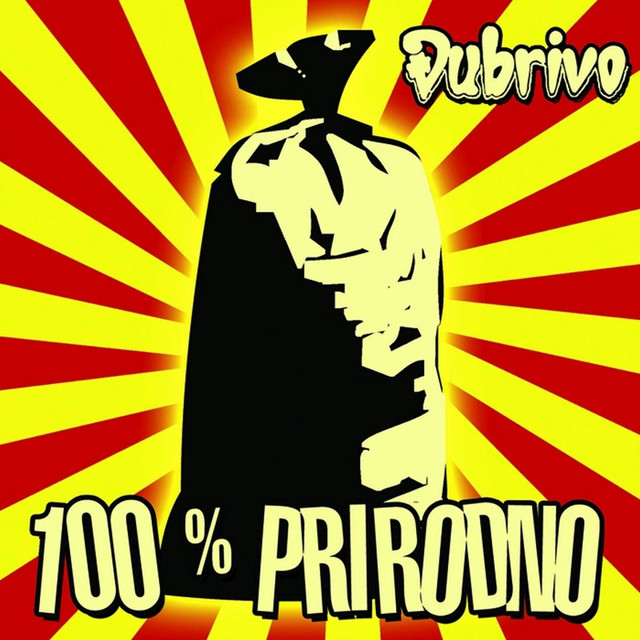
Balkan punk is the regional variant of punk that took root across the former Yugoslavia and the wider Balkan peninsula in the late 1970s. It blends the raw energy, speed, and DIY ethos of first‑wave punk with local languages, sardonic humor, and a keen sense of social commentary shaped by life under socialism and, later, post‑socialist transition.
While the core is classic punk rock—fast 2/4 or 4/4 beats, overdriven guitars, and chant‑ready hooks—many bands thread in regional colors: asymmetrical rhythms (7/8, 9/8), minor‑key or Eastern‑tinged melodic turns, and a flair for anthemic choruses reminiscent of terrace chants. Lyrics tend to be sharp, satirical, and street‑level, addressing bureaucracy, nationalism, economic hardship, and everyday absurdities with both grit and wit.
The scene’s openness—zines, youth clubs, student centers, and small labels—allowed punk to spread quickly from Ljubljana and Rijeka to Zagreb, Belgrade, Sarajevo, Skopje, Sofia, Athens, and beyond, creating a distinctive, resilient underground that continues to renew itself.