Genres
Make Music
Artists
Albums
Challenges
Sign in
Sign in
Albums
By Benny Andersson, Tim Rice & Björn Ulvaeus
Albums
By Benny Andersson, Tim Rice & Björn Ulvaeus
Chess
January 1, 2014
Listen
3
/5
Genres
Rock Musical
Rock musical is a stage musical whose primary musical language is rock and its closely related pop-rock idioms. It brings the instrumentation, vocal style, rhythmic drive, and production aesthetics of rock into musical theatre storytelling, typically with amplified bands, electric guitars, drum kit, and contemporary vocal belting. Narratively, rock musicals blend character-driven songs and scene-integrated numbers with hooks, anthemic choruses, and recurring motifs, addressing themes such as youth culture, counterculture, identity, politics, and social change. While some works are through-sung like rock opera, many rock musicals retain book-musical dialogue, combining theatre craft with the immediacy and energy of live rock performance.
Discover
Listen
Rock
Rock is a broad family of popular music centered on amplified instruments, a strong backbeat, and song forms that foreground riffs, choruses, and anthemic hooks. Emerging from mid‑20th‑century American styles like rhythm & blues, country, and gospel-inflected rock and roll, rock quickly expanded in scope—absorbing folk, blues, and psychedelic ideas—while shaping global youth culture. Core sonic markers include electric guitar (often overdriven), electric bass, drum kit emphasizing beats 2 and 4, and emotive lead vocals. Rock songs commonly use verse–chorus structures, blues-derived harmony, and memorable melodic motifs, ranging from intimate ballads to high‑energy, stadium‑sized performances.
Discover
Listen
Soundtrack
Soundtrack is music created to accompany and enhance visual media such as film, television, and video games. It includes original scores (instrumental or vocal music composed specifically for the picture) and, at times, curated compilations of pre-existing songs. Stylistically, soundtrack is a meta-genre that can encompass orchestral symphonic writing, jazz, electronic and synth-driven textures, choral forces, popular song, and experimental sound design. Its defining trait is functional storytelling: themes, motifs, harmony, rhythm, and timbre are shaped by narrative needs, character psychology, pacing, and editing. Common features include leitmotifs for characters or ideas, modular cues that can be edited to picture, dynamic orchestration for dramatic range, and production approaches that sit well under dialogue and sound effects. Because it must synchronize to picture, soundtrack often uses clear dramatic arcs, tempo maps, and hit points.
Discover
Listen
Show Tunes
Show tunes are songs written for stage musicals and revues, designed to advance plot, reveal character, or provide memorable set‑piece moments. They favor strong, singable melodies, clear structures (often AABA 32‑bar or verse–chorus), witty and narrative lyrics, and orchestrations that support drama and choreography. While rooted in the Great American Songbook, show tunes draw on operetta, vaudeville, ragtime, jazz, and popular songcraft, and they are typically performed by stage voices (from legit to belt) with pit orchestras. Because many became popular standards beyond the theater, show tunes occupy a central place in American popular music and are frequently adapted for cabaret, big band, and vocal jazz.
Discover
Listen
Electronic
Electronic is a broad umbrella genre defined by the primary use of electronically generated or electronically processed sound. It encompasses music made with synthesizers, drum machines, samplers, computers, and studio/tape techniques, as well as electroacoustic manipulation of recorded or synthetic sources. The genre ranges from academic and experimental traditions to popular and dance-oriented forms. While its sonic palette is rooted in electricity and circuitry, its aesthetics span minimal and textural explorations, structured song forms, and beat-driven club permutations. Electronic emphasizes sound design, timbre, and studio-as-instrument practices as much as melody and harmony.
Discover
Listen
Musical Theatre And Entertainment
Musical theatre and entertainment is an umbrella term for stage works that combine spoken drama with song, dance, comedy, and popular spectacle. It spans a range of formats—revue, vaudeville/variety, music hall, operetta, zarzuela, cabaret, and, later, the modern musical—that were designed first and foremost to delight broad public audiences. In theatre studies it is often treated as one of the four classical branches of the theater (alongside spoken drama, opera, and dance/ballet). Historically, it crystallized in Europe and the United States during the 19th century and flourished into the mid‑20th century, evolving in dialogue with popular music, dance fashions, and new technologies (from gas and electric lighting to film and radio).
Discover
Listen
Similar albums
2006
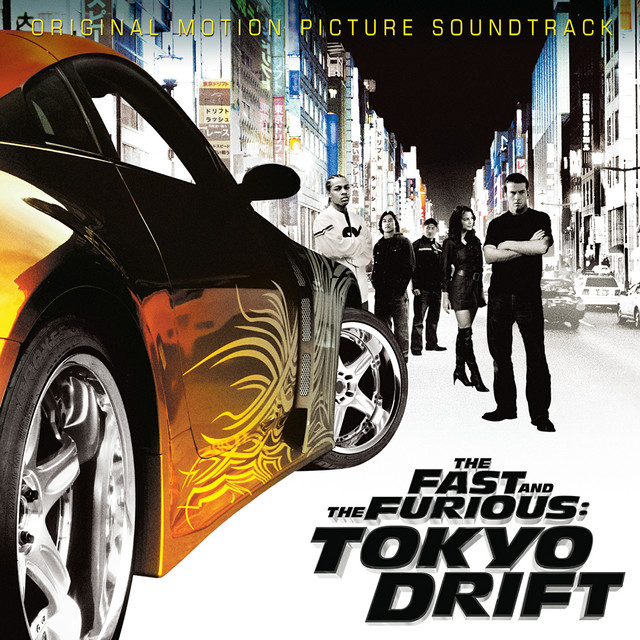
The Fast And The Furious: Tokyo Drift (Original Motion Picture Soundtrack)
Atari Teenage Riot
2006
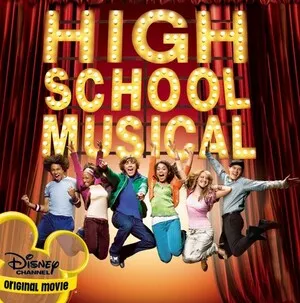
High School Musical
1995
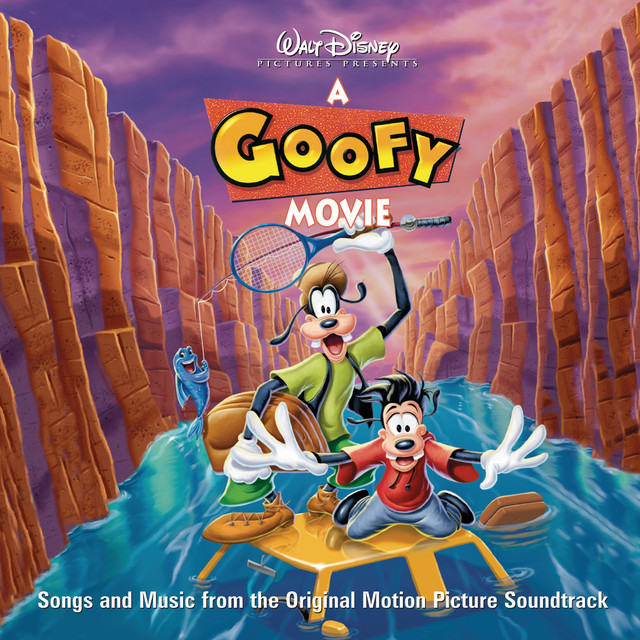
A Goofy Movie
Tevin Campbell
2020
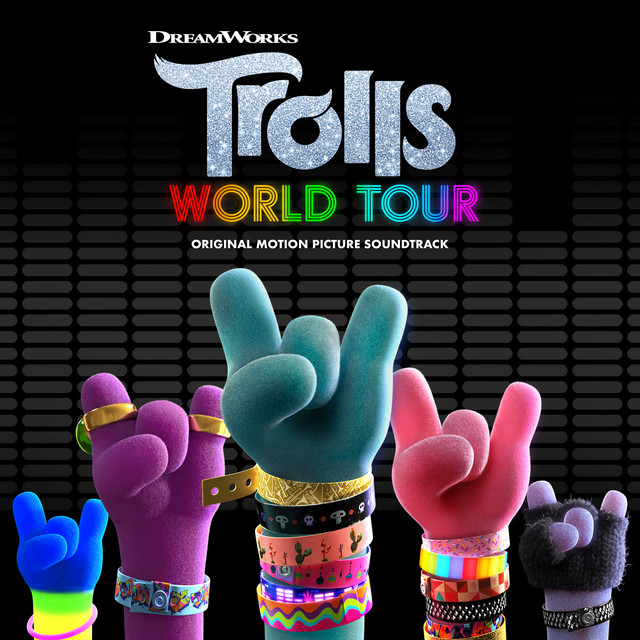
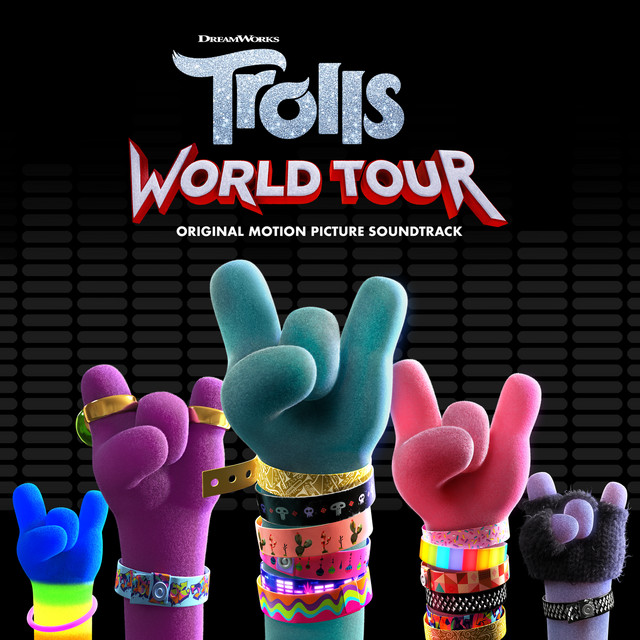
TROLLS World Tour (Original Motion Picture Soundtrack)
Anthony Ramos
2020
TROLLS World Tour (Original Motion Picture Soundtrack)
Anthony Ramos
2007
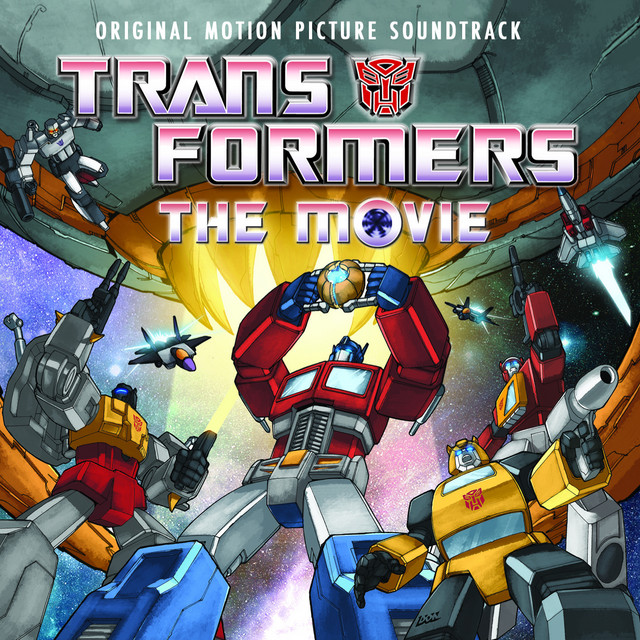
Transformers The Movie
Stan Bush
2009
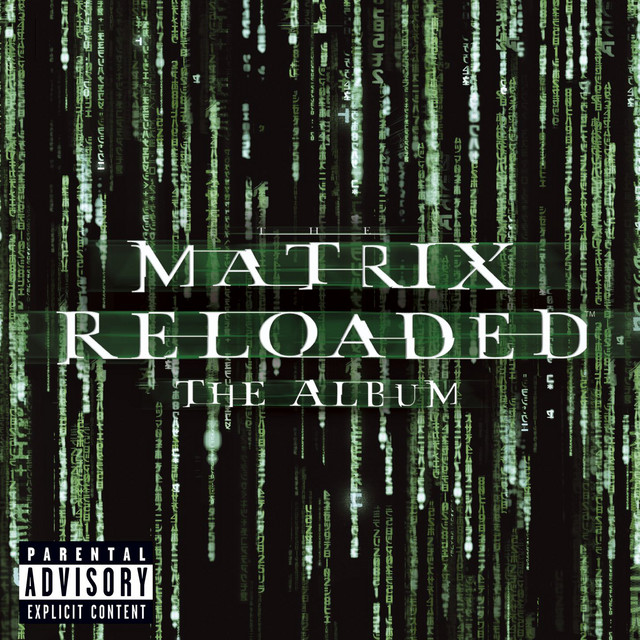
The Matrix Reloaded: The Album
Rob Dougan
2002
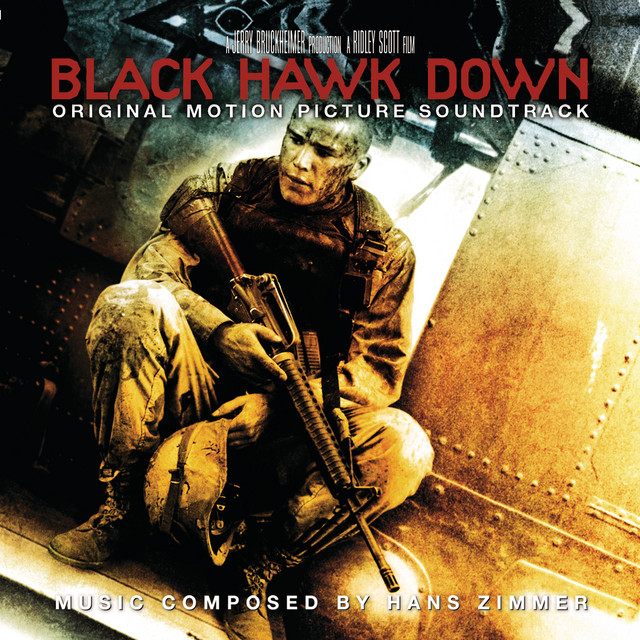
Black Hawk Down (Original Motion Picture Soundtrack)
Rachid Taha
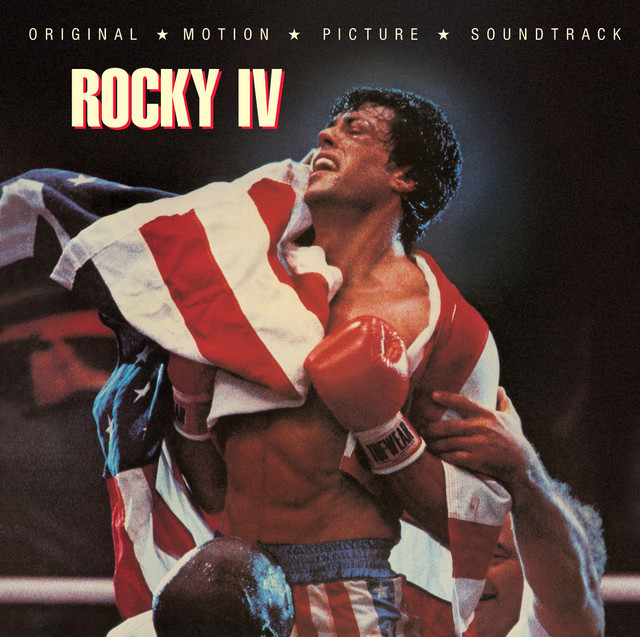
1985
Rocky IV
John Cafferty
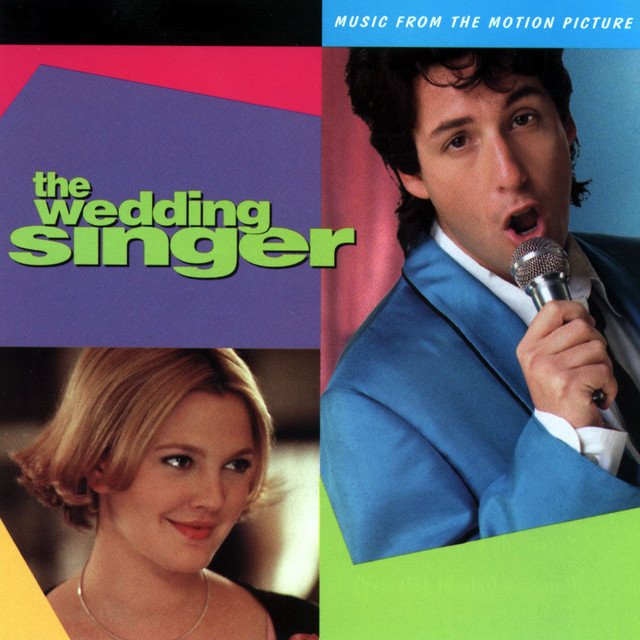
1998
The Wedding Singer (Music From The Motion Picture)
Adam Sandler
Download our mobile app
Get the Melodigging app and start digging for new genres on the go
Download on the App Store
Get it on Google Play
© 2026 Melodigging
Give feedback
Legal
Melodding was created as a tribute to
Every Noise at Once
, which inspired us to help curious minds keep digging into music's ever-evolving genres.