Genres
Make Music
Artists
Albums
Challenges
Sign in
Sign in
Albums
By Erasmo Carlos
Albums
By Erasmo Carlos
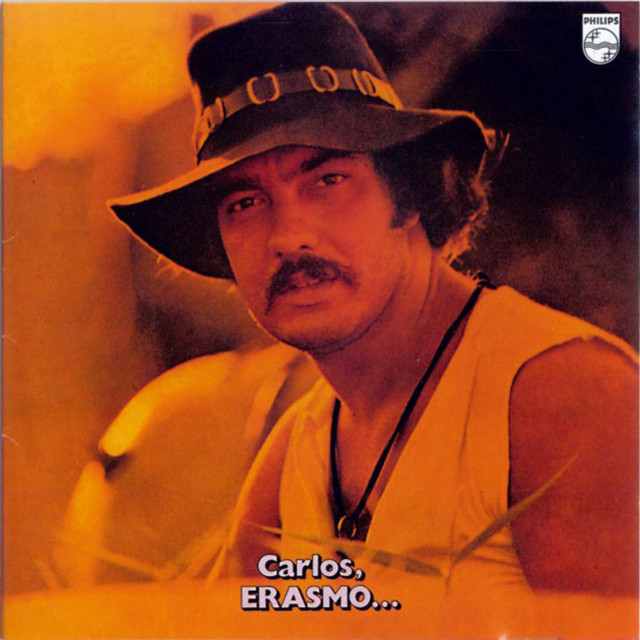
Carlos, Erasmo...
January 1, 1971
Listen
4
/5
Genres
Mpb
MPB (Música Popular Brasileira) is a broad Brazilian popular music movement that crystallized in the mid-1960s after bossa nova. It blends samba and other regional rhythms with jazz harmony, singer‑songwriter craft, and elements of contemporary pop and rock. The style is marked by sophisticated melodies, extended harmonies, inventive arrangements, and lyrically rich songs that often use poetry and metaphor. Many classic MPB works balance intimacy (voice and violão/nylon‑string guitar) with lush studio orchestration, drawing from samba‑canção, choro, baião, and frevo while engaging modern influences. Historically, MPB provided a platform for social commentary during Brazil’s military dictatorship, with artists employing allegory to navigate censorship. It remains a living tradition that continually renews itself through new generations (“nova MPB”).
Discover
Listen
Tropicália
Tropicália (also known as Tropicalismo) is a late‑1960s Brazilian movement that fused local popular and folkloric forms with global pop and rock, avant‑garde ideas, and mass‑media aesthetics. It treated culture with an "antropofagia" (cultural cannibalism) ethos—cheerfully absorbing and transforming foreign influences alongside Brazilian traditions. Musically, it blends samba and baião rhythms, bossa nova harmonies, psychedelic rock timbres, collage‑like arrangements, and orchestral color. Lyricists used irony, allegory, and vivid imagery to comment on modernity and politics under Brazil’s military dictatorship. The result is music that feels playful yet subversive, sophisticated yet immediate, and unmistakably Brazilian.
Discover
Listen
Jovem Guarda
Jovem Guarda is a Brazilian youth-oriented pop-rock movement that emerged in the mid-1960s, popularized by the TV program of the same name hosted by Roberto Carlos, Erasmo Carlos, and Wanderléa. Musically, it blends early rock and roll, Merseybeat, surf rock, yé-yé, and teen pop sensibilities with Portuguese lyrics and catchy, danceable rhythms. Often called iê‑iê‑iê in Brazil (a play on the Beatles’ “yeah‑yeah‑yeah”), the style is marked by simple, major‑key melodies, jangly and twangy electric guitars, handclaps, driving backbeats, and themes about love, fashion, cars, and youth culture. It helped normalize electric instruments and a pop‑rock aesthetic in Brazilian mainstream media during the 1960s.
Discover
Listen
Brazilian Music
Brazilian music is an umbrella term for the many popular and traditional styles that emerged from Brazil’s fusion of Indigenous, African, and Portuguese (Iberian) cultures. It is defined by rich rhythmic vocabularies (from samba’s syncopation to northeastern baião/forró grooves), melodically expressive singing, and harmonies that range from simple folk cadences to the jazz-inflected sophistication of bossa nova and MPB. Instruments such as the violão (nylon-string guitar), cavaquinho, pandeiro, surdo, cuíca, and berimbau sit alongside brass, woodwinds, and modern studio production. Under this umbrella lie internationally known styles like samba, choro, frevo, maracatu, bossa nova, MPB, forró, axé, pagode, sertanejo, and funk carioca (baile funk), each linking regional traditions to ongoing global exchanges.
Discover
Listen
Similar albums
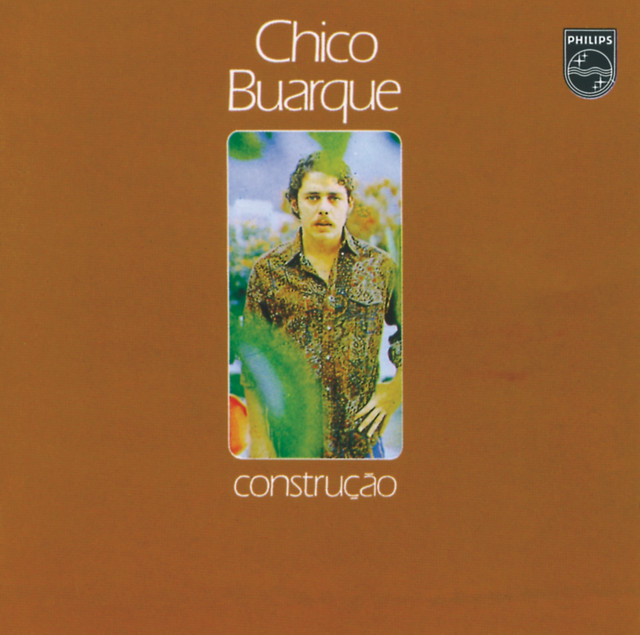
1971
Construção
Chico Buarque
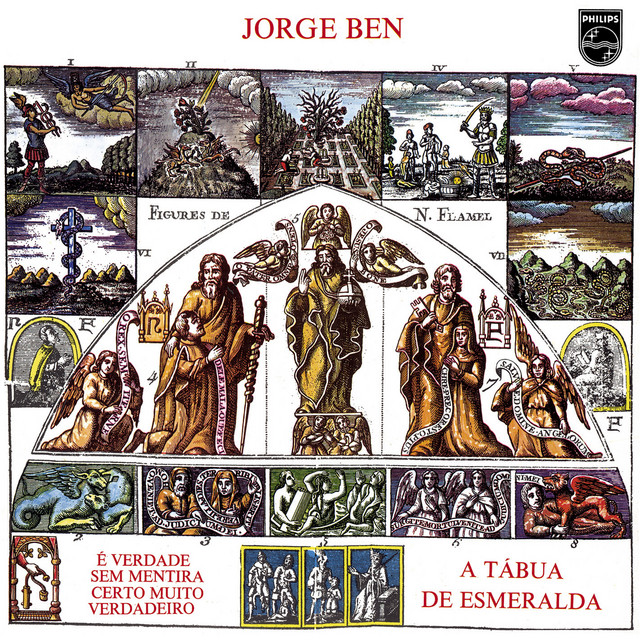
1974
A Tábua de Esmeralda
Jorge Ben
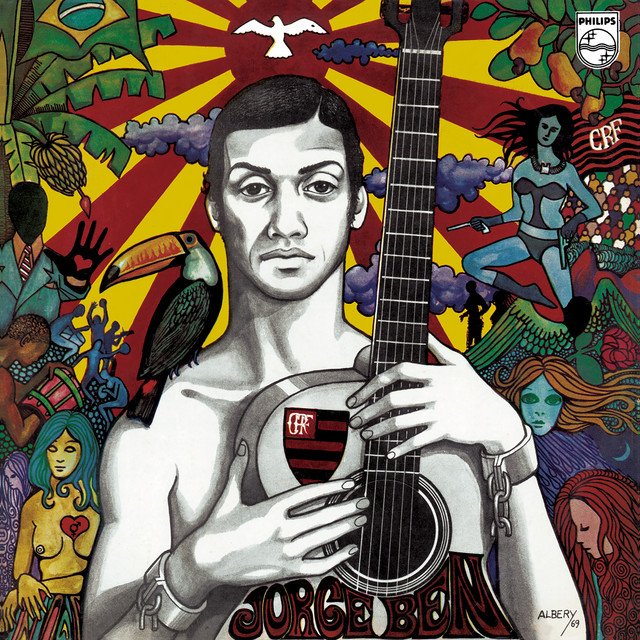
1969
Jorge Ben
Jorge Ben
1969
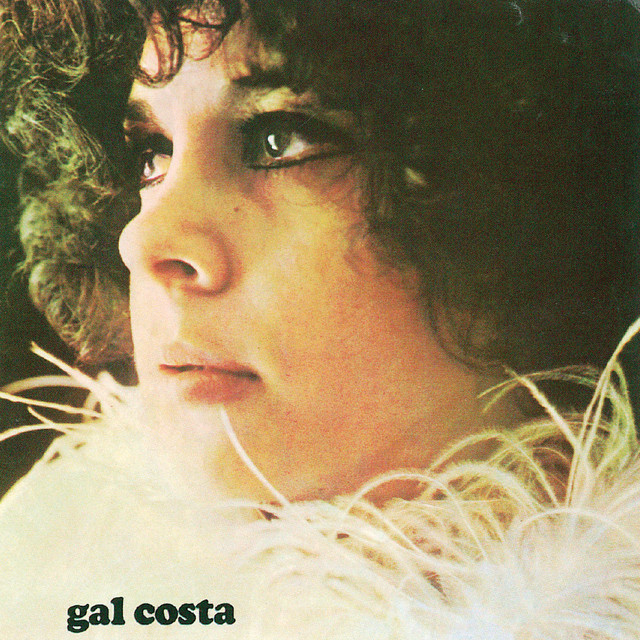
Gal Costa
Gal Costa
1976
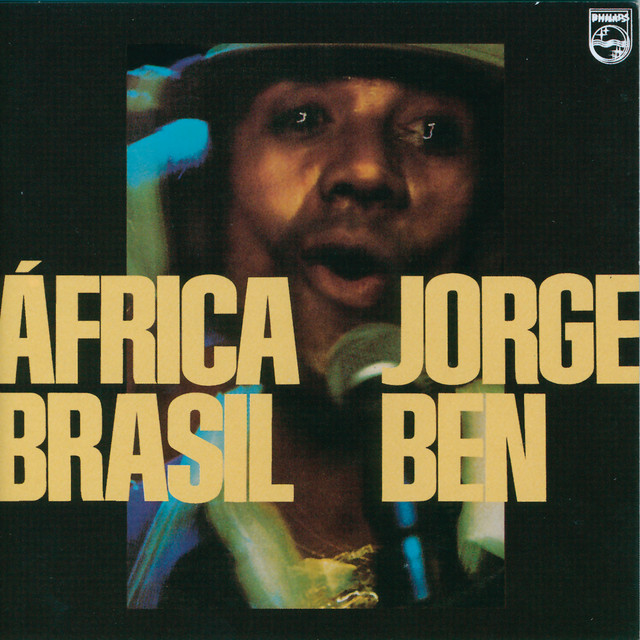
África Brasil
Jorge Ben
1968
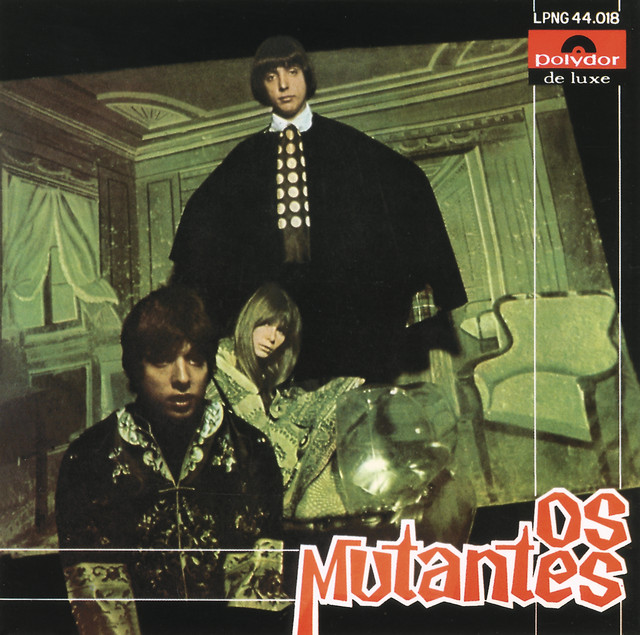
Os Mutantes
Os Mutantes
1970
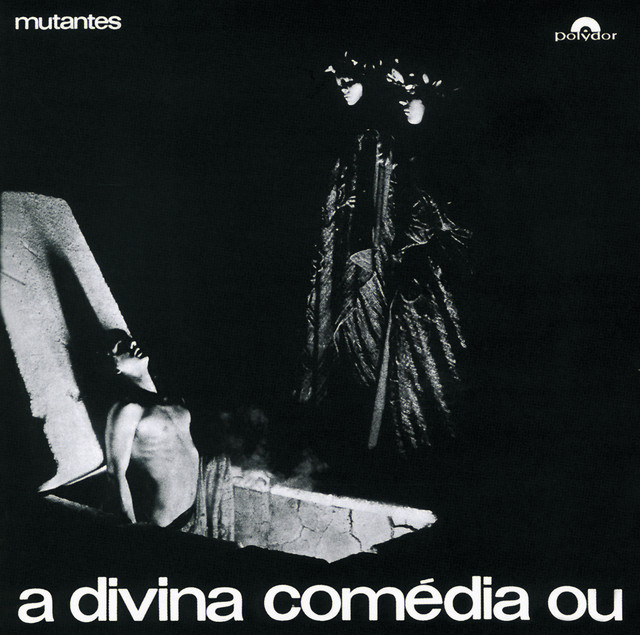
A divina comédia ou ando meio desligado
Mutantes
1968
Tropicália ou panis et circencis
1972
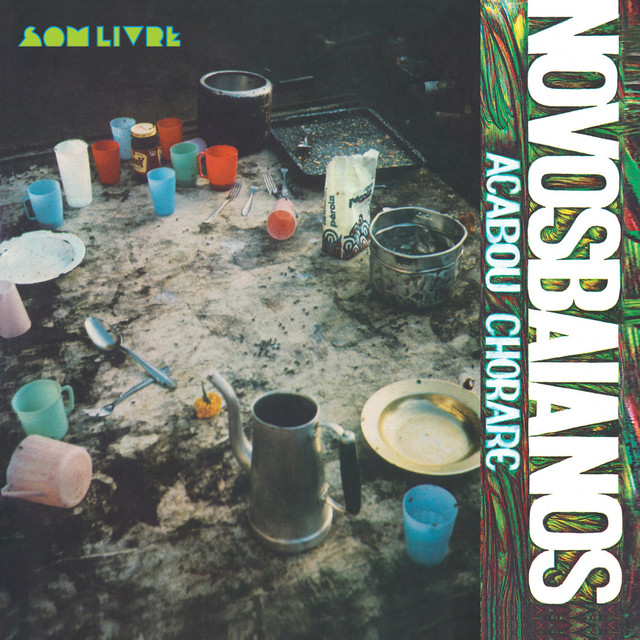
Acabou chorare
Novos Baianos
1974
Elis & Tom
Elis Regina & Antônio Carlos Jobim
Download our mobile app
Get the Melodigging app and start digging for new genres on the go
Download on the App Store
Get it on Google Play
© 2026 Melodigging
Give feedback
Legal
Melodding was created as a tribute to
Every Noise at Once
, which inspired us to help curious minds keep digging into music's ever-evolving genres.