Genres
Make Music
Artists
Albums
Challenges
Sign in
Sign in
Albums
By Okonkolo
Albums
By Okonkolo
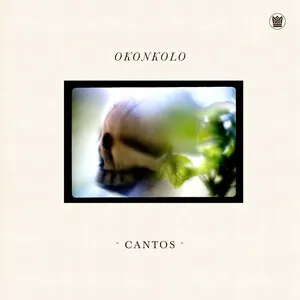
Cantos
July 27, 2018
Listen
1
/5
Genres
Santería Music
Santería music (música de la Regla de Ocha/Lucumí) is the sacred Afro‑Cuban repertoire used to venerate the orishas, blending Yoruba religious song and drumming with elements absorbed in colonial Cuba. It is characterized by polyrhythmic ensembles of batá drums (iyá lead drum, itótele, and okónkolo), iron bell (ogán), and beaded gourds (chekeré). Voices are organized in call‑and‑response between a lead singer (akpwón) and a chorus, sung in Lucumí (a Yoruba-derived liturgical language) with occasional Spanish refrains. Melodies are mostly syllabic and narrow in range, prioritizing rhythm, timbre, and ritual text over harmonic development. Performances center on codified rhythmic cycles (toques) and song suites associated with specific deities (e.g., Changó, Yemayá, Ochún, Elegguá, Ogún). In ceremonial contexts, the music serves divination, invocation, and possession trance, while public bembé gatherings and staged folkloric versions adapt the same vocabulary for secular presentation.
Discover
Listen
Cuban Music
Cuban music is the rich, syncretic musical tradition of Cuba, shaped by the meeting of Spanish/European song forms and West/Central African rhythms. Its heartbeat is the clave—a two-measure rhythmic cell (3–2 or 2–3) that organizes percussion, melody, and harmony across styles. From the contradanza and habanera of the 19th century to danzón, rumba, and son cubano in the early 20th century—and later mambo, cha-cha-chá, nueva trova, songo, and timba—Cuban music has continually reinvented itself while retaining its core Afro‑Cuban rhythmic language. Typical instruments include the tres (Cuban guitar), bongó, congas, timbales, güiro, maracas, cowbell, bass, piano (playing guajeos/montunos), and bright horn sections. Beyond the island, Cuban music has profoundly influenced global popular music—fueling the rise of salsa and Latin jazz and reshaping dance music worldwide—while continuing to honor deep connections to Yoruba/Lukumí religious drumming and Spanish lyrical traditions.
Discover
Listen
Yoruba Music
Yoruba music refers to the traditional and popular musical practices of the Yoruba people of southwestern Nigeria and neighboring regions. It is built on polyrhythmic drum ensembles, call‑and‑response vocals, and praise poetry (oríkì) that celebrates deities, lineages, and notable individuals. Core instruments include the dùndún (talking drum) family, bàtá drums used in Òrìṣà ceremonies, sẹ̀kẹ̀rẹ̀ (gourd rattle), agogô (iron bell), sakara (frame drum), omele (support drums), and agídìgbò (a box lamellophone/bass thumb piano). Melodies closely follow the tonal contours of the Yoruba language, while lead drummers “speak” phrases on pressure drums. Across the 20th century, Yoruba music provided the foundation for modern styles such as jùjú, apala, sakara, waka, and fuji, and strongly informed pan‑African and global genres like afrobeat and afrobeats.
Discover
Listen
Similar albums
1985
Bembé
Milton Cardona
1957
Drums and Chants
Mongo Santamaría
1951
Negro Folk Music of Africa and America
2013
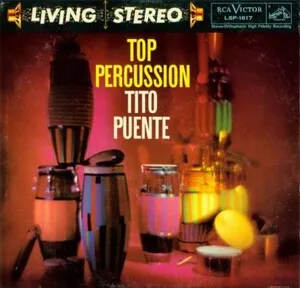
Top Percussion
Tito Puente
2011
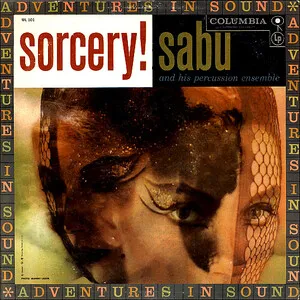
Sorcery!
Sabu and His Percussion Ensemble
2018
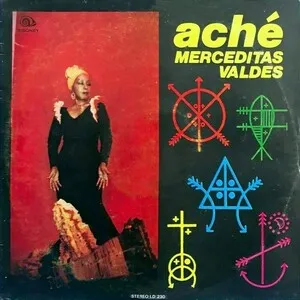
Aché
Merceditas Valdés
2005
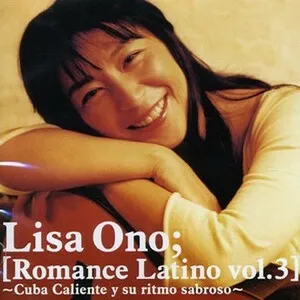
Romance latino vol.3: Cuba caliente y su ritmo sabroso
Lisa Ono
1996
Yo vengo aquí
Compay Segundo
1999
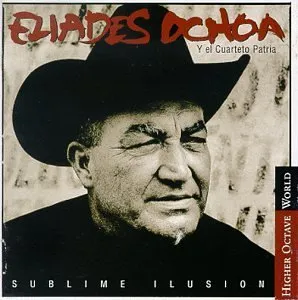
Sublime Ilusión
Eliades Ochoa / Cuarteto Patria
2000
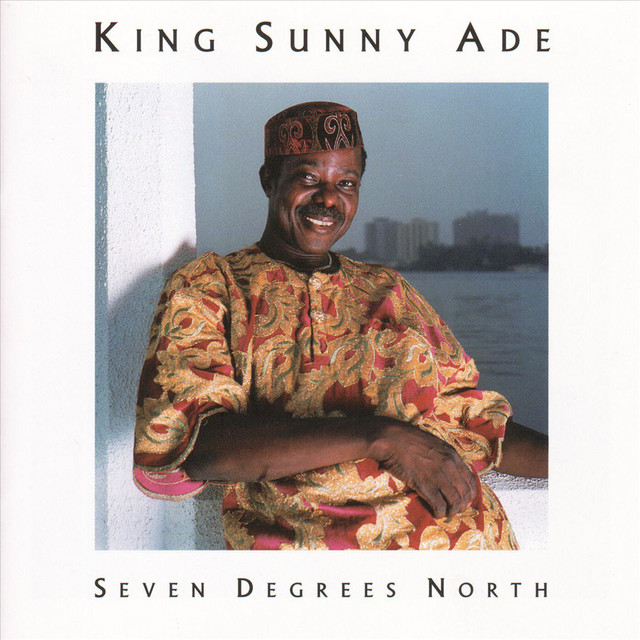
Seven Degrees North
King Sunny Adé
Download our mobile app
Get the Melodigging app and start digging for new genres on the go
Download on the App Store
Get it on Google Play
© 2026 Melodigging
Give feedback
Legal
Melodding was created as a tribute to
Every Noise at Once
, which inspired us to help curious minds keep digging into music's ever-evolving genres.