Genres
Make Music
Artists
Albums
Challenges
Sign in
Sign in
Albums
By Cesária Evora
Albums
By Cesária Evora
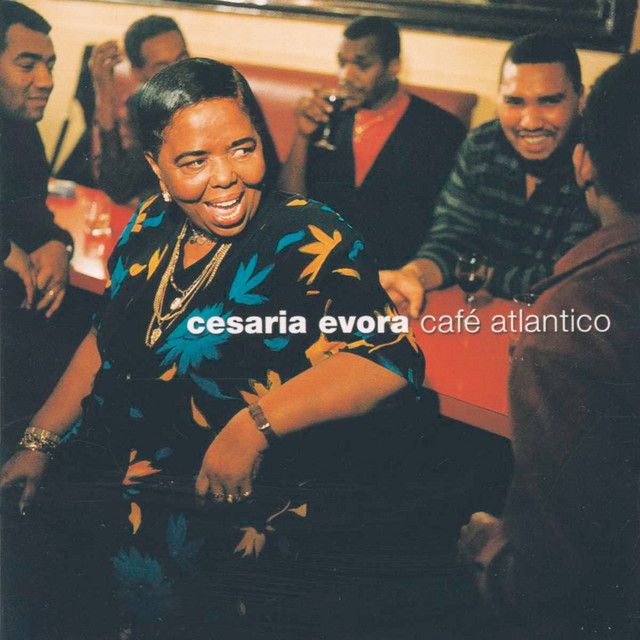
Café Atlantico
May 4, 1999
Listen
3
/5
Genres
Latin
Latin (as a genre label) is a broad umbrella used by the recording industry to categorize popular music rooted in Latin America, the Caribbean, and the Iberian world, often characterized by syncopated Afro-diasporic rhythms, dance-forward grooves, and lyrics primarily in Spanish or Portuguese. As a marketplace category that took shape in the mid-20th century United States, it gathers diverse traditions—Afro-Cuban, Brazilian, Mexican, and Caribbean styles—into a shared space. In practice, "Latin" spans everything from big-band mambo and bolero ballads to contemporary pop, rock, hip hop, and dance fusions produced by artists of Latin American heritage.
Discover
Listen
Twoubadou
Twoubadou is a Haitian acoustic song tradition rooted in small, portable ensembles that blend Cuban son/bolero phrasing with Haitian méringue and Dominican merengue dance feels. The music is intimate and lyrical, often performed by two or three guitars with hand percussion and rich, conversational vocals in Haitian Kreyòl. Characterized by lilting guajeo-like guitar patterns, maracas and scraper (graj) textures, and call-and-response choruses, twoubadou songs revolve around love, flirtation, social wit, and double entendre. The style is equally at home in street serenades, backyard parties, and hotel patios, where its light swing and mid-tempo grooves invite gentle dancing and close listening.
Discover
Listen
Coladeira
Coladeira is a mid‑tempo dance song form from Cape Verde that sits between the introspective morna and the high‑energy funaná. It typically uses a lively but relaxed 2/4 or 4/4 meter with a buoyant, syncopated groove, inviting swaying and partner dancing. Traditional ensembles revolve around acoustic guitar (violão), cavaquinho, bass, and light percussion, sometimes joined by violin, clarinet, or saxophone. Modern arrangements add drum set, keyboards, and horns for a polished, cosmopolitan sound. Harmonies are diatonic and song‑like (often I–IV–V with tasteful secondary dominants), supporting catchy, singable melodies. Lyrics—most often in Cape Verdean Creole—blend humor, social observation, and romance, offering playful storytelling rooted in island life and the diaspora experience.
Discover
Listen
Morna
Morna is the emblematic song genre of Cape Verde, often described as the archipelago’s equivalent of the blues. It is typically slow to moderate in tempo, performed with a lyrical, intimate vocal delivery, and rich, poetic texts in Cape Verdean Creole that dwell on sodade (longing), love, migration, the sea, and island life. Musically, morna favors minor keys and bittersweet harmonies, with guitar-led accompaniment that interweaves arpeggios and gentle counter-melodies. Its rhythmic feel can reflect a subtle habanera lilt or a waltz-like sway, yet remains understated and supple, allowing the singer’s phrasing to breathe. Over time, composers expanded its harmony with chromatic “passagens” (passing chords and brief modulations), while keeping the style’s core intimacy intact.
Discover
Listen
Similar albums
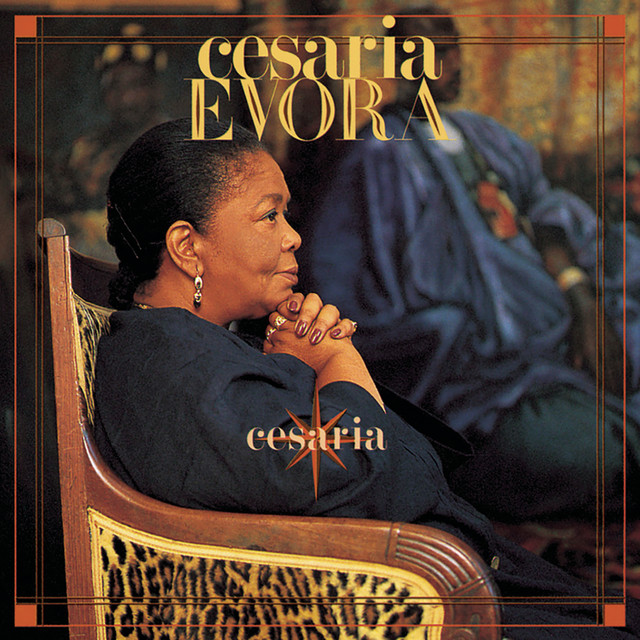
1995
Cesaria
Cesária Évora
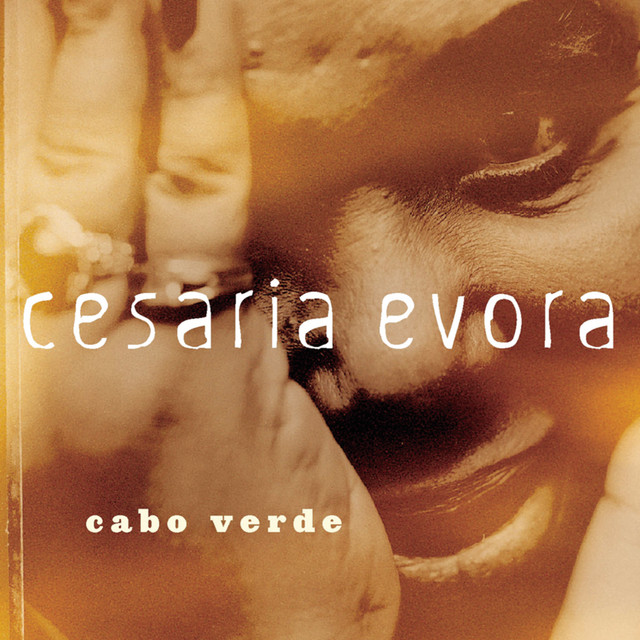
1997
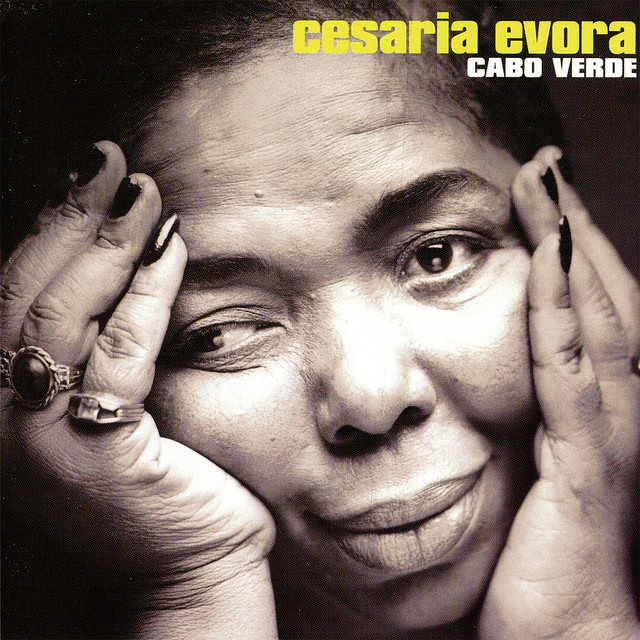
Cabo Verde
Cesária Evora
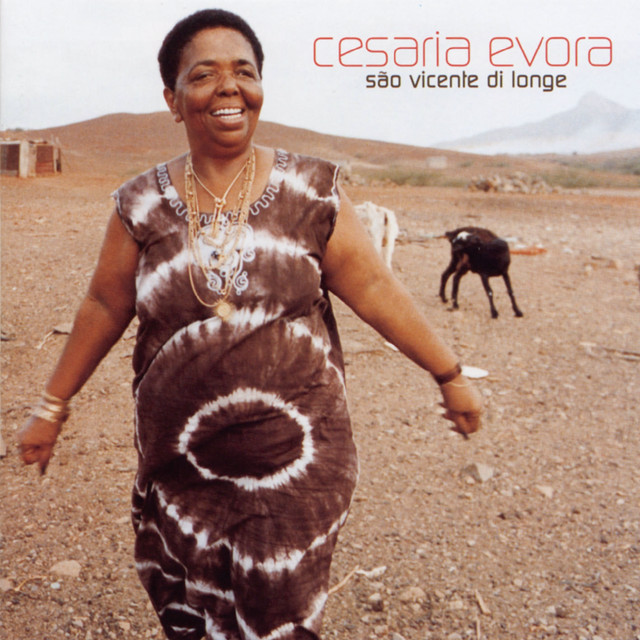
2001
São Vicente di Longe
Cesária Évora
2002
Anthologie
Cesária Evora
1997
Cabo Verde
Cesária Évora
2003
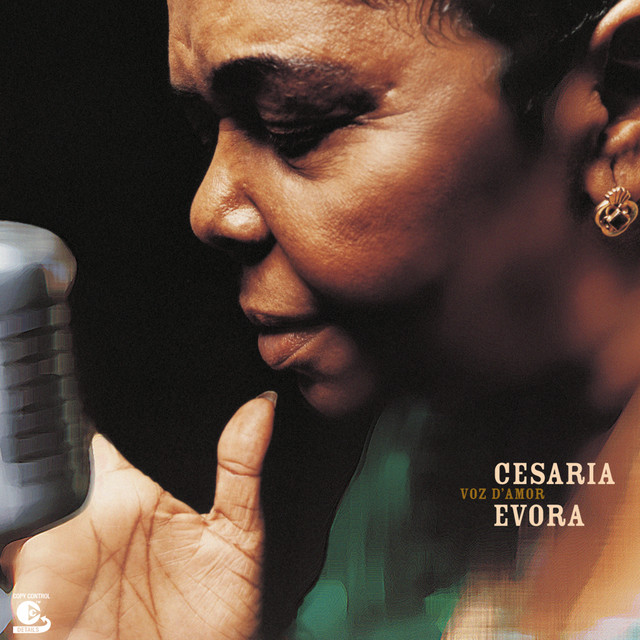
Voz d'Amor
Cesária Évora
2006
Rogamar
Cesária Évora
1999
Live in Lisbon
Tito Paris
1992
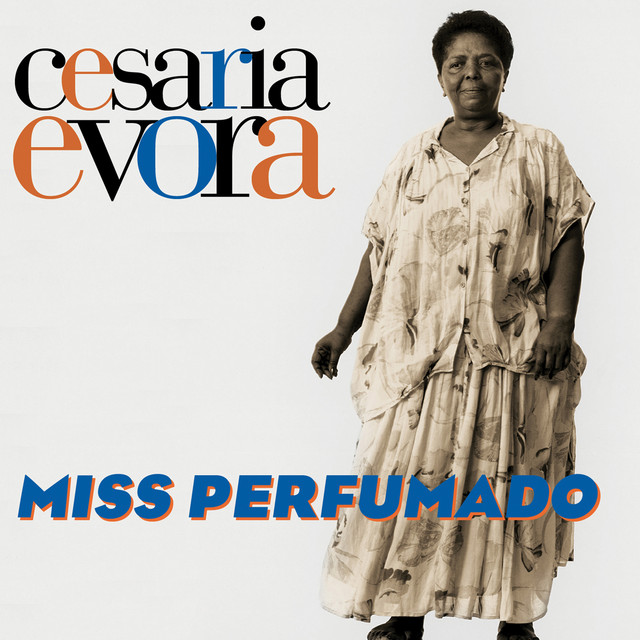
Miss Perfumado
Cesária Evora
1998
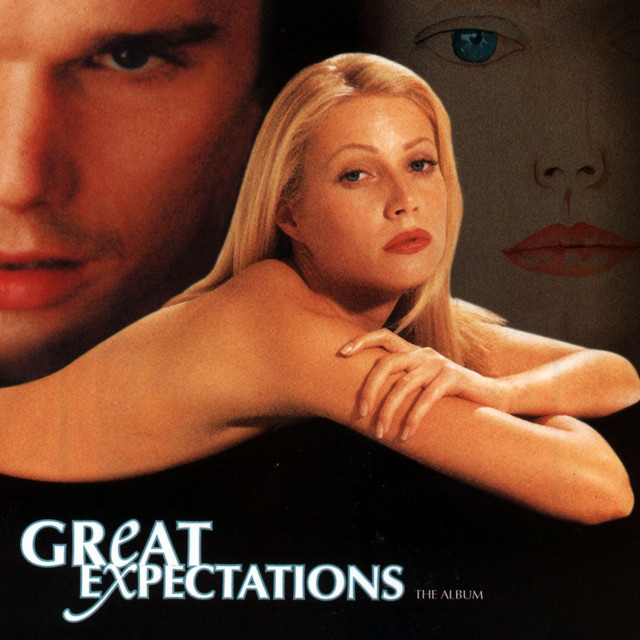
Great Expectations
Cesária Evora
Download our mobile app
Get the Melodigging app and start digging for new genres on the go
Download on the App Store
Get it on Google Play
© 2026 Melodigging
Give feedback
Legal
Melodding was created as a tribute to
Every Noise at Once
, which inspired us to help curious minds keep digging into music's ever-evolving genres.