Czech folk music encompasses the traditional song and dance repertories of Bohemia, Moravia, and Czech Silesia, shaped by centuries of village life, seasonal rituals, and local dialects.
It features lively dance rhythms such as polka, furiant, sousedská, skočná, and mazurka, and it is performed by fiddle-led bands and cimbalom ensembles with distinctive regional colors.
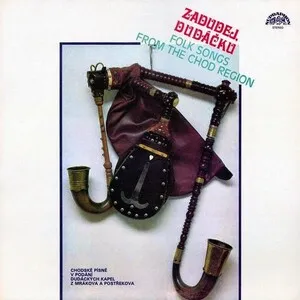
Typical instruments include the cimbalom (hammered dulcimer), violins with a lead primáš, viola (kontra), double bass (basa), clarinet, bagpipes (dudy), hurdy-gurdy (ninera), and accordion, often supporting robust group singing.
Melodies lean on major and minor modes with modal flavors (Dorian, Mixolydian), heterophonic textures, and ornamented fiddling, while lyrics address love, work, nature, recruiting (e.g., verbuňk), and festive customs such as Christmas carols (koledy).