Genres
Make Music
Artists
Albums
Challenges
Sign in
Sign in
Albums
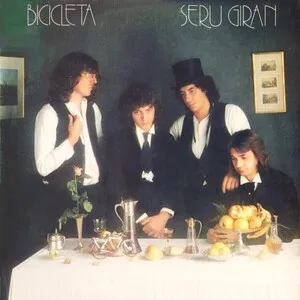
By Serú Girán
Albums
By Serú Girán
Bicicleta
November 1, 1980
Listen
3
/5
Genres
Progressive Pop
Progressive pop is a fusion of pop music’s immediacy and hooks with the structural ambition, harmonic richness, and conceptual scope associated with progressive rock and art rock. It favors memorable choruses and radio-friendly melodies while incorporating expanded song forms, key changes, non-diatonic harmony, occasional odd meters, orchestral timbres, and studio experimentation. The result is music that feels accessible on the surface yet reveals layered arrangements, narrative or conceptual lyrics, and sophisticated production choices on closer listening.
Discover
Listen
Progressive Rock
Progressive rock is a rock subgenre that expands the genre’s formal, harmonic, and conceptual boundaries. It favors long-form compositions, intricate arrangements, and virtuosic musicianship, often drawing on Western classical, jazz, folk, and psychedelic idioms. Typical hallmarks include multi-part suites, shifting time signatures, extended instrumental passages, recurring motifs, and concept albums that present unified themes or narratives. The sound palette commonly features electric guitar, bass, and drums alongside an array of keyboards (Hammond organ, Mellotron, Moog/ARP synthesizers, piano), woodwinds or brass, and occasional orchestral additions. Lyrics often explore science fiction, mythology, philosophy, social commentary, and introspective themes.
Discover
Listen
Rock
Rock is a broad family of popular music centered on amplified instruments, a strong backbeat, and song forms that foreground riffs, choruses, and anthemic hooks. Emerging from mid‑20th‑century American styles like rhythm & blues, country, and gospel-inflected rock and roll, rock quickly expanded in scope—absorbing folk, blues, and psychedelic ideas—while shaping global youth culture. Core sonic markers include electric guitar (often overdriven), electric bass, drum kit emphasizing beats 2 and 4, and emotive lead vocals. Rock songs commonly use verse–chorus structures, blues-derived harmony, and memorable melodic motifs, ranging from intimate ballads to high‑energy, stadium‑sized performances.
Discover
Listen
Jazz
Jazz is an improvisation-centered music tradition that emerged from African American communities in the early 20th century. It blends blues feeling, ragtime syncopation, European harmonic practice, and brass band instrumentation into a flexible, conversational art. Defining features include swing rhythm (a triplet-based pulse), call-and-response phrasing, blue notes, and extended harmonies built on 7ths, 9ths, 11ths, and 13ths. Jazz is as much a way of making music—spontaneous interaction, variation, and personal sound—as it is a set of forms and tunes. Across its history, jazz has continually hybridized, from New Orleans ensembles and big-band swing to bebop, cool and hard bop, modal and free jazz, fusion, and contemporary cross-genre experiments. Its influence permeates global popular and art music.
Discover
Listen
Similar albums
1969
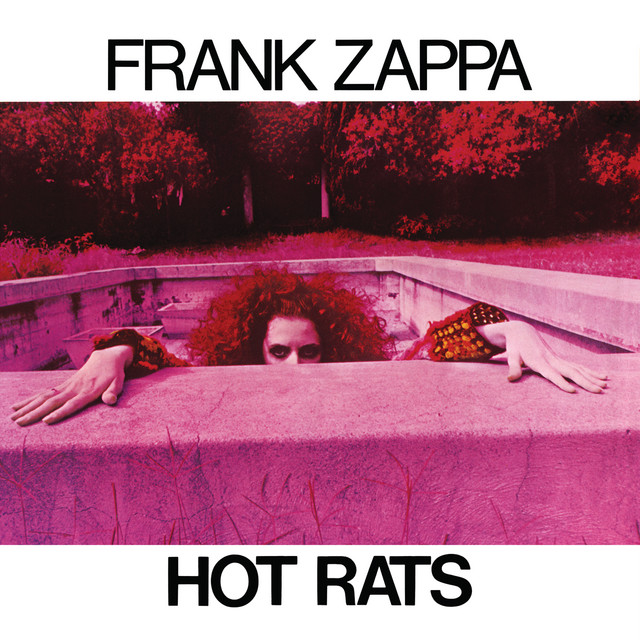
Hot Rats
Frank Zappa
1983
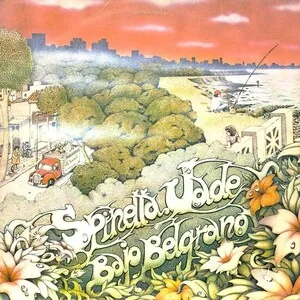
Bajo Belgrano
Spinetta Jade
1972
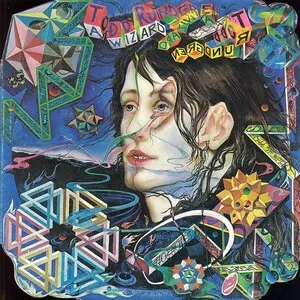
A Wizard / A True Star
Todd Rundgren
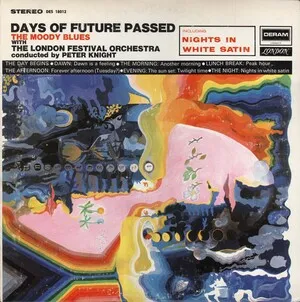
1967
Days of Future Passed
The Moody Blues with The London Festival Orchestra
1974
Borboletta
Santana
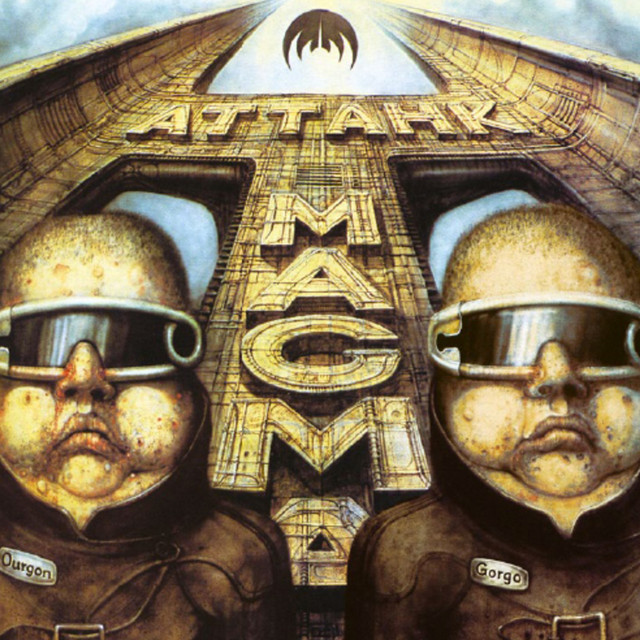
1978
Attahk
Magma
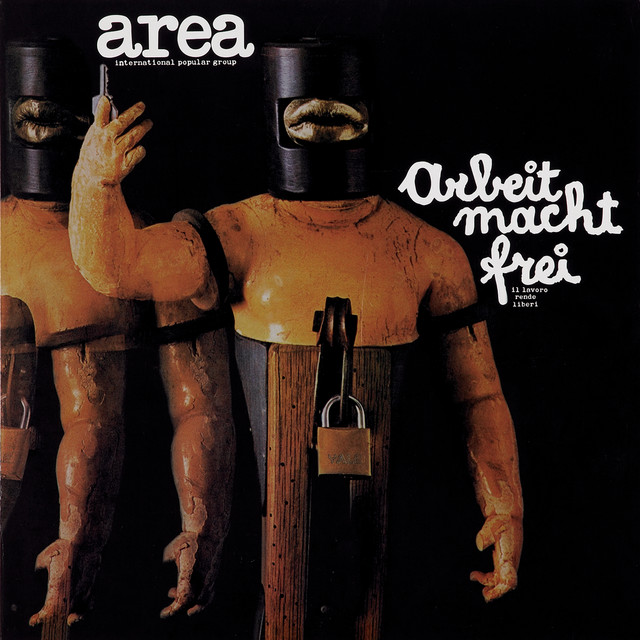
1973
Arbeit Macht Frei
Area
1970
Måltid
Samla Mammas Manna
2005
Angherr Shisspa Revisited
Koenjihyakkei
1975
Live (Remastered)
Magma
Download our mobile app
Get the Melodigging app and start digging for new genres on the go
Download on the App Store
Get it on Google Play
© 2026 Melodigging
Give feedback
Legal
Melodding was created as a tribute to
Every Noise at Once
, which inspired us to help curious minds keep digging into music's ever-evolving genres.