Genres
Make Music
Artists
Albums
Challenges
Sign in
Sign in
Albums
By Sylvia La Torre
Albums
By Sylvia La Torre
Balitaw
February 14, 2012
Listen
1
/5
Genres
Filipino Rondalla
Filipino rondalla is a plucked-string ensemble tradition featuring instruments such as the bandurria (soprano), octavina or laúd (alto/tenor), guitar (rhythm/harmony), and a bass (double bass or bajo de uñas). It is performed with plectrums, and a signature shimmering sound comes from sustained tremolo picking and tightly voiced counter-melodies. Emerging during the late Spanish colonial era and flourishing in the early American period, the rondalla became a default sound for Philippine folk dances, serenades, and community festivities. Its repertoire spans arrangements of Spanish-derived dances (jota, fandango, pasodoble), Filipino love songs (harana, kundiman), folk dances (tinikling, pandanggo, balse, cariñosa), and contemporary medleys, often rendered with lyrical melodies, diatonic harmony, and buoyant dance rhythms.
Discover
Listen
Balitaw
Balitaw is a traditional Visayan song-and-dance dialogue from the Philippines, typically performed as a witty, flirtatious debate between a man and a woman. The two singers trade extemporized verses that court, tease, and challenge each other, often accompanied by guitar or a rondalla ensemble (bandurria, laud, octavina, guitar, and bass). Musically, balitaw commonly uses moderate tempos in either a lilting 3/4 (waltz-like) meter or a habanera-like 2/4 with a dotted rhythmic feel. The harmony is diatonic and songful, favoring simple I–IV–V progressions, while the delivery relies on clear diction, rhetorical flourish, and playful repartee. As a social performance at fiestas and community gatherings, balitaw is at once courtship ritual, poetic contest, and popular entertainment. Many beloved Visayan songs are sung in the balitaw style, which helped bridge folk tradition and later Filipino popular music on radio and records.
Discover
Listen
Philippine Music
Philippine music is a broad umbrella that spans indigenous Austronesian traditions, centuries of Hispanic and church-influenced forms, and a modern spectrum of pop, rock, hip hop, and R&B known collectively as OPM (Original Pilipino Music). At one end are precolonial and Islamic-court musics such as kulintang gong-chime ensembles in Mindanao and Sulu, bamboo and nose-flute repertories, and epic-chant traditions—relying on cyclical rhythms, interlocking patterns, and modal scales. From the Spanish era came guitar-centered serenades (harana), art song (kundiman), and the rondalla string orchestra, blending Iberian harmony with Filipino melodic sensibility. In the 20th century, American and global influences catalyzed jazz bands, Manila Sound, Pinoy rock, and contemporary P-pop, while Tagalog, Cebuano, Ilocano, Kapampangan, and other languages remained central to lyrical identity. Across all eras, Philippine music emphasizes memorable melody, lyrical directness, danceable and flexible rhythms, and a penchant for romantic and nostalgic expression that coexists with socially conscious songwriting.
Discover
Listen
Similar albums
1991
Monitor Presents Bayanihan Philippine Dance Company
Bayanihan Philippine Dance Company
1958
Philippine Folk Dances
Juan Silos, Jr. and His Rondalla
2009
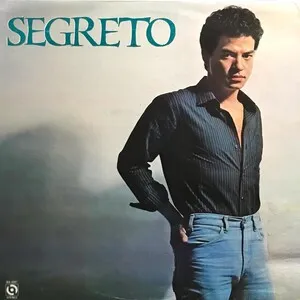
Segreto
Ric Segreto
2008
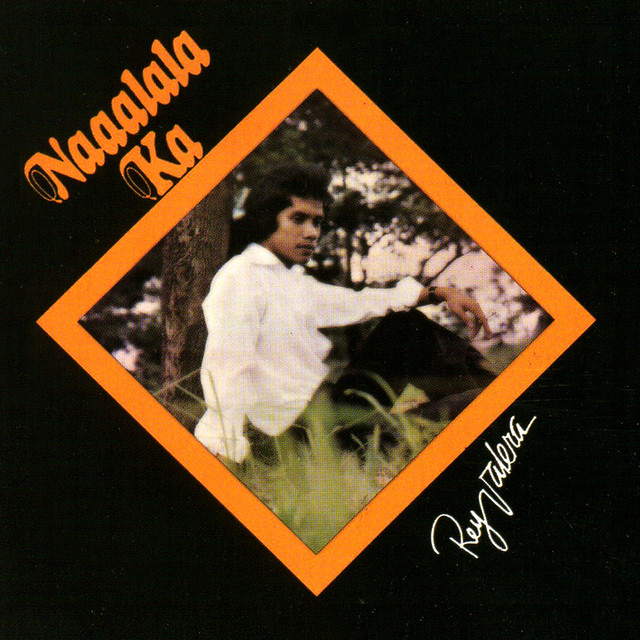
Naaalala Ka
Rey Valera
1964
Christmas in the Philippines
Bayanihan Philippine Dance Company
2009
Ako at si Celeste
Celeste Legaspi
2004
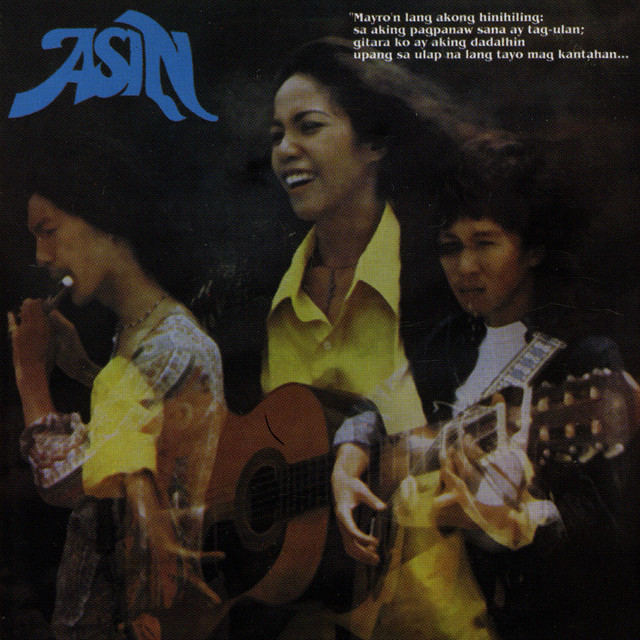
Asin
Asin
2009
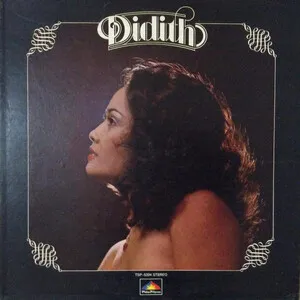
Didith
Didith Reyes
1962
Halina't Umawit
Mabuhay Singers
2006
Harana
Ruben Tagalog
Download our mobile app
Get the Melodigging app and start digging for new genres on the go
Download on the App Store
Get it on Google Play
© 2026 Melodigging
Give feedback
Legal
Melodding was created as a tribute to
Every Noise at Once
, which inspired us to help curious minds keep digging into music's ever-evolving genres.