Genres
Make Music
Artists
Albums
Challenges
Sign in
Sign in
Albums
By Scarcity
Albums
By Scarcity
Aveilut
July 15, 2022
Listen
1
/5
Genres
Dissonant Black Metal
Dissonant black metal is a branch of black metal defined by deliberately atonal, interval‑clashing guitar work (minor seconds, tritones, clustered dyads), a cleaner and more surgical production than the classic second‑wave template, and complex, often through‑composed song forms. Instead of consonant tremolo motifs, riffs intertwine in contrary motion and chromatic voice‑leading, while drums pivot between high‑velocity blasts and fractured, off‑kilter figures. Vocals are typically rasped or incantatory, and lyrics lean toward metaphysical, theological, or esoteric themes. The overall effect is tense, vertiginous, and cerebral—black metal’s bleak atmosphere reimagined with modernist harmonic language.
Discover
Listen
Totalism
Totalism is a postminimalist current in American contemporary composition that emerged in New York City at the turn of the 1990s. It pairs minimalism’s driving repetition and clear harmonies with the simultaneous layering of contrasting tempos, meters, and rhythmic cycles. Where classic minimalism often favors a single steady pulse, totalism embraces multiple, coexisting pulses—often in rational tempo ratios (such as 3:2, 4:3, 5:4)—to create grooves that are both propulsive and metrically intricate. Its sound world frequently mixes amplified chamber ensembles with rock instrumentation (drum set, electric guitar and bass) and draws rhythmic inspiration from rock, funk, and global polyrhythms. Aesthetically, totalism sought a middle path between the austerity of modernist complexity and the smooth surfaces of early minimalism: music that is visceral and loud, yet intellectually and rhythmically detailed.
Discover
Listen
Black Metal
Black metal is a form of extreme metal defined by fast tempos, tremolo‑picked guitar lines, blast‑beat drumming, shrieked or rasped vocals, and a deliberately raw, icy production aesthetic. Harmonically, it favors minor and modal collections (especially Aeolian and Phrygian), open-string drones, parallel fifths and fourths, tritones, and sparse or suspended chord voicings over blues-derived harmony. Arrangements often employ layered guitars, long-form song structures, and enveloping reverb to create a bleak, otherworldly atmosphere. The genre’s visual and thematic language is equally distinctive: corpse paint, monochrome artwork, and lyrics exploring anti-dogma, nature, pagan myth, cosmic nihilism, and misanthropy. While some scenes have been associated with controversy and extremism, the musical identity centers on sound, atmosphere, and aesthetics rather than any single ideology.
Discover
Listen
Post-Minimalism
Post-minimalism is a strand of contemporary classical music that grows out of 1960s minimalism but permits greater harmonic variety, expressive shaping, and formal narrative. It retains hallmarks such as steady pulse, repetitive patterns, and clear tonal or modal centers, yet loosens strict process rules, welcomes richer orchestration, and often draws on influences from rock, jazz, and non-Western musics. Compared with early minimalism’s austere procedures, post-minimalist works tend to feature long-arching climaxes, brighter triadic harmony, layered ostinati, and dynamic textural changes, yielding music that can be both hypnotic and overtly dramatic. The style appears in concert works, opera, chamber music, and film, where its driving pulse and luminous harmonies translate into compelling narrative momentum.
Discover
Listen
Metal
Metal (often used to mean heavy metal in its broad, umbrella sense) is a loud, guitar-driven style of rock defined by high-gain distortion, emphatic and often martial rhythms, and a dense, powerful low end. It foregrounds riff-based songwriting, dramatic dynamics, virtuosic guitar solos, and commanding vocals that range from melodic wails to aggressive snarls and growls. Harmonically, metal favors minor modes, modal color (Aeolian, Phrygian), chromaticism, and tritone-inflected tension, while thematically it explores power, mythology, the occult, social critique, fantasy, and existential subjects. While adjacent to hard rock, metal typically pushes amplification, distortion, precision, and thematic intensity further, forming a foundation for many specialized subgenres.
Discover
Listen
Experimental
Experimental music is an umbrella term for practices that prioritize exploration, process, and discovery over adherence to established genre norms. It embraces new sound sources, nonstandard tuning systems, indeterminacy and chance operations, graphic and open-form scores, extended techniques, and technology-led sound design (tape, electronics, computers, and live processing). Rather than a single style, it is a methodology and ethos: testing hypotheses about sound, structure, and performance, often blurring boundaries between composition, improvisation, sound art, and performance art. Listeners can expect unfamiliar timbres, unusual forms, and an emphasis on how music is made as much as the resulting sound.
Discover
Listen
Similar albums
2023
93696
Liturgy
2019
H.A.Q.Q.
Liturgy
2007
Fractal Possession
Abigor
2023
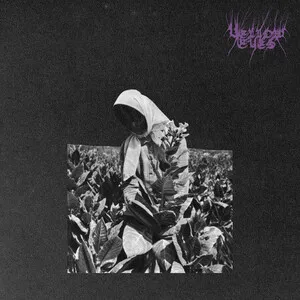
Master's Murmur
Yellow Eyes
2024
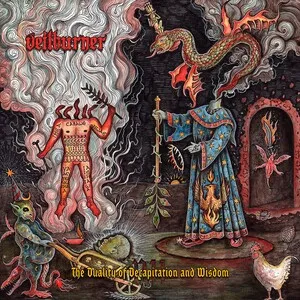
The Duality of Decapitation and Wisdom
Veilburner
2008
Veritas Diaboli manet in aeternum
Deathspell Omega / S.V.E.S.T.
2017
V: The Inside Scriptures
Aosoth
2024
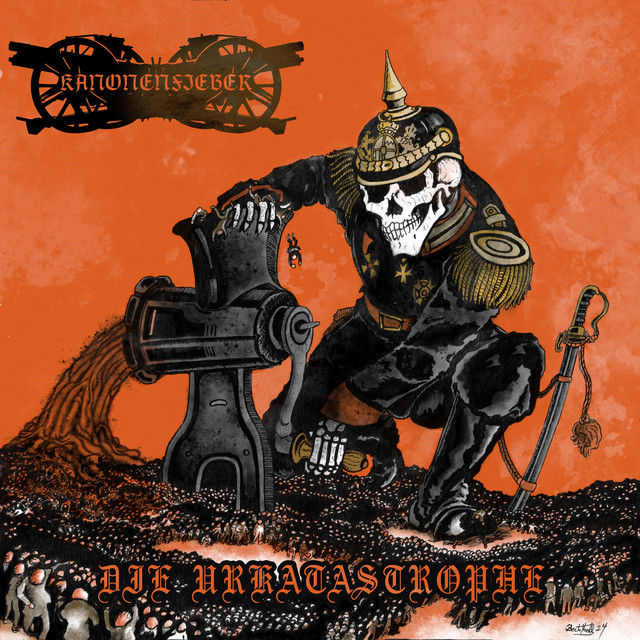
Die Urkatastrophe
Kanonenfieber
2024
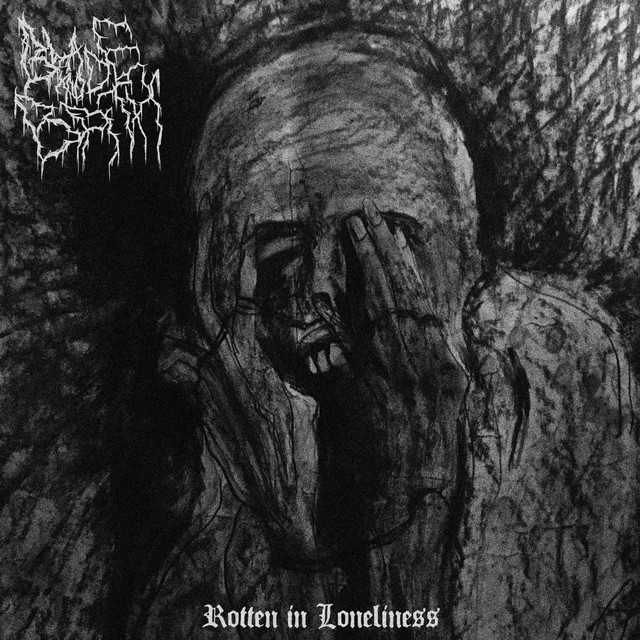
Rotten in Loneliness
Blade and Bath
1996
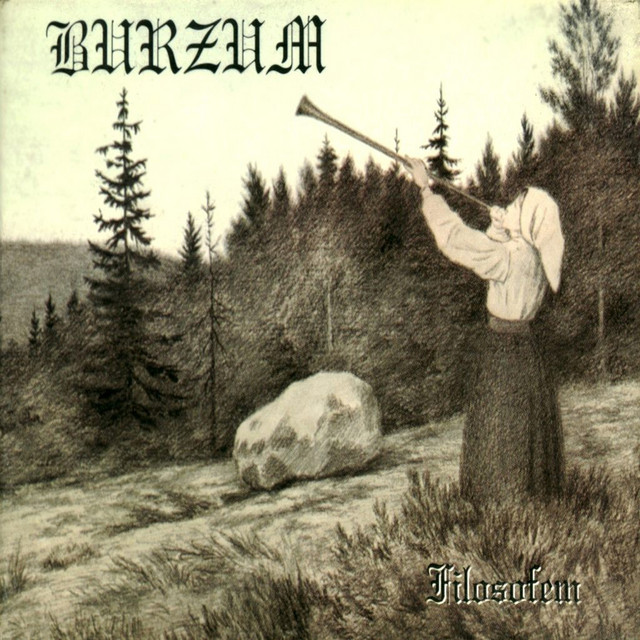
Filosofem
Burzum
Download our mobile app
Get the Melodigging app and start digging for new genres on the go
Download on the App Store
Get it on Google Play
© 2026 Melodigging
Give feedback
Legal
Melodding was created as a tribute to
Every Noise at Once
, which inspired us to help curious minds keep digging into music's ever-evolving genres.