Genres
Make Music
Artists
Albums
Challenges
Sign in
Sign in
Albums
By Akercocke
Albums
By Akercocke
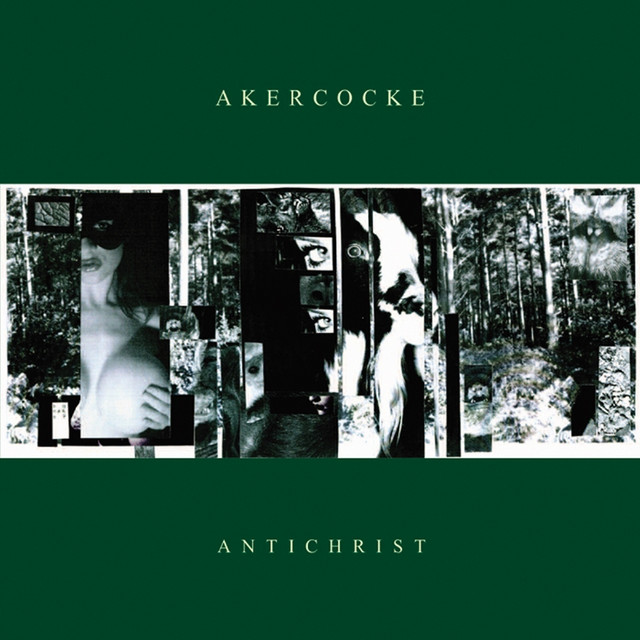
Antichrist
2007
Listen
2
/5
Genres
Progressive Black Metal
Progressive black metal is a style of black metal that retains the genre’s core extremity—tremolo-picked riffing, harsh vocals, blast beats, and bleak atmospheres—while integrating progressive music traits. It commonly features longer song structures, frequent tempo and meter changes, expanded harmonic vocabulary, and a wider palette of textures (clean guitars, keyboards, jazz-influenced chords, or post-rock dynamics). Compared with orthodox black metal, it often prioritizes compositional development and narrative flow over strict minimalism, while still aiming for a cold, dramatic, or transcendent emotional impact.
Discover
Listen
Blackened Death Metal
Blackened death metal fuses the ferocity, low‑tuned heft, and technical riffing of death metal with the icy tremolo lines, blast‑driven urgency, and occult atmosphere of black metal. The result is a dense, aggressive sound marked by relentless speed, layered guitars, and a stark, often ritualistic mood. Vocals typically alternate between cavernous death growls and rasping black‑metal shrieks. Drums emphasize blast beats, double‑kick barrages, and sudden tempo pivots, while guitars move between chromatic death‑metal riffing and long, minor‑key tremolo phrases. Lyrical themes commonly draw on Satanism, occultism, anti‑cosmic or apocalyptic narratives, and blasphemous or esoteric imagery. Production ranges from raw and abrasive to highly polished and symphonic, depending on the artistic intent.
Discover
Listen
Death Metal
Death metal is an extreme subgenre of heavy metal defined by heavily distorted, low‑tuned guitars, rapid and complex riffing, blast beat drumming, and harsh guttural vocals. Its harmonic language favors chromaticism, dissonance, and tremolo-picked lines that create an ominous, abrasive atmosphere. Lyrically, death metal often explores dark or transgressive themes—mortality, mythology, anti-religion, psychological horror, and the macabre—sometimes with philosophical or social commentary. Production ranges from raw and cavernous to hyper-precise and technical, reflecting the genre’s many regional scenes and substyles. From the mid‑1980s Florida scene (Tampa) and parallel developments in the US, UK, and Sweden, death metal evolved into numerous branches including brutal death metal, technical death metal, melodic death metal, and death‑doom, each emphasizing different aspects of speed, complexity, melody, or heaviness.
Discover
Listen
Rock
Rock is a broad family of popular music centered on amplified instruments, a strong backbeat, and song forms that foreground riffs, choruses, and anthemic hooks. Emerging from mid‑20th‑century American styles like rhythm & blues, country, and gospel-inflected rock and roll, rock quickly expanded in scope—absorbing folk, blues, and psychedelic ideas—while shaping global youth culture. Core sonic markers include electric guitar (often overdriven), electric bass, drum kit emphasizing beats 2 and 4, and emotive lead vocals. Rock songs commonly use verse–chorus structures, blues-derived harmony, and memorable melodic motifs, ranging from intimate ballads to high‑energy, stadium‑sized performances.
Discover
Listen
Similar albums
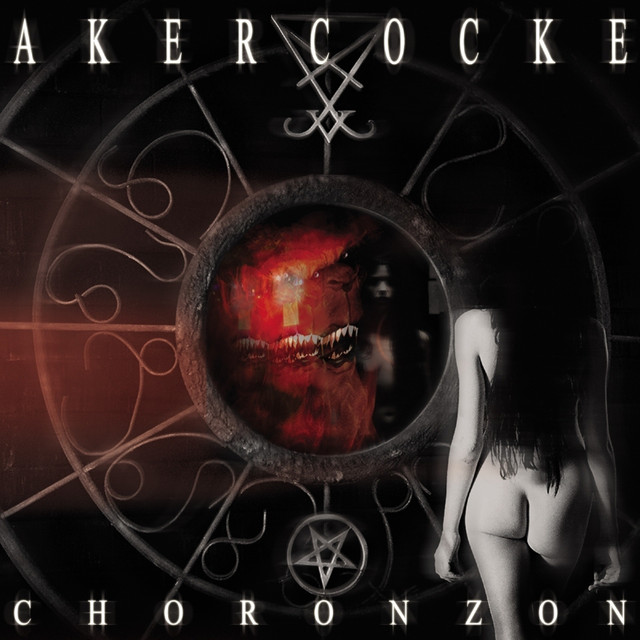
2003
Choronzon
Akercocke
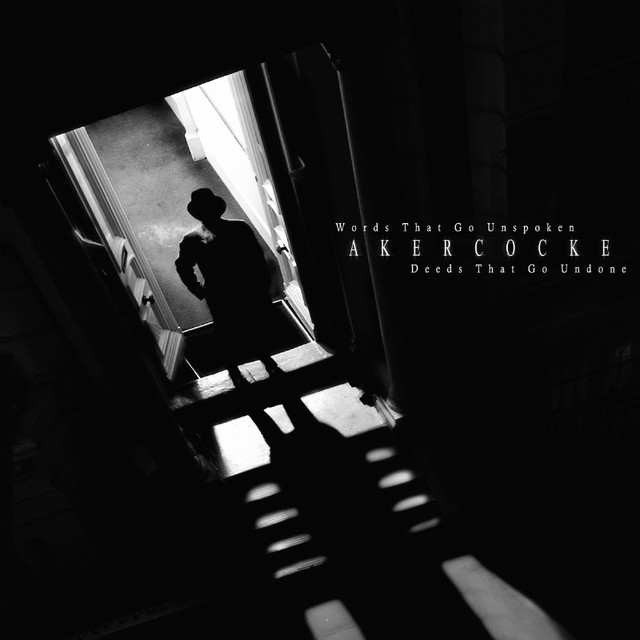
2005
Words That Go Unspoken, Deeds That Go Undone
Akercocke
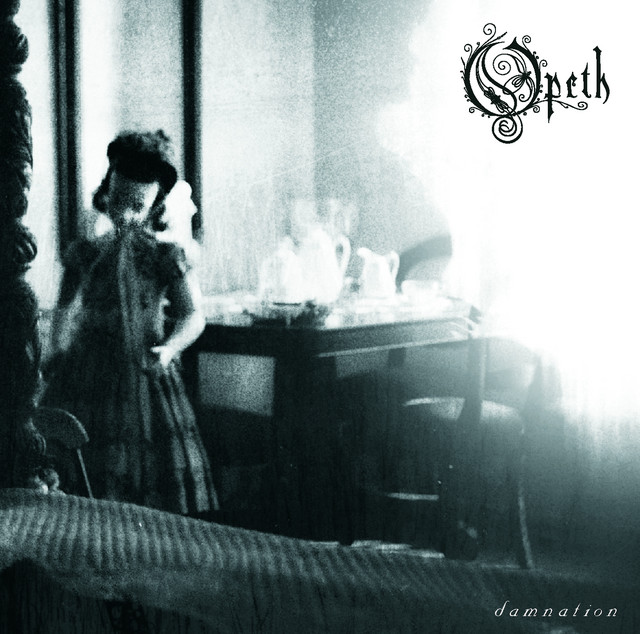
2003
Damnation
Opeth
1999
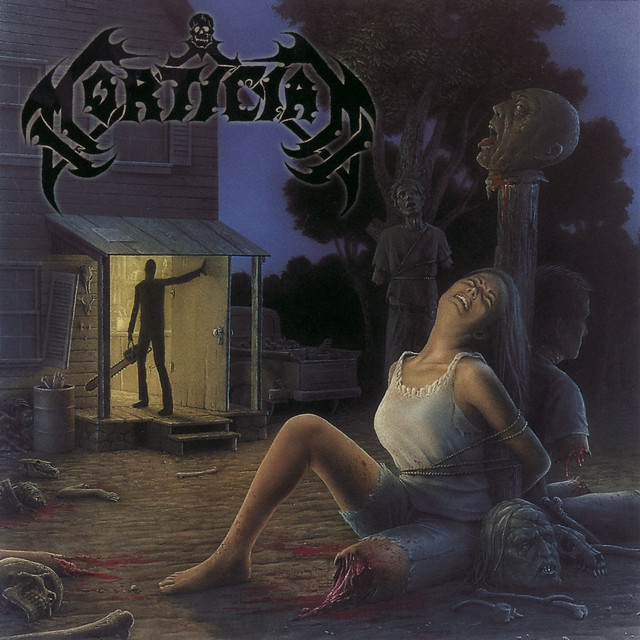
Chainsaw Dismemberment
Mortician
2004
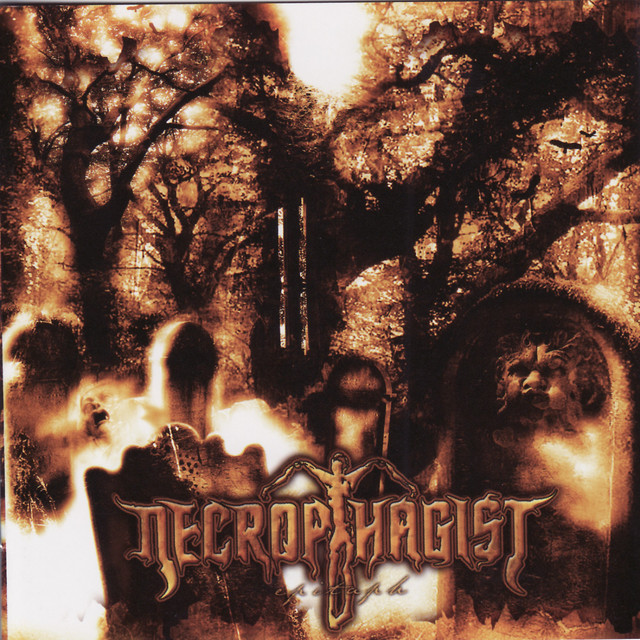
Epitaph
Necrophagist
2004
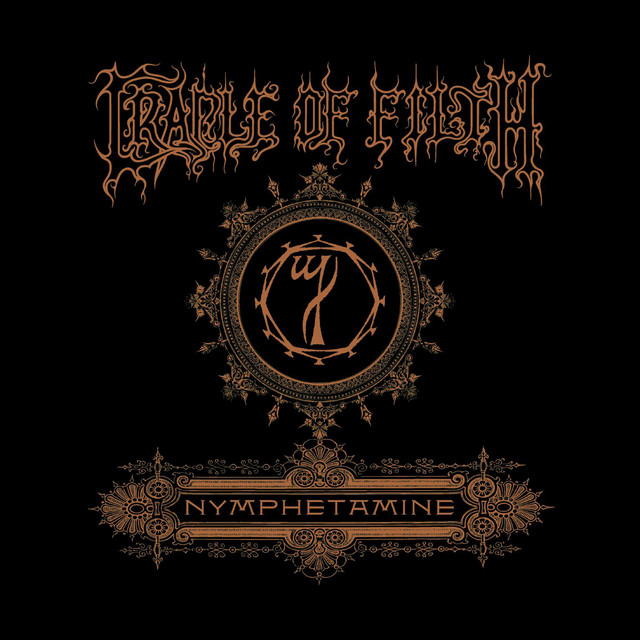
Nymphetamine Special Edition
Cradle Of Filth
1989
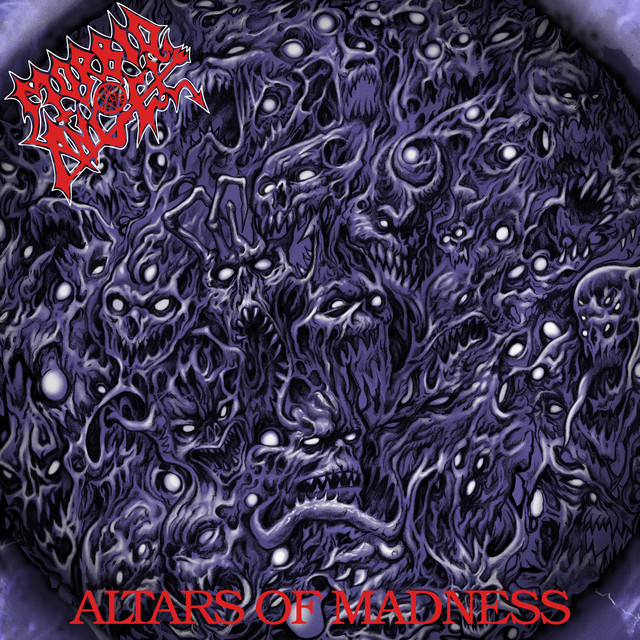
Altars of Madness
Morbid Angel
2000
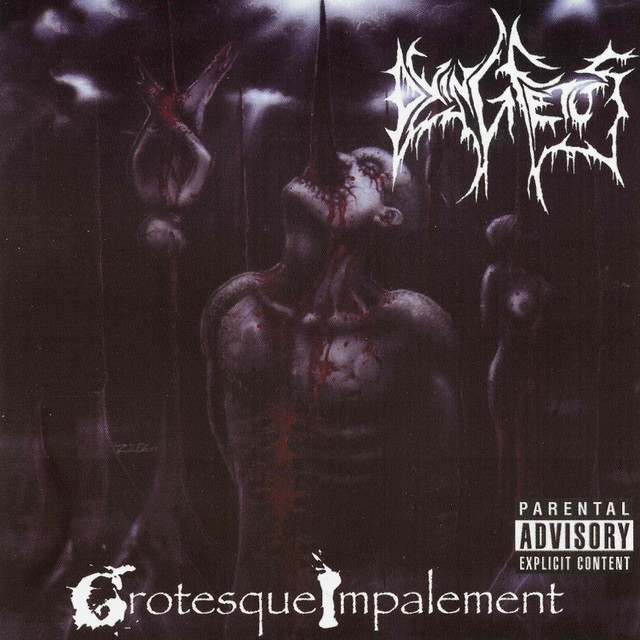
Grotesque Impalement
Dying Fetus
2014
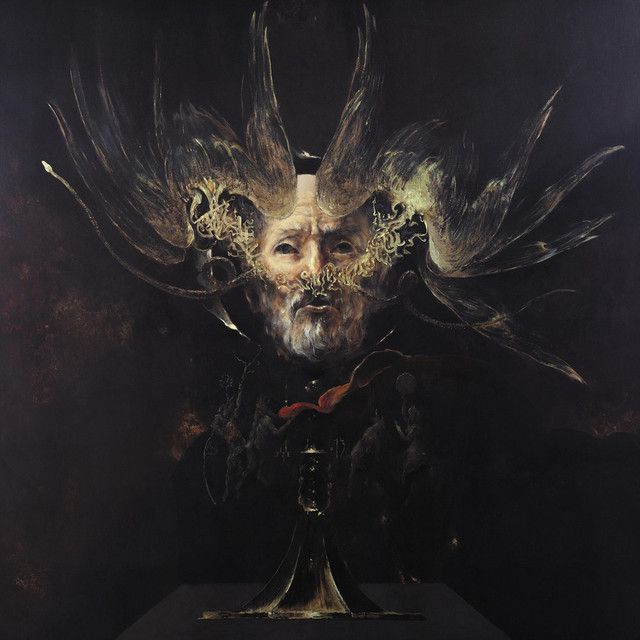
The Satanist
Behemoth
2013
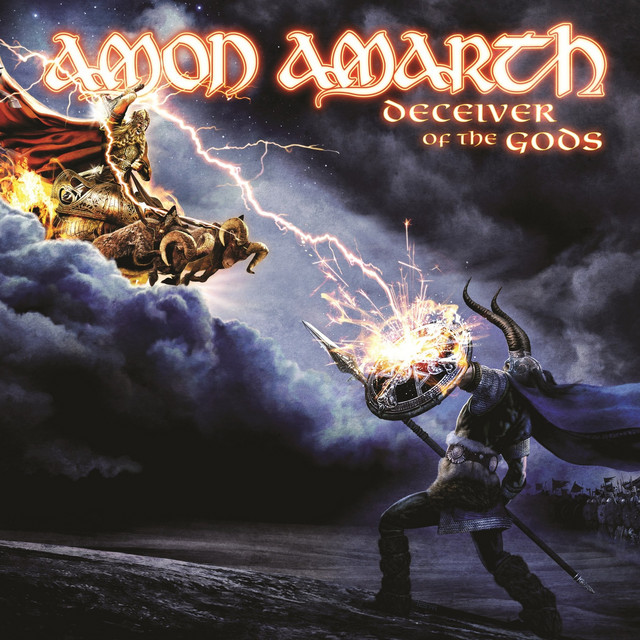
Deceiver of the Gods
Amon Amarth
Download our mobile app
Get the Melodigging app and start digging for new genres on the go
Download on the App Store
Get it on Google Play
© 2026 Melodigging
Give feedback
Legal
Melodding was created as a tribute to
Every Noise at Once
, which inspired us to help curious minds keep digging into music's ever-evolving genres.