Genres
Make Music
Artists
Albums
Challenges
Sign in
Sign in
Albums
By Tehua
Albums
By Tehua
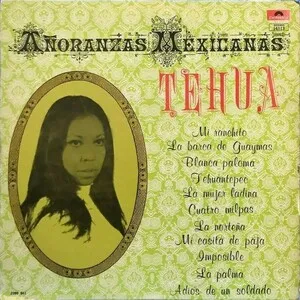
Añoranzas mexicanas
1975
Listen
2
/5
Genres
Latin
Latin (as a genre label) is a broad umbrella used by the recording industry to categorize popular music rooted in Latin America, the Caribbean, and the Iberian world, often characterized by syncopated Afro-diasporic rhythms, dance-forward grooves, and lyrics primarily in Spanish or Portuguese. As a marketplace category that took shape in the mid-20th century United States, it gathers diverse traditions—Afro-Cuban, Brazilian, Mexican, and Caribbean styles—into a shared space. In practice, "Latin" spans everything from big-band mambo and bolero ballads to contemporary pop, rock, hip hop, and dance fusions produced by artists of Latin American heritage.
Discover
Listen
Norteño
Norteño (música norteña) is a Mexican regional style built around the bright timbre of the diatonic button accordion and the driving strum of the bajo sexto. Rooted in borderland dance music, it blends Central European polka, waltz, and schottische rhythms with Mexican corrido storytelling and ranchera songcraft. Characterized by brisk 2/4 polkas and lilting 3/4 waltzes, norteño songs range from narrative corridos about migration and everyday struggles to romantic ballads and party tunes. Traditional ensembles used tololoche (upright bass) and snare, while modern groups often add electric bass, full drum kits, and occasionally tenor sax (in the norteño-sax substyle) or tuba (in norteño-banda). The result is a dance-forward, story-rich music that bridges rural and urban audiences on both sides of the U.S.–Mexico border.
Discover
Listen
Mexican Folk Music
Mexican folk music is a broad family of regional styles that fuse Indigenous, Spanish, and African diasporic elements into song forms meant for dance, celebration, storytelling, and community ritual. Across Mexico’s regions, “sones” (e.g., son jarocho, son huasteco, son calentano) feature strummed small guitars, violins, harps, and percussive zapateado dance on wooden platforms. Northern traditions absorbed 19th‑century European partner dances (polka, waltz, mazurka, schottische), while central‑western ensembles developed the mariachi sound with vihuela and guitarrón (later trumpets). Narrative corridos chronicle heroes, history, and everyday life. Typical rhythmic feel often centers on sesquiáltera (hemiola) interplay between 6/8 and 3/4, bright strumming patterns, call‑and‑response singing, and copla or décima poetic forms. Melodies are largely diatonic, frequently ornamented, and supported by parallel thirds and sixths on strings or violins.
Discover
Listen
Similar albums
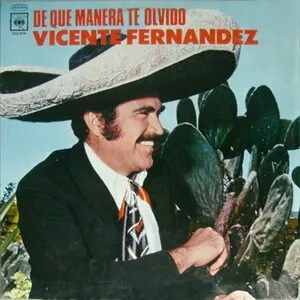
1978
De que manera te olvido
Vicente Fernández
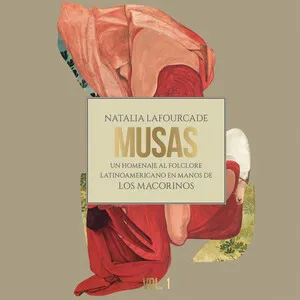
2017
Musas Vol. 1
Natalia Lafourcade
2018
Musas vol. 2
Natalia Lafourcade
1997
La llorona
Lhasa
2020
Un canto por México vol. 1
Natalia Lafourcade
1999
La sandunga
Lila Downs
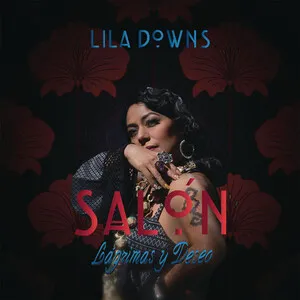
2017
Salón, lágrimas y deseo
Lila Downs
1988
La pistola y el corazón
Los Lobos
2009
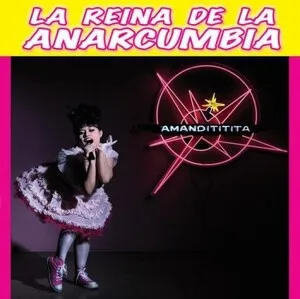
La reina de la anarcumbia
Amandititita
1975
El cancionero popular
Amparo Ochoa
Download our mobile app
Get the Melodigging app and start digging for new genres on the go
Download on the App Store
Get it on Google Play
© 2026 Melodigging
Give feedback
Legal
Melodding was created as a tribute to
Every Noise at Once
, which inspired us to help curious minds keep digging into music's ever-evolving genres.