Genres
Make Music
Artists
Albums
Challenges
Sign in
Sign in
Albums
By Earl Agustin
Albums
By Earl Agustin
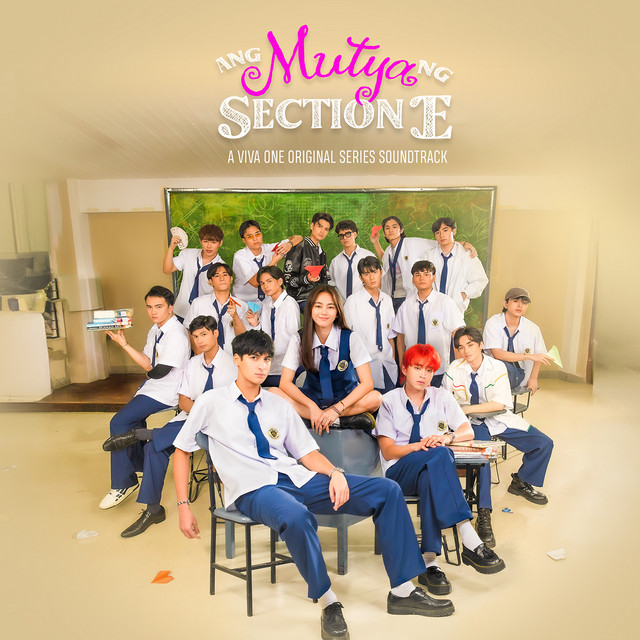
Ang Mutya Ng Section E (A Viva One Original Series Soundtrack)
February 7, 2025
Listen
3
/5
Genres
Budots
Budots is a grassroots Philippine electronic dance music style that emerged from Davao City, known for its hyper-simple, high-energy beats and playful, DIY sound. Tracks are typically built in home setups using basic DAWs like FL Studio, relying on punchy four-on-the-floor kicks, off‑beat claps, buzzy saw leads, and squelchy bass riffs. The music is made to accompany the “budots” dance—loose, humorous freestyle moves popular at barangay (neighborhood) parties, street gatherings, and fiestas. Short vocal exclamations, whistles, sirens, and memes (often in Bisaya/Cebuano) are chopped into the mix, giving the music a street-level, celebratory feel. Culturally, budots reflects a democratized, community-first approach to club music: it spreads through YouTube, Bluetooth sharing, mobile speakers, tricycles, and jeepneys rather than formal club circuits. Its charm lies in its unapologetically raw, catchy, and fun character.
Discover
Listen
Boy Band
Boy band is a pop-oriented vocal-group format built around a small ensemble of young male singers who are marketed as a unit. The music emphasizes instantly memorable hooks, tight vocal harmonies, and polished production, and is typically paired with synchronized choreography and a carefully managed public image. While individual members often specialize (lead vocal, high tenor, baritone, rapper/dancer), the group identity is paramount. Lyrics center on love, longing, friendship, and aspirational themes, delivered through a mix of upbeat dance-pop tracks and soaring ballads. The sound draws heavily from pop and contemporary R&B and has evolved to incorporate hip hop, EDM, and synth-pop. The boy band model became a dominant pop vehicle in the late 1980s and 1990s (U.S. and U.K.) and later globalized via the Japanese idol system and the K-pop trainee model, shaping pop markets across East and Southeast Asia and inspiring analogous scenes worldwide.
Discover
Listen
Opm
OPM (Original Pilipino Music) is the umbrella term for Filipino popular music, encompassing mainstream pop, soft rock, ballads, and band music primarily sung in Filipino languages (especially Tagalog) as well as English. The tag crystallized in the 1970s alongside the Manila Sound movement and the formation of a modern local recording industry that foregrounded Filipino songwriting and artists. Stylistically, OPM blends Western pop/rock and soul with indigenous and Hispanic-influenced Filipino song traditions such as kundiman and harana. Melodies tend to be singable and emotive, harmony is diatonic with occasional modulations, and lyrics often revolve around love, nostalgia, family, and national identity. Across decades, OPM has continually evolved—from disco-tinged 70s pop and 80s power ballads to 90s alternative band culture and today’s polished pop and R&B—while remaining distinctively Filipino in sensibility and storytelling.
Discover
Listen
Pop
Pop is a broad, hook-driven style of popular music designed for wide appeal. It emphasizes memorable melodies, concise song structures, polished vocals, and production intended for radio, charts, and mass media. While pop continually absorbs elements from other styles, its core remains singable choruses, accessible harmonies, and rhythmic clarity. Typical forms include verse–pre-chorus–chorus, frequent use of bridges and middle-eights, and ear-catching intros and outros. Pop is not defined by a single instrumentation. It flexibly incorporates acoustic and electric instruments, drum machines, synthesizers, and increasingly digital production techniques, always in service of the song and the hook.
Discover
Listen
Kundiman
Kundiman is a Filipino art-song tradition centered on love and devotion, typically sung in Tagalog with refined, lyrical melodies. It is most often set in a slow triple meter (commonly 3/4), employing expressive rubato and ornamentation. Harmonically, kundiman pieces characteristically begin in a minor key and resolve to the parallel major in the refrain, mirroring a poetic journey from yearning to hope. While rooted in indigenous Filipino song and serenade practice, the genre absorbed European art-song and Romantic-era harmonic language during Spanish and early American colonial periods. Beyond romantic themes, kundiman historically served as an allegory for patriotic love of the motherland, especially during the late 19th-century Philippine Revolution. Today it is performed by classical singers and traditional vocalists alike, remaining a cornerstone of Filipino musical identity.
Discover
Listen
Harana
Harana is a Filipino tradition of nocturnal courtship serenades performed outside a woman’s window, typically accompanied by a guitar and a small group of male singers. It took shape during the Spanish colonial period and blends Iberian musical elements with local languages and poetic sensibilities. Musically, harana favors gentle tempos, lilting Spanish-derived dance rhythms (especially the habanera and occasional waltz), and simple, elegant harmonies that support expressive, melismatic vocal delivery. Lyrics are written in Tagalog (and other Philippine languages), using highly formal, respectful, and flowery language that extols virtue, modesty, and devotion. While closely related to the more art-song–oriented kundiman, harana is defined by its function as a serenade: a ritualized performance with a call-and-response social script, rather than a concert piece. Its sound world—guitar rasgueado patterns, bass-note–plus–strum accompaniments, and sweet, sentimental melodies—has left a lasting imprint on Philippine love songs and popular ballads.
Discover
Listen
Similar albums
2017
Kathang Isip
Ben&Ben
2020
Ikaw Lang
NOBITA
2025
Libu-Libong Buwan (Uuwian)
Kyle Raphael
2024
Multo
Cup of Joe
2021
Isa lang
Arthur Nery
2022
Saksi Ang Langit
December Avenue
2021
TAKE ALL THE LOVE
Arthur Nery
2019
Umaasa
Calein
2017
Unti-Unti
Up Dharma Down
2022
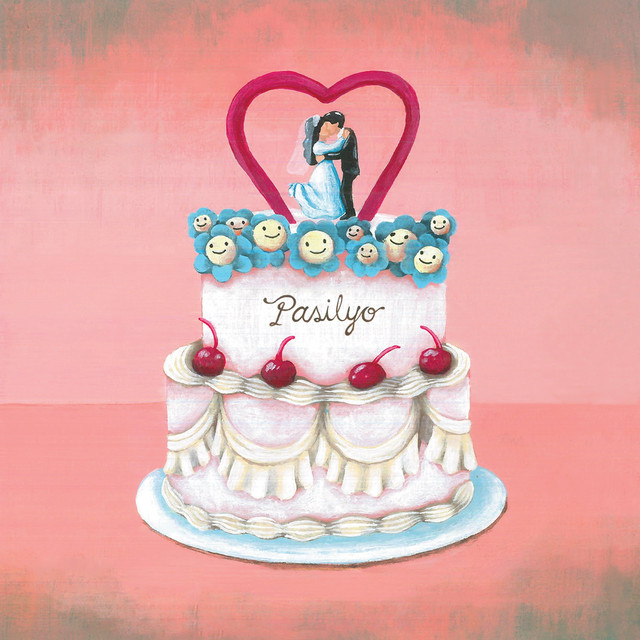
Pasilyo
SunKissed Lola
Download our mobile app
Get the Melodigging app and start digging for new genres on the go
Download on the App Store
Get it on Google Play
© 2026 Melodigging
Give feedback
Legal
Melodding was created as a tribute to
Every Noise at Once
, which inspired us to help curious minds keep digging into music's ever-evolving genres.