Genres
Make Music
Artists
Albums
Challenges
Sign in
Sign in
Albums
By Santaferia
Albums
By Santaferia
Algún Día Volverás
August 29, 2018
Listen
1
/5
Genres
Cumbia Chilena
Cumbia chilena is the Chilean interpretation of cumbia that took root in the early 1960s and became a staple of fiestas, dancehalls, and popular radio. It blends the Colombian cumbia beat with the brass-driven sound of Chile’s tropical orchestras, creating an upbeat, party-ready style with catchy choruses and prominent horn riffs. Classic cumbia chilena is marked by trumpets and saxophones, bright major-key harmonies, güiro and conga patterns, timbales fills, and a driving electric bass “tumbao.” Later waves introduced romantic ballad sensibilities and pop polish, while the 2000s revival (often called “nueva cumbia chilena”) fused cumbia with ska, rock, and urban grooves, keeping the dancefloor spirit while updating textures and themes.
Discover
Listen
Latin
Latin (as a genre label) is a broad umbrella used by the recording industry to categorize popular music rooted in Latin America, the Caribbean, and the Iberian world, often characterized by syncopated Afro-diasporic rhythms, dance-forward grooves, and lyrics primarily in Spanish or Portuguese. As a marketplace category that took shape in the mid-20th century United States, it gathers diverse traditions—Afro-Cuban, Brazilian, Mexican, and Caribbean styles—into a shared space. In practice, "Latin" spans everything from big-band mambo and bolero ballads to contemporary pop, rock, hip hop, and dance fusions produced by artists of Latin American heritage.
Discover
Listen
Mambo
Mambo is a Cuban dance music style that crystallized in the late 1930s from danzón and son montuno, then exploded internationally in the 1940s and 1950s. It is characterized by layered syncopations under the Afro‑Cuban clave, driving bass tumbaos, piano montunos, and powerful antiphonal horn riffs known as moñas or "mambo" sections. In its classic big‑band form, mambo blends Cuban rhythmic vocabulary with jazz and swing arranging, featuring trumpets, trombones, and saxophones over a rhythm section of congas, bongos, timbales, cowbell, bass, and piano. The result is high‑energy, riff‑driven music built for social dancing and floor‑filling excitement.
Discover
Listen
Cumbia
Cumbia is a syncretic dance-music tradition from Colombia’s Caribbean coast that blends African rhythmic heritage, Indigenous (especially gaita flute) melodic practice, and Spanish colonial instrumentation and forms. Traditionally performed in a moderate 2/4 (often felt in 4/4 today), it features interlocking hand-drum parts (tambora, alegre, llamador), guacharaca or maracas for steady texture, and long cane flutes (gaita hembra and gaita macho) carrying call-and-response melodies. As it spread in the 20th century, orchestras and dance bands added accordion, horns, piano, bass, and later electric guitar and synthesizers, creating urban and pan–Latin American variants. Harmonically simple and rhythm-forward, cumbia places groove, ostinati, and vocal refrains at the center, making it both ceremonial in origin and enduringly popular on social dance floors across the Americas.
Discover
Listen
Similar albums
2018
Algún Día Volverás
Santaferia
2008
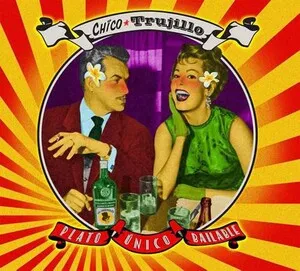
Plato único bailable
Chico Trujillo
2021
Cumbia Casera
Santaferia
2014
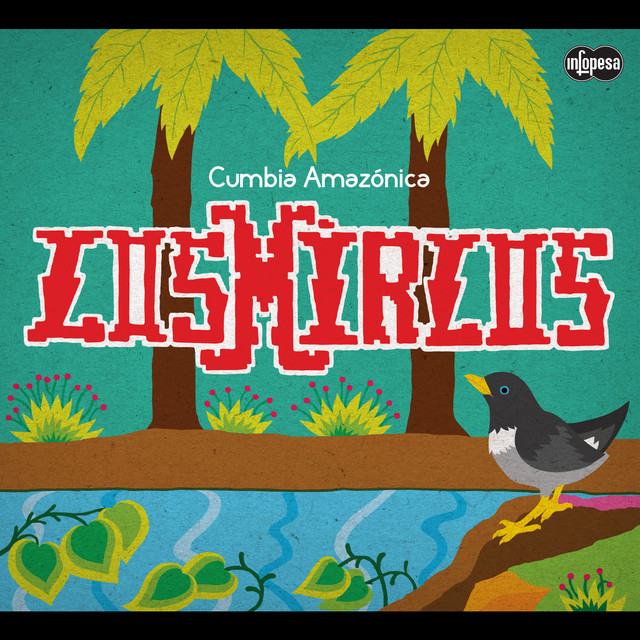
Cumbia Amazonica
Los Mirlos
2014
Cumbias Chichadelicas: Peruvian Psychedelic Chicha
Los Mirlos
1993
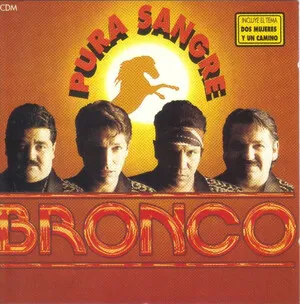
Pura sangre
Bronco
2022
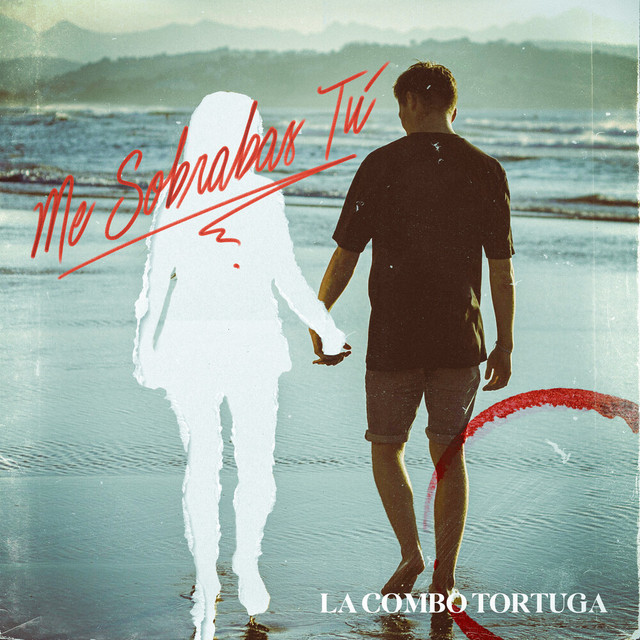
Me Sobrabas Tú
La Combo Tortuga
1975
Baile con Cortijo y Su Combo
Cortijo y Su Combo
2009
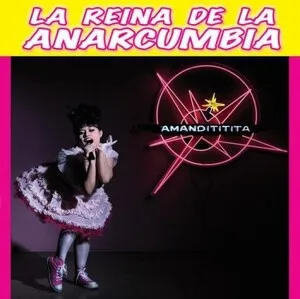
La reina de la anarcumbia
Amandititita
1989
Rei Momo
David Byrne
Download our mobile app
Get the Melodigging app and start digging for new genres on the go
Download on the App Store
Get it on Google Play
© 2026 Melodigging
Give feedback
Legal
Melodding was created as a tribute to
Every Noise at Once
, which inspired us to help curious minds keep digging into music's ever-evolving genres.