Genres
Make Music
Artists
Albums
Challenges
Sign in
Sign in
Albums
By Seaweed
Albums
By Seaweed
Actions and Indications
January 12, 1999
Listen
1
/5
Genres
Underground Grunge
Underground grunge is the raw, unvarnished form of the Pacific Northwest grunge movement before major-label attention and radio polish reshaped it in the early 1990s. Centered on small venues, independent labels, and a DIY tape-and-zine network, it emphasized heavy, detuned riffs; noisy, overdriven textures; and a deliberately unglossed, live-in-the-room production aesthetic. Where mainstream grunge fused angst with catchy hooks, the underground strain leaned harder into punk’s urgency and noise rock’s abrasion, while dragging tempos and timbres toward doom-tinged weight. Lyrics typically explored alienation, economic malaise, and gallows humor, delivered with a barked, slurred, or deadpan intensity that matched the music’s cathartic churn.
Discover
Listen
Grunge
Grunge is a guitar-driven subgenre of alternative rock that emerged in the mid-to-late 1980s in Seattle, United States. It fuses the raw aggression and DIY ethos of punk with the weight and riff-centric power of hard rock and heavy metal. Characterized by thick, heavily distorted guitars, dynamic quiet–loud song structures, and a visceral, unpolished production aesthetic, grunge foregrounds themes of alienation, apathy, social disaffection, and personal struggle. Vocals often shift between subdued, introspective verses and cathartic, shouted or soaring choruses, while lyrics tend toward confessional and existential tones. Beyond sound, grunge represented a cultural stance: anti-gloss, anti-virtuosity, and anti-commercial posturing—even as it became a global commercial force in the early 1990s.
Discover
Listen
Punk
Punk is a fast, abrasive, and minimalist form of rock music built around short songs, stripped-down instrumentation, and confrontational, anti-establishment lyrics. It emphasizes DIY ethics, raw energy, and immediacy over virtuosity, often featuring distorted guitars, shouted or sneered vocals, and simple, catchy melodies. Typical songs run 1–3 minutes, sit around 140–200 BPM, use power chords and basic progressions (often I–IV–V), and favor live, unpolished production. Beyond sound, punk is a cultural movement encompassing zines, independent labels, political activism, and a fashion vocabulary of ripped clothes, leather, and safety pins.
Discover
Listen
Rock
Rock is a broad family of popular music centered on amplified instruments, a strong backbeat, and song forms that foreground riffs, choruses, and anthemic hooks. Emerging from mid‑20th‑century American styles like rhythm & blues, country, and gospel-inflected rock and roll, rock quickly expanded in scope—absorbing folk, blues, and psychedelic ideas—while shaping global youth culture. Core sonic markers include electric guitar (often overdriven), electric bass, drum kit emphasizing beats 2 and 4, and emotive lead vocals. Rock songs commonly use verse–chorus structures, blues-derived harmony, and memorable melodic motifs, ranging from intimate ballads to high‑energy, stadium‑sized performances.
Discover
Listen
Similar albums
1993
Hater
Hater
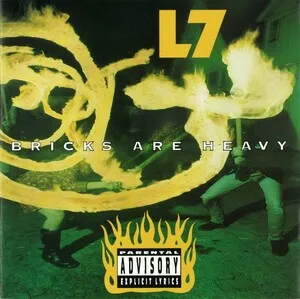
1992
Bricks Are Heavy
L7
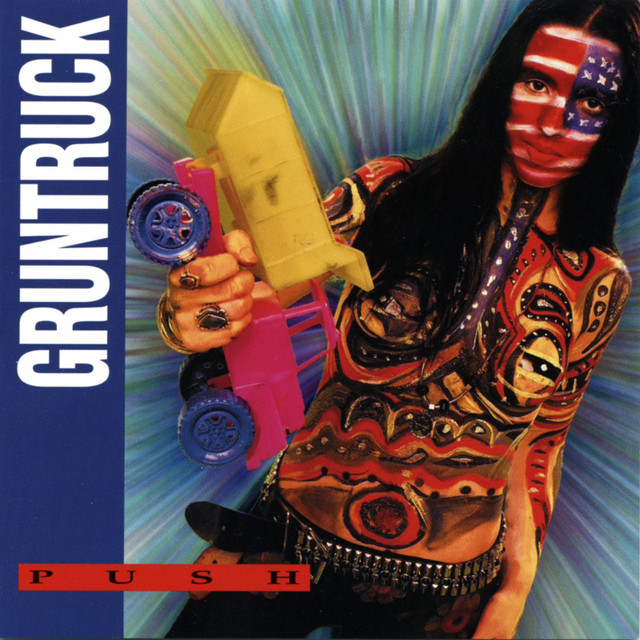
1992
Push
Gruntruck
1992
Sick'em
7 Year Bitch
1988
L7
L7
1992
Binge And Purge
Lunachicks
1992
Weak
Seaweed
2006
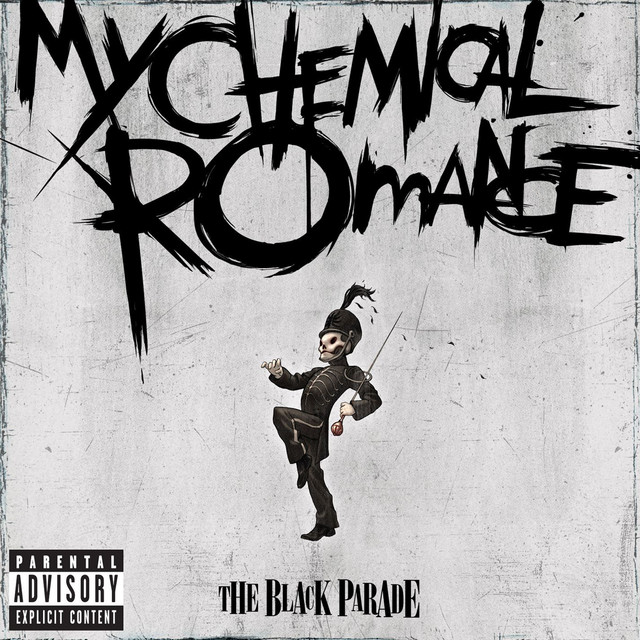
The Black Parade
My Chemical Romance
1991
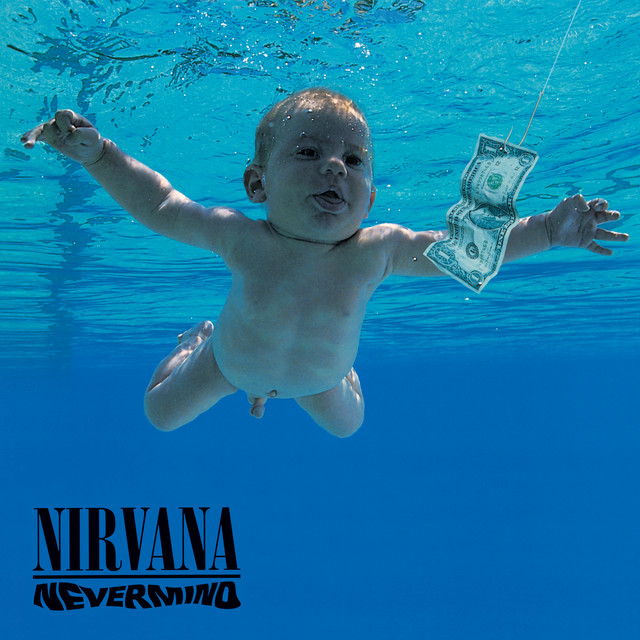
Nevermind (Remastered)
Nirvana
1991
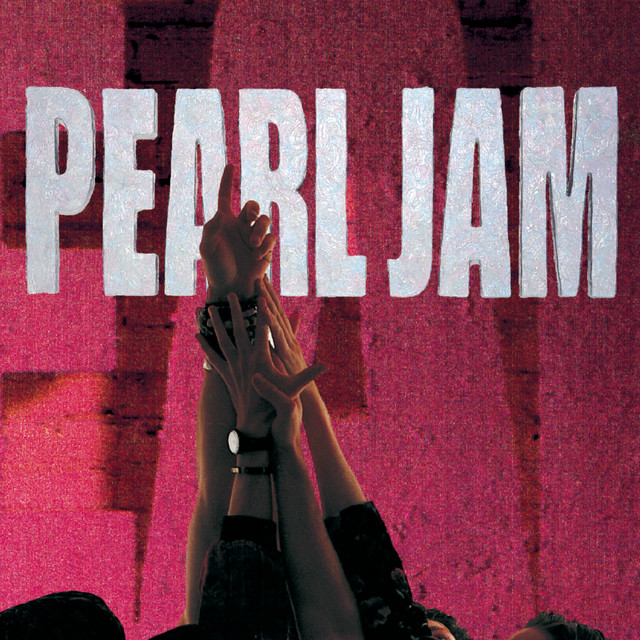
Ten
Pearl Jam
Download our mobile app
Get the Melodigging app and start digging for new genres on the go
Download on the App Store
Get it on Google Play
© 2026 Melodigging
Give feedback
Legal
Melodding was created as a tribute to
Every Noise at Once
, which inspired us to help curious minds keep digging into music's ever-evolving genres.