Genres
Make Music
Artists
Albums
Challenges
Sign in
Sign in
Albums
By Al Wasmi
Albums
By Al Wasmi
شيلات الوسمي
January 1, 2017
Listen
1
/5
Genres
Shilla
Shilla (often written as sheila or sheilat in transliteration) is a Gulf Arab vocal-chant style that emphasizes the human voice, poetic delivery, and percussive drive over melodic instruments. Traditionally performed by male soloists or small choruses, it relies on handclaps and frame drums (daff/tabl) and frequently abstains from melodic instruments altogether. Texts are drawn from Nabati and tribal poetry, with themes that include pride, praise, weddings, communal identity, and occasionally religious or patriotic sentiment. Melodically, performers move within familiar Arabic maqam contours (especially Bayati, Hijaz, and Rast), while rhythmically they draw on Najdi and broader Khaleeji grooves in measured, chant-like patterns. In the 2000s and 2010s, Shilla evolved alongside digital platforms, adopting studio layering, crowd-like overdubs, autotune as a vocal color, and sub-bass reinforcement, all while preserving its core identity as percussion-and-voice-centered Gulf chant.
Discover
Listen
Bedouin Music
Bedouin music is the traditional music of nomadic Arab tribes of the Arabian Peninsula and adjoining deserts of the Levant and Sinai. It is a poetry-centered, orally transmitted practice that accompanies daily life—herding, travel, celebrations, and communal dances—and expresses themes of landscape, lineage, honor, love, and longing. Musically it is predominantly monophonic or lightly heterophonic, built on Arabic maqām melodic modes (such as Ḥijāz, Rāst, and Bayāt) with rich melisma and microtonal inflection. Vocal performance alternates between solo declamation and call-and-response choruses, often supported by the spike fiddle rabābah, frame drums (daff/ṭār), small barrel drums, and, in some regions, the oud and reed pipes (mijwīz, arghūl, ney). Signature forms include chanted camel-driver songs (taghrūda), male chorus-and-drum line dances like ayyālah, and Najdi/Gulf samrī songs. While localized across many tribes and territories, Bedouin music shares a common aesthetic of direct, emotive vocal delivery, tightly patterned percussion, and poetic performance (notably in Nabati verse) that pre-dates Islam yet has coexisted with Islamic devotional sound practices for centuries.
Discover
Listen
Nasheed
Nasheed is a form of Islamic devotional song centered on the human voice and text. Traditionally performed a cappella or with minimal percussion (most commonly the frame drum/duff), it conveys praise of God, love of the Prophet Muhammad, ethical instruction, and communal or spiritual reflection. Stylistically, nasheed draws on melodic contours associated with Middle Eastern maqām traditions and favors clear diction, call-and-response refrains, unison choruses, and melismatic ornamentation. While a conservative practice discourages melodic instruments, a contemporary current permits fuller pop arrangements, resulting in a spectrum from austere, chant-like performances to polished, radio-friendly productions. Nasheeds are sung in many languages—Arabic, Urdu, English, Turkish, Malay/Indonesian, and others—allowing the genre to function as a global bridge between traditional religiosity and modern musical idioms.
Discover
Listen
Similar albums
2012
A Musical Anthology of the Arabian Peninsula, Vol. 1: Sung Poetry of Beduins
2018
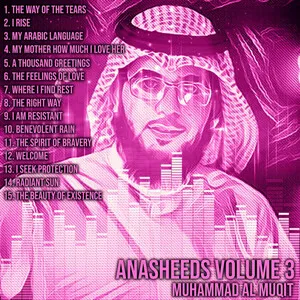
Anasheeds, Vol. 3
Muhammad Al Muqit
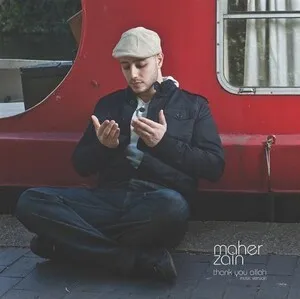
2009
Thank You Allah (Turkish Version)
Maher Zain
2012
Forgive Me
Maher Zain
2022
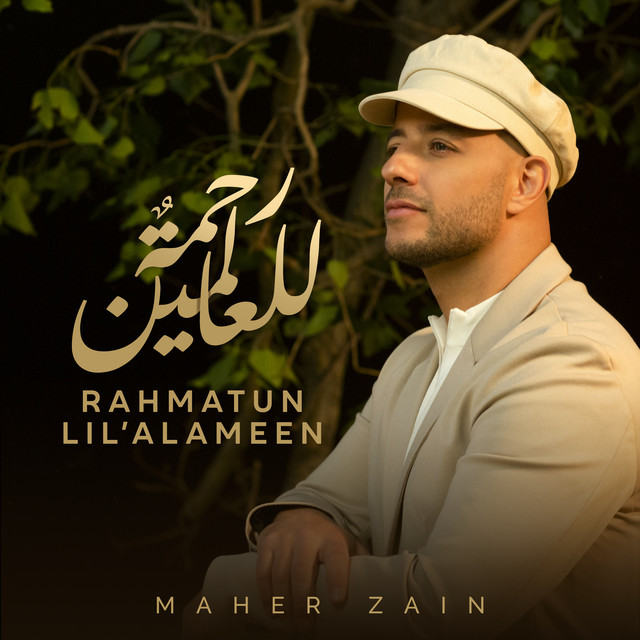
Rahmatun Lil’Alameen
Maher Zain
2022
Rahmatun Lil'Alameen
Maher Zain
2020
Surah Ar-Rahman (Be Heaven)
Omar Hisham
2009
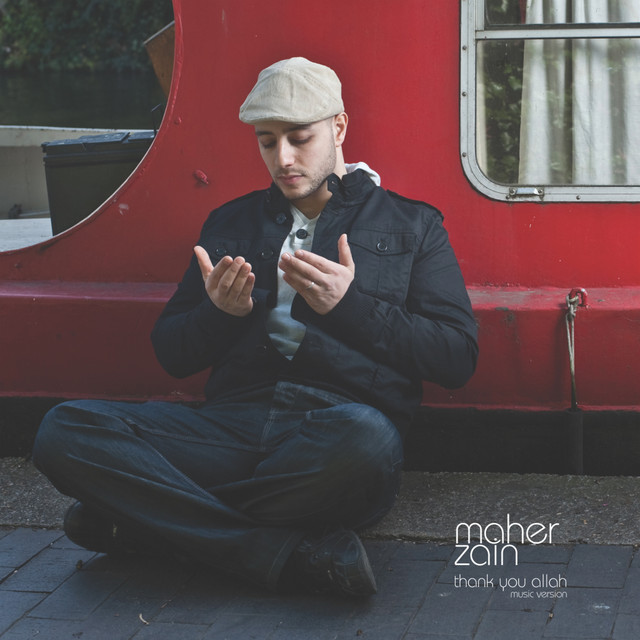
Thank You Allah
Maher Zain
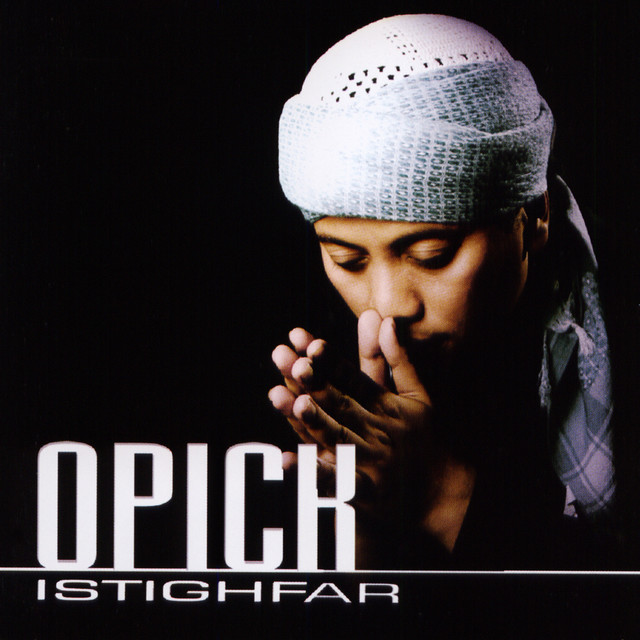
2005
Istighfar
Opick
2021
Morning dua and remembrance
Omar Hisham
Download our mobile app
Get the Melodigging app and start digging for new genres on the go
Download on the App Store
Get it on Google Play
© 2026 Melodigging
Give feedback
Legal
Melodding was created as a tribute to
Every Noise at Once
, which inspired us to help curious minds keep digging into music's ever-evolving genres.