Gagauz folk music is the traditional music of the Gagauz, a Turkic-speaking, predominantly Orthodox Christian people centered in the autonomous region of Gagauzia in southern Moldova, with communities in Ukraine, Bulgaria, and Romania.
It blends Oghuz-Turkic melodic thinking and modal flavors (often reminiscent of Turkish makam such as Rast, Hicaz, and Uşşak) with Balkan rhythmic vitality and Moldovan/Romanian village band timbres. Typical textures are heterophonic and ornamented, with solo voice supported by a small group that trails or embellishes the melody. Dance tunes favor lively asymmetric meters (7/8, 9/8, 11/8) alongside duple meters for marches and processions. The repertoire spans wedding and circle dances (hora/horo types), cradle songs, laments, work songs, narrative/epic pieces, and seasonal ritual songs.
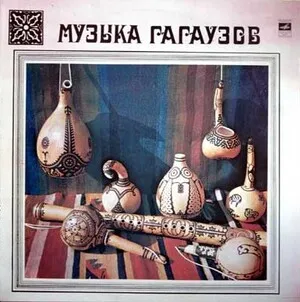
Instrumentation reflects the region’s crossroads: violin, accordion, flute/kaval, clarinet, cobza or saz-like lutes, cimbalom/țambal, frame drum/daire, davul, and occasionally zurna or local bagpipe (cimpoi). Lyrics are typically in the Gagauz language and revolve around family life, love, pastoral imagery, harvest and seasonal cycles, and Christian feast days, all carried by expressive, ornamented singing.